
Specializations for Innovation in Mechanical Engineering
mechanical engineering encompasses multiple specializations, including machine design, thermodynamics, fluid dynamics, mechanics of materials, automation, robotics, aerospace engineering, production and automotive. These areas focus on designing, analyzing and improving mechanical systems and components, from machinery to vehicles and industrial processes.
Each specialization has applications in various industries and contributes to technological advancement and innovation.

What does an industrial mechanical engineer do?
An industrial mechanical engineer is a professional who combines knowledge of mechanical engineering and industrial engineering to address challenges related to optimizing manufacturing processes, production efficiency and the management of industrial systems. Some of the responsibilities and tasks that an industrial mechanical engineer might carry out include:
Process Design and Optimization: Develop and improve production processes, considering factors such as efficiency, product quality and worker safety.
Supply Chain Management: Coordinate logistics, material procurement and product distribution to optimize supply chain flow.
Production Management: Supervise manufacturing plant operations, ensuring that resources are used efficiently and that products are produced to quality standards.
Technology Implementation: Evaluate and apply new technologies and machinery in the production process to improve efficiency and quality.
Production Line Design: Plan and design production systems, including machinery layout and workflow to maximize productivity.
Data Analysis and Continuous Improvement: Use data to identify areas for improvement in production and apply continuous improvement principles to optimize processes.
Quality Management: Implement quality control standards to ensure that products meet required specifications and standards.
Cost Optimization: Identify ways to reduce production costs, minimizing waste and optimizing the use of resources.
Ergonomic Design: Consider worker ergonomics and safety when designing workstations and equipment.
Project Management: Lead improvement and development projects, coordinating multidisciplinary teams to achieve specific objectives.
An industrial mechanical engineer is responsible for integrating mechanical engineering principles with industrial optimization strategies to improve production, efficiency and quality in manufacturing and production environments. Their focus ranges from process design to project management and strategic decision-making to achieve successful results in industry.

What is mechanical and metallurgy engineering?
mechanical and metallurgy engineering
mechanical and metallurgy engineering is a discipline that combines the study of mechanical engineering with metallurgy processes, which focuses on metals and their transformation.
Engineers in this area design and create mechanical systems and components, while applying knowledge about metallic materials and their properties. This ranges from product conception and design to the manufacturing and analysis of metallic materials to ensure quality and performance. In essence, it is a comprehensive approach to developing mechanical and metallurgical solutions for a variety of industrial and technological applications.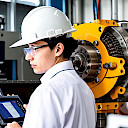
What is mechanical and mechatronics engineering?
mechanical and mechatronics engineering
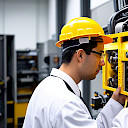
mechanical and mechatronics engineering is a field that combines traditional mechanical engineering with mechatronics technology, which integrates mechanics, electronics and computing into automated systems.
Engineers in this discipline design and create mechanical systems while incorporating electronic components and automated control systems. This involves everything from machinery design to programming robotic devices and automation systems, enabling the creation of interdisciplinary systems that encompass both mechanical and electronic aspects to achieve innovative solutions in a wide range of industrial and technological applications.
What is mechanical and electrical engineering?
Mechanical and electrical engineering
The mechanical and electrical engineering is a discipline that combines the study of mechanical engineering with the principles of electrical engineering. Engineers in this area focus on designing and developing systems that involve both mechanical components and electrical systems.
This ranges from creating machines and devices that incorporate electrical elements to automating and controlling systems through the integration of mechanical and electrical technologies. In short, it is a fusion of knowledge to create innovative and versatile solutions in a variety of industrial and technological applications.

What is mechanical and automotive engineering?
Mechanical and automotive engineering
The mechanical and automotive engineering is a field that focuses on applying mechanical engineering principles to the design, development, and manufacturing of motor vehicles, such as cars, trucks, and motorcycles.
Engineers in this area work on designing engines, transmission systems, chassis, suspension systems, brakes, and other components related to the automotive industry. In addition, they also work on improving vehicle efficiency and safety, as well as implementing innovative technologies in the automotive industry. In essence, it is the application of mechanical engineering in the specific context of manufacturing and improving vehicles.

What is mechanical and metallurgical engineering?
Mechanical and metallurgical engineering
The mechanical and metallurgical engineering combines mechanical engineering with the study of metallic materials and their properties. Engineers in this discipline design mechanical systems and components while applying knowledge about the selection, processing and behavior of metals.
This involves everything from machinery design to the optimization of metallic materials to ensure quality, strength and durability in various industrial and technological applications. In short, it is a fusion of mechanical engineering and materials science to create robust mechanical solutions adapted to metallic materials.

What is mechanical and electromechanical engineering?
Mechanical and electromechanical engineering
The mechanical and electromechanical engineering combines mechanical engineering with electromechanics, which involves the interaction between mechanical systems and electrical components. Engineers in this field design systems and devices that incorporate both mechanical and electrical elements, such as automation systems, electronically controlled machinery and motion control systems.
This ranges from product creation to the programming and control of hybrid systems, enabling the creation of versatile technical solutions in a wide range of industrial and technological applications.

What is a maintenance engineer?
Maintenance engineer
A maintenance engineer is a professional who is responsible for planning, supervising and executing activities related to the maintenance and repair of equipment, systems and machinery in different industries. The main objective of a maintenance engineer is to ensure that an organization's physical assets, such as industrial machinery, production equipment, electrical systems, facilities and others, function efficiently, safely and reliably.

The responsibilities of a maintenance engineer may include:
Maintenance Planning: Create preventive and predictive maintenance programs to prevent failures and minimize unplanned downtime.
Maintenance Task Supervision: Coordinate and supervise the work of maintenance staff, ensuring that tasks are performed effectively and within the expected timeframes.
Problem Diagnosis: Identify and diagnose technical and mechanical problems in equipment and systems to determine the root cause of failures.
Repair and Corrective Maintenance: Perform repairs and maintenance when failures occur, restoring equipment to its normal operation.
Process Optimization: Evaluate and improve maintenance procedures to increase efficiency and reduce costs.
Inventory Management: Manage the inventory of spare parts and materials needed for maintenance and repair.
Implementation of Improvements: Identify opportunities to improve equipment reliability and performance through modifications and upgrades.
Safety and Compliance: Ensure that maintenance activities comply with applicable safety standards and regulations.
Coordination with Other Departments: Collaborate with other departments, such as production, engineering, and procurement, to ensure that equipment is in good working order.
Documentation and Record-Keeping: Keep accurate records of maintenance activities, problem reports, and implemented solutions.
Maintenance engineers can work in a variety of environments, such as manufacturing plants, industrial facilities, hospitals, energy companies, transportation companies, and more. Their role is crucial to ensuring the availability and efficiency of physical assets, which directly contributes to the productivity and overall success of an organization.

What does a Production Mechanic do?
Production Mechanic
A production mechanic is a professional responsible for maintaining and repairing the machinery and equipment used in industrial production processes. Their main function is to ensure that machines and systems are in good working order to guarantee efficient, high-quality production.
The responsibilities of a production mechanic may vary depending on the industry and the organization, but generally include:
Preventive Maintenance: Perform regular inspections and planned maintenance on machinery and equipment to prevent failures and ensure continuous operation.
Repairs and Corrective Maintenance: Diagnose and troubleshoot mechanical and electrical problems when production failures occur, minimizing downtime.
Adjustments and Calibrations: Perform necessary adjustments and calibrations on equipment to ensure it operates within technical specifications.
Parts Replacement: Replace worn or damaged parts in machines to maintain their efficiency and precision.
Equipment Optimization: Identify opportunities to improve equipment performance through modifications and adjustments.
Troubleshooting: Analyze recurring problems and propose solutions to prevent future failures.
Safety and Compliance: Ensure that equipment meets applicable safety standards and regulations.
Collaboration with the Production Team: Work closely with production operators and other departments to quickly address any issues and maintain smooth production.
Activity Records: Maintain accurate records of maintenance activities, including actions taken and parts replaced.
Training and Development: Stay up to date with new maintenance technologies and techniques, and provide training to other team members if necessary.
Inventory Management: Manage the inventory of spare parts and materials needed for maintenance and repair.
A production mechanic is essential to maintaining the efficiency and reliability of equipment used in industrial production. Their work contributes directly to product quality and to the continuity of manufacturing processes.
What does a Mechanical Design Engineer do?
Mechanical Design Engineer
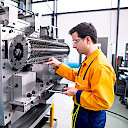
A mechanical design engineer is a professional who specializes in creating and developing concepts, drawings, and models of mechanical components and systems. Their work is essential in creating efficient, safe, and functional products and machinery. The responsibilities of a mechanical design engineer can vary by industry and project, but generally include:
Initial Conceptualization and Design: Start by generating ideas and concepts to meet the specific needs of a mechanical product or system.
Use of Design Tools: Use computer-aided design (CAD) software to create 3D models and detailed plans of components and systems.
Feasibility Analysis: Evaluate the technical and economic viability of the proposed designs.
Material Selection: Choose the appropriate materials that meet the design's performance and durability requirements.
Calculations and Simulations: Perform engineering analysis, such as strength calculations and behavior simulations, to ensure that the design works as intended.
Tolerance and Fit Design: Define tolerances and fits to ensure that parts assemble and function correctly.
Multidisciplinary Collaboration: Work as a team with engineers from other disciplines, such as electrical and software, to ensure proper integration of all parts of the system.
Design Optimization: Identify opportunities to improve the efficiency, safety, and performance of the design through iterations and refinements.
Technical Documentation: Create detailed documentation, such as technical specifications and user manuals, to communicate design details.
Regulatory Compliance: Ensure that the design complies with applicable industry regulations and standards.
Prototyping and Testing: Work on building prototypes and perform tests to validate and verify the design.
Collaboration with Suppliers: Work with suppliers to ensure the availability of the components and materials needed for production.
A mechanical design engineer plays a fundamental role in the creation of mechanical products and systems. Their work involves combining creativity and technical skills to transform concepts into detailed and functional designs that can be manufactured and used in various industries, from automotive to electronics and beyond.
Employment in Mechanical Engineering
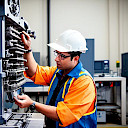
Employment in mechanical engineering, If you are looking for information about what a mechanical engineer's job is like in terms of tasks and responsibilities, here is a more detailed description: Mechanical engineers are professionals trained in the design, analysis, and maintenance of mechanical systems and components. Their work covers various areas and may vary depending on the industry and the type of company they work for.
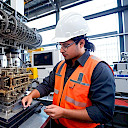
Mechanical Engineer Jobs
Mechanical engineers have a wide range of job opportunities in various industries. They can work as mechanical design engineers, creating innovative components and systems using computer-aided design (CAD) tools. Another path is to become process engineers, focused on optimizing production and improving efficiency in industrial plants.
In addition, mechanical engineers can play key roles in quality control, ensuring that products meet the required standards. They are also involved in industrial automation, designing systems that make automated production and robot-controlled machinery possible. Other fields include energy, where they work on the design and maintenance of power generation and distribution systems.
Vehicles and robotics are exciting areas, as mechanical engineers can contribute to vehicle design from cars to aircraft, as well as programming industrial robots for specific tasks. In research and development, they can innovate and create new products, while in technical sales, they offer technical advice and promote engineering solutions.
Industrial projects are also an option, leading and managing from planning to execution. In addition, mechanical engineers can specialize in analysis and simulation, evaluating the performance and strength of components. Other roles include selecting optimal materials for specific applications and investigating accidents to prevent future failures.
Mechanical engineers play a crucial role in multiple fields, contributing to the design, production, quality and advancement of technology across a variety of industries.