
What Are the Benefits of Physiotherapy?
Benefits of kinesiology
The kinesiology is a discipline that combines knowledge of human anatomy with movement techniques and physical therapy. Its goal is to understand, evaluate, and treat imbalances in the body's biomechanics and function. Here are some of the benefits of kinesiology:
Improved Movement and Body Function
One of the main goals of kinesiology is to improve the body's function and movement. This is especially useful for people who have suffered injuries or who are undergoing rehabilitation.
Pain Relief
Kinesiology offers several techniques and methods for pain management, especially for chronic musculoskeletal pain. This can reduce dependence on pain medications.
Injury Prevention
By better understanding the body's mechanics, kinesiology can help prevent future injuries. This is particularly useful for athletes and people with physically demanding jobs.
Improved Athletic Performance
Kinesiology is used to improve athletic performance by optimizing movement and muscle function. It can help athletes understand how their bodies work and how they can safely improve their performance.
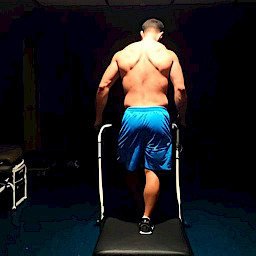
Mental Health
Improved movement and reduced physical pain can have positive effects on mental health. A healthier body can lead to a healthier mind, reducing stress levels and improving quality of life.
Adaptability and Personalization
Kinesiology can be adapted to each person's individual needs. This makes it applicable to a wide range of people, from children to the elderly, and from sedentary people to elite athletes.
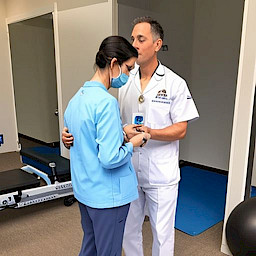
Improved Posture and Balance
Kinesiology also focuses on improving posture and balance, which is beneficial not only for spinal health, but also for preventing falls and other accidents.
Education and Self-Management
Through education and self-awareness, kinesiology empowers people to better understand their bodies and take proactive steps for their well-being.
Kinesiology offers a wide range of benefits, from injury treatment and pain management to improved physical performance and general well-being. Its comprehensive approach and adaptability make it an attractive option for a variety of people and needs.

Is it the same as physical therapy?
Differences from physical therapy
Although kinesiology and physical therapy share similarities in their approach to physical well-being and rehabilitation, they are not the same. Here are some key differences between the two disciplines:
Scope of Study:
Kinesiology: This discipline focuses on the study of human movement from a scientific perspective. It can cover areas such as biomechanics, exercise physiology, sports psychology, and sports nutrition.
Physical Therapy: This medical discipline focuses on the diagnosis and treatment of diseases and injuries of the musculoskeletal system. Physical therapy uses a wide range of techniques to improve mobility and function, and to reduce pain.
Approach:
Kinesiology: Its approach is broader and can include improving sports performance, rehabilitation, injury prevention, and general well-being.
Physical Therapy: It generally has a more clinical approach, centered on restoring function and mobility and pain relief, often after an injury or surgery.
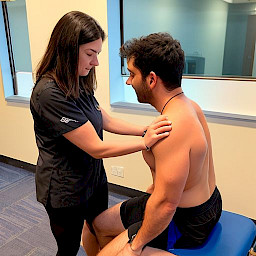
Professional Training:
Kinesiologists: They generally have an academic background in exercise science and its practical application.
Physical Therapists: They are healthcare professionals with university training who are qualified to diagnose and treat medical conditions related to the musculoskeletal system.
Tools and Techniques:
Kinesiology: It may employ fitness tests, biomechanical assessments, strength and endurance training, and lifestyle and nutrition education.
Physiotherapy: Uses a variety of techniques, such as manual therapy, therapeutic exercises, electrotherapy and other modalities to treat and rehabilitate injuries.
Regulation:
Physiotherapy: It is generally a more regulated discipline and, in many countries, it is considered a medical career.
Kinesiology: Depending on the country, the regulation of kinesiology may vary, and in some places it might not be regulated in the same way as physiotherapy.
Both disciplines can work in a complementary way. For example, a physiotherapist could refer a patient to a kinesiologist for a specific exercise program once the initial medical problem has been addressed. Similarly, a kinesiologist could refer a person to a physiotherapist if they detect a problem that requires a more specialized medical approach.

Holistic Kinesiology:
Holistic kinesiology is an approach that considers the individual as an integrated system of mind, body and spirit. It uses a variety of techniques, such as muscle testing, to identify imbalances in the body and offers strategies to restore overall well-being. It addresses physical as well as emotional, mental and spiritual aspects.
Musculoskeletal Kinesiology:
This branch of kinesiology focuses specifically on the musculoskeletal system. Its main objective is the diagnosis, treatment and prevention of injuries and disorders related to muscles, bones and joints. It uses techniques such as biomechanics to understand and improve the body's movement and function.
Sports Kinesiology:
Sports kinesiology focuses on applying kinesiology principles to the world of sports. Its goal is to optimize athletic performance through the analysis of movement mechanics, nutrition, sports psychology and training techniques. It is especially useful for athletes seeking to improve their performance and prevent injuries.

Respiratory Kinesiology in Adults and Children:
This specialization in kinesiology focuses on improving respiratory function in adults and children. It uses exercise techniques and respiratory therapy to treat and prevent lung and respiratory diseases. It is useful in a variety of settings, from preventive care to rehabilitation after chronic illnesses such as asthma or chronic obstructive pulmonary disease (COPD).
Each of these branches of kinesiology has a specific focus and applications, but all seek to improve quality of life and well-being through a better understanding and optimization of movement and body function.