What to study if I like music
If music takes up an important part of your life, it doesn't mean you necessarily have to become a singer or instrumentalist. You can work creating, performing, producing, teaching, researching sound, developing music technology or managing projects within the industry.

The NoSeQueEstudiar Career Test can help you connect that interest in music with other characteristics of your profile. If you also enjoy creating, working with technology, teaching, organizing or communicating, very different professional paths may come up.
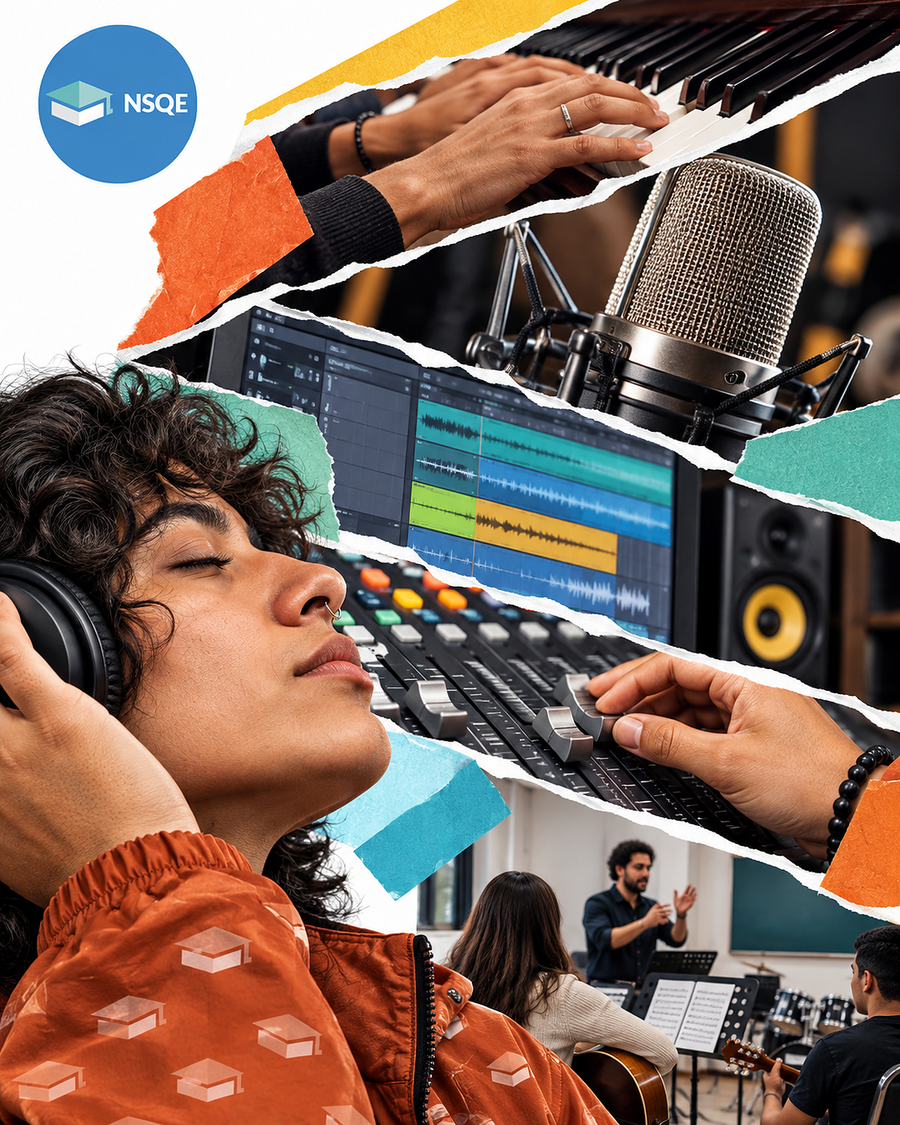
What part of music do you really enjoy?
Start by differentiating between listening to music and wanting to work with it.
Maybe you enjoy playing an instrument, composing, singing, producing sounds, discovering new artists, analyzing songs, attending concerts or teaching other people.
The activity that attracts you the most is more useful for choosing a degree than the general interest in music.

If you want to perform or create music
You can explore Music degrees, instrumental performance, singing, composition and other artistic training.
These options usually require constant practice, technical training and ear development. Depending on the program, you can also study music theory, harmony, music history and composition.
Before choosing, check how much weight performance carries and how much theoretical training carries.
If you are interested in producing music
Music Production, Sound Engineering and different audio training programs may interest you if you enjoy working behind the recording.
Here you will find microphones, mixing, editing, acoustics, software, recording and production of music projects.
It can be a good combination if you like music but also enjoy technology and solving technical problems.
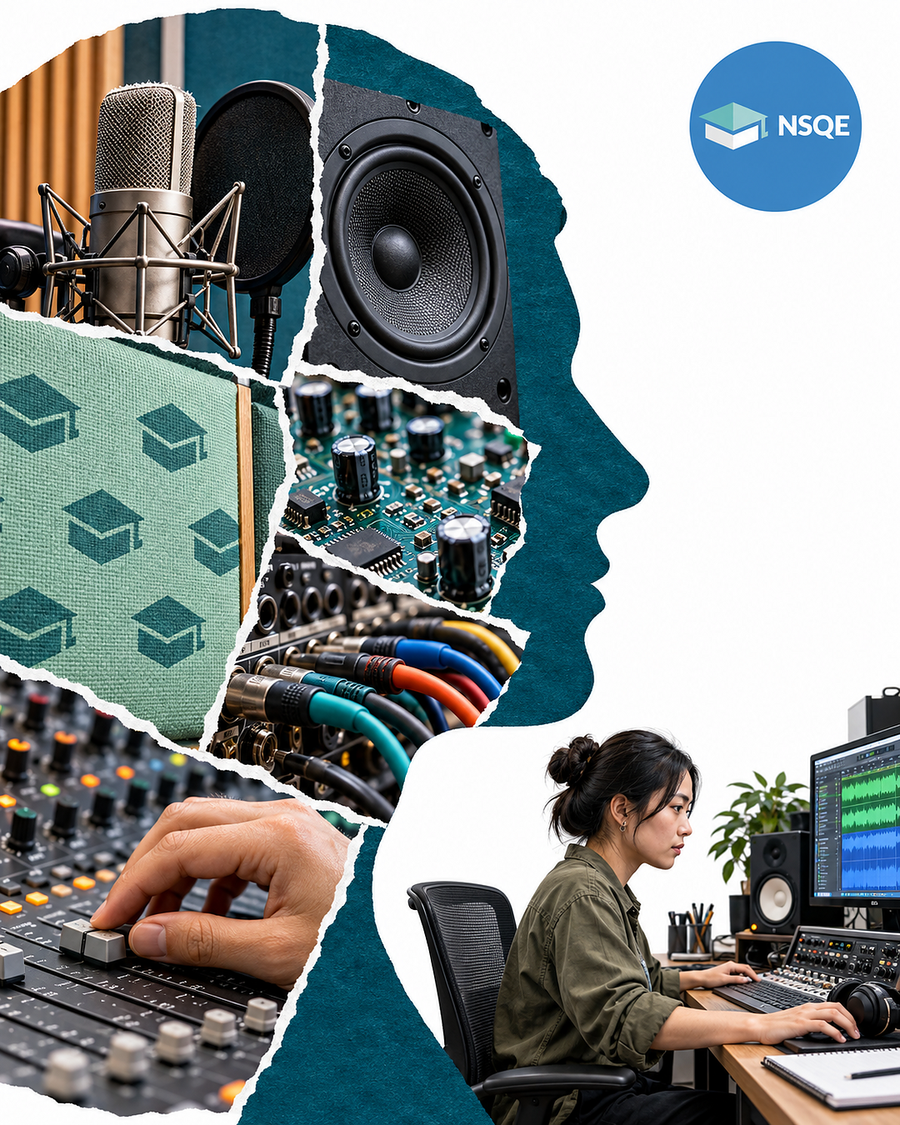
If you like technology applied to sound
Music can also relate to programming, electronics, sound design, and digital tools.
You might be interested in electronic production, music software development, audio design for video games or creating sound-related systems.
In these cases, it's worth researching technological degrees and then seeing how you can specialize in musical applications.
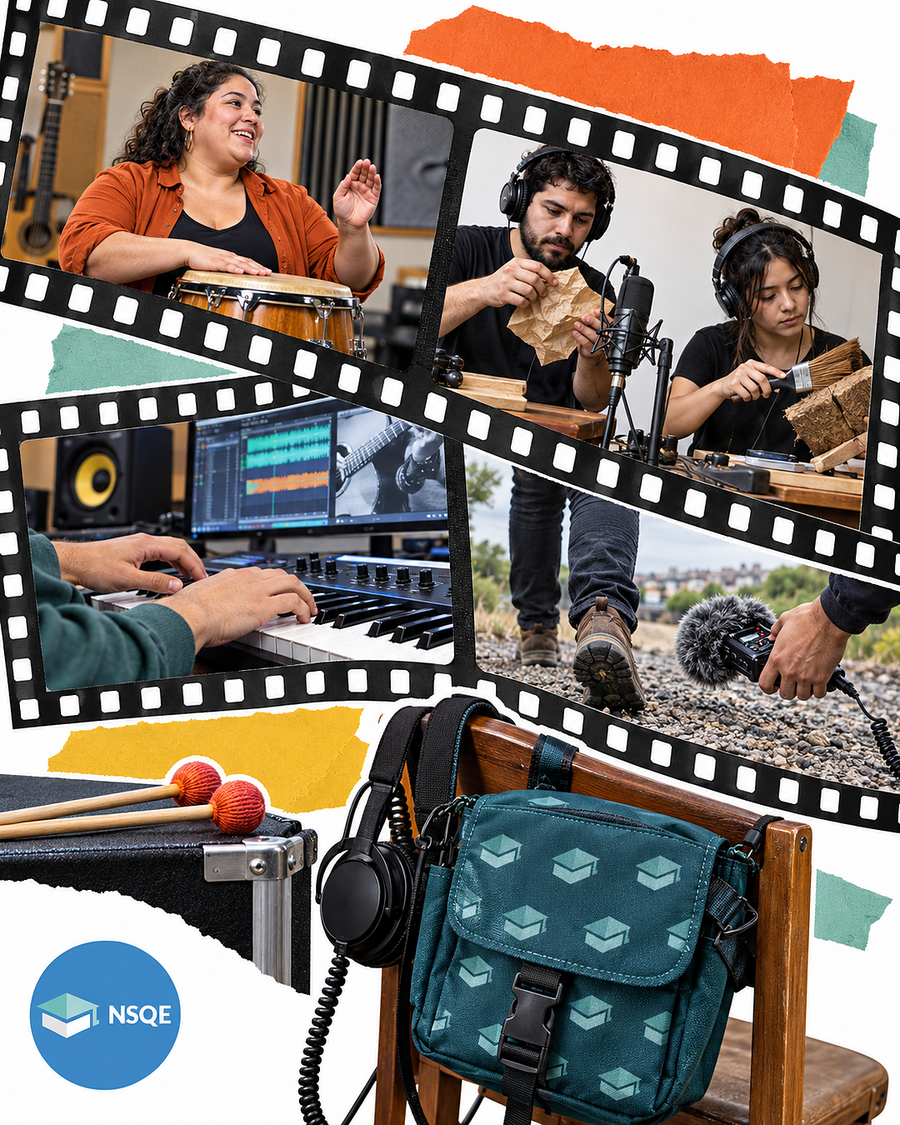
If you enjoy teaching
If you like explaining, supporting others, and helping them develop musical skills, you can explore music education, teaching, and performance with a pedagogical orientation.
Being a good musician does not automatically guarantee being a good teacher. Teaching requires adapting explanations, observing difficulties, planning activities, and working with different learning paces.
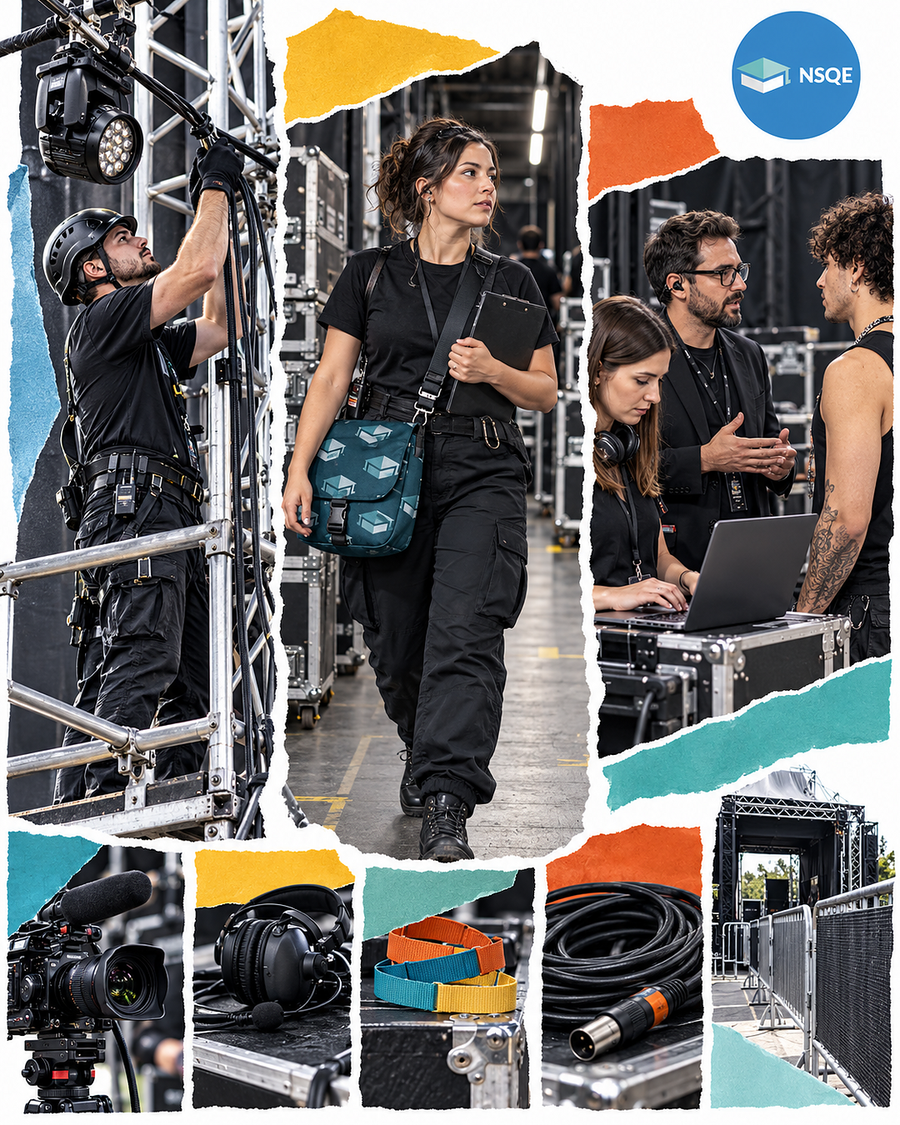
If you're interested in the music business
The music industry also needs people who organize concerts, manage artists, develop campaigns, negotiate rights, and work in event production.
Administration, Marketing, Communication, Event Production and related degrees can allow you to work within the music sector without performance being your main activity.
If you like telling stories with music
The sound is a fundamental part of film, series, video games and other audiovisual content.
You can explore composition for media, sound design, audiovisual production, Film or Audiovisual Communication.
In this path, music is part of a broader experience and works together with image, narrative, and technology.
How to narrow down your options?
Ask yourself which activity you want to do most of the time.
If you want to perform, research Music and Performance. If you're interested in creating songs, explore composition. If you enjoy equipment and software, look at Music Production or Sound Engineering. If you want to teach, research music education. If you're drawn to the industry, compare business, communication and production degrees.
The NoSeQueEstudiar Career Test can help you check what other skills go along with your interest in music and discover alternatives you may not have connected with it.