?? compatible
Artistic, Enterprising, Social
The main function of a Drafter is to produce visual representations of structures, products, machinery, and other objects. This may include designing plans and diagrams, producing detailed drawings from existing models or sketches, and updating technical plans.

What is a cartoonist?

A cartoonist is an artist who creates drawings by hand, on the computer or tablet. This can be for magazines, newspapers, publishers, television and film studios, videos, game companies and animation studios. Their work can also be used in political commentary, comics, installation guides and user manuals.


What does a cartoonist do?

Many cartoonists use digital tools to create their drawings, although there are many who still use paper and pencil which are then scanned. A cartoonist may accept commissioned work, or develop their own work to be sent to publications. They can also work on complete books or series instead of individual cartoons. Some cartoonists make comic strips regularly for publication and may have some job security. Some publishers also keep caricaturists on staff to work in an office environment. Being a cartoonist requires high creativity, as they have to consistently come up with new and clever ideas.
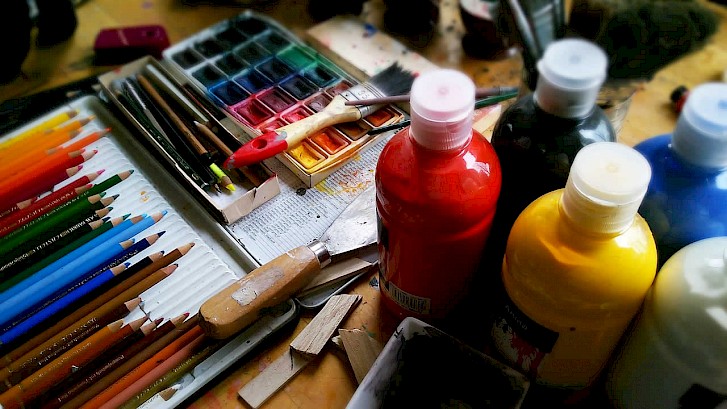
What is a cartoonist's workplace like?

Freelance cartoonists generally work from their home studio where they can keep their own working hours. In some cases, cartoonists keep working hours within an office and contribute regularly to a publication. While they are not able to set their own schedule in that case, the benefits and stability of employment usually outweigh any negatives.

Drafter: what do they do?
Develop detailed design drawings and specifications for mechanical equipment, dies, tools and controls, using computer-aided design (CAD) equipment. 84%
Design scale or full-size plans of special items such as furniture and automobile body components or chassis. 76%
Design and draw schematic, orthographic or angular views to represent the functional relationships of components, assemblies, systems and machines. 75%
Coordinate with and consult other workers to design or detail components and systems and to resolve design problems or other issues. 74%
Verify the dimensions of the materials to be used and assign numbers to the materials. 73%
Review and analyze specifications, sketches, drawings, ideas and related data to evaluate the factors affecting component design and the procedures and instructions to follow. 72%
Modify and revise designs to correct operational deficiencies or reduce production problems. 72%
Calculate mathematical formulas to develop and design detailed specifications for components or machinery using computer-assisted equipment. 71%
Place instructions and comments on the drawings. 69%
Design, draw and reproduce illustrations for reference manuals and technical publications to describe the operation and maintenance of mechanical systems. 56%