
Virtual Reality Environment Designer
A Virtual Reality Environment Designer is a professional in charge of creating and designing the virtual scenarios and environments experienced in virtual reality applications and games.
The Virtual Reality Environment Designer uses specialized software to model and bring realistic, detailed and immersive 3D environments to life.
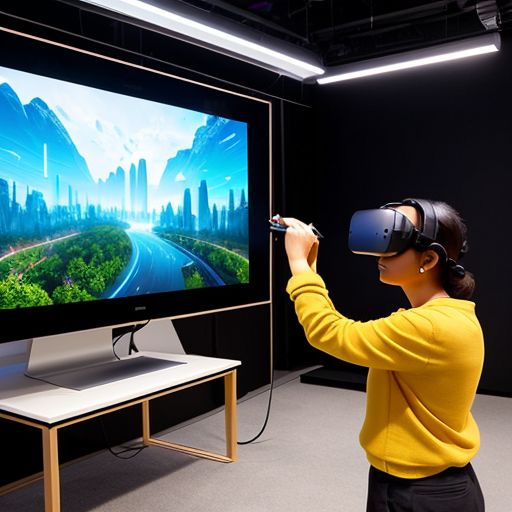
Its goal is to create environments that are visually appealing, consistent with the narrative and provide an immersive and exciting experience for users. It works in close collaboration with multidisciplinary teams, such as developers, 3D artists and interaction designers, to carry out high-quality virtual reality projects.
The Virtual Reality Environment Designer Creates and brings immersive virtual worlds to life, combining art and technology for a visually impactful and immersive experience.
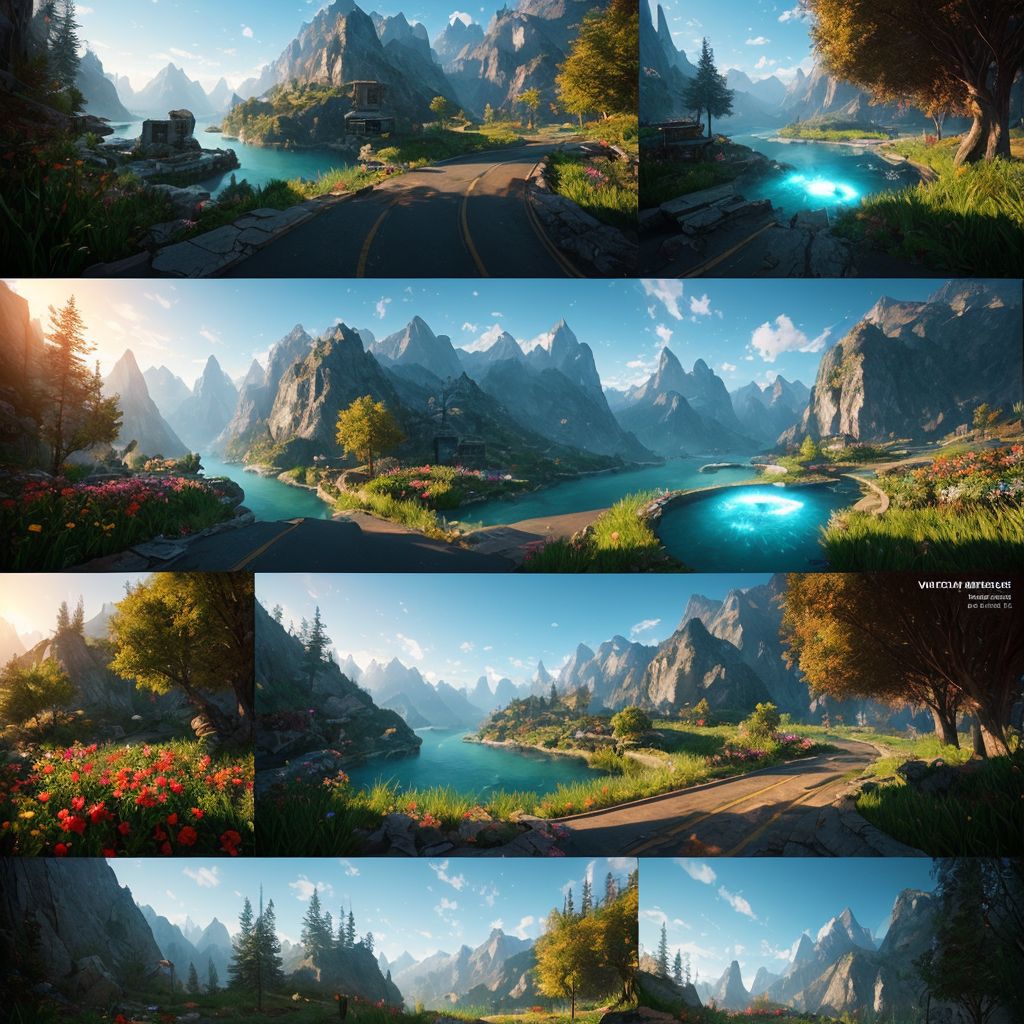
A Virtual Reality Environment Designer performs tasks such as conceptualizing and designing virtual scenarios, creating assets and visual elements, optimizing graphic performance, implementing interactions and collaborating with other professionals to achieve a captivating and coherent Virtual Reality experience.
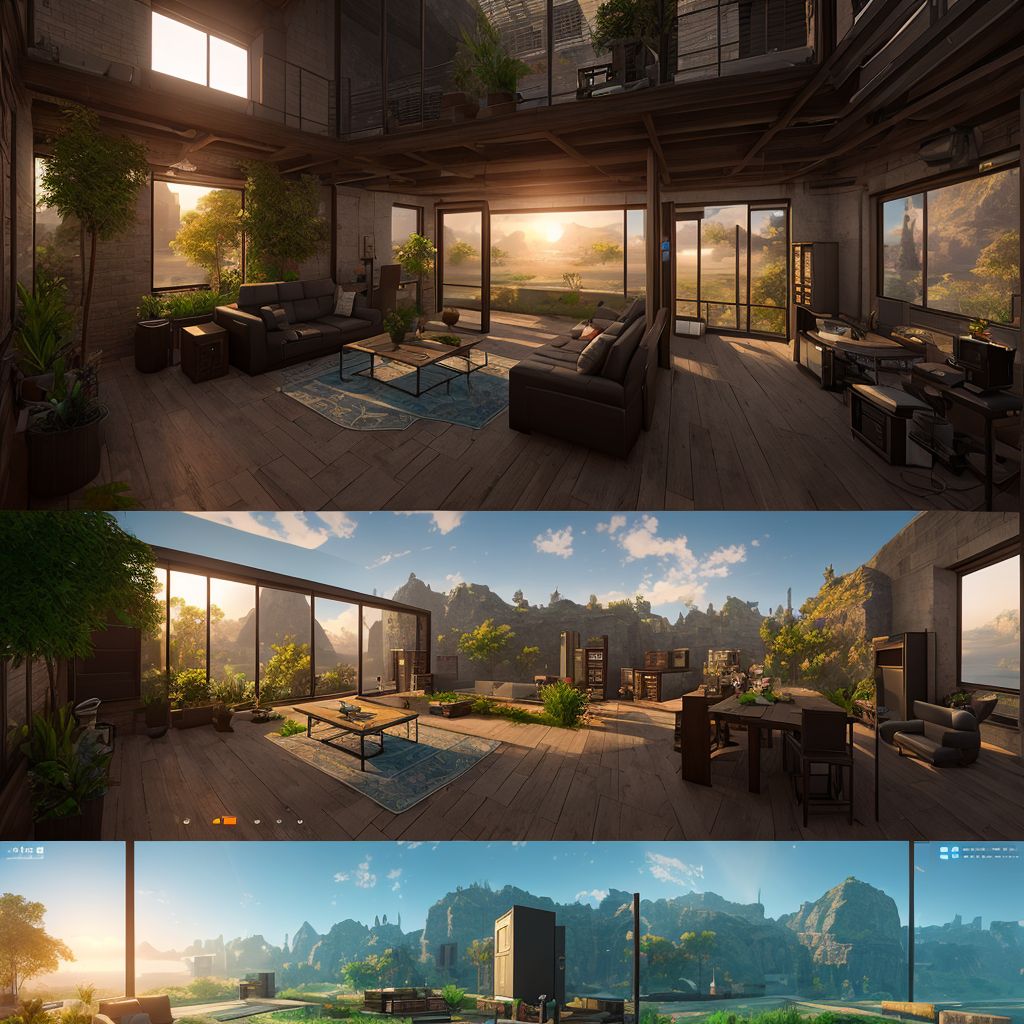
A Virtual Reality Environment Designer can work in a variety of companies and organizations, including video game development studios, technology and virtual reality companies, advertising and marketing agencies, animation and visual effects studios, architecture and interior design companies, educational and research institutions, as well as entertainment and media companies.
A Virtual Reality Environment Designer can work in various industries, some of which include:
Entertainment: Creation of virtual worlds, scenarios and interactive experiences for video games, simulations and immersive entertainment experiences.
Education: Development of virtual learning environments to facilitate education and training in different areas, such as educational simulations and training in specific skills.
Architecture and Design: Design of virtual environments to visualize architectural and design projects, allowing clients to explore and experience spaces before their construction.
Medicine and Health: Creation of medical simulations for training health professionals and virtual therapies for the treatment of phobias and disorders.
Automotive and Aeronautical Industry: Development of virtual environments for testing and simulations of vehicle and aircraft prototypes.
Marketing and Advertising: Design of immersive brand experiences and advertising campaigns in virtual reality to promote products and services.
Tourism and Travel: Creation of virtual experiences that allow users to explore tourist destinations before physically visiting them.
Engineering and Manufacturing: Development of simulations for product testing, employee training and optimization of industrial processes.
These are just some of the industries where Virtual Reality environment designers can apply their talent and creativity.
The versatility of virtual reality technology offers opportunities in a wide range of fields to improve the way people interact with the virtual and real world.