
Live Show Designer
Welcome to the world of the Live Show Designer! you'll find everything about the creativity and magic behind creating live shows.
From stage and lighting design to special effects coordination and creating unforgettable experiences for the audience.
Live Show Designer
The Live Show Designer, also known as Tour Designer, plays a crucial role in the entertainment industry, especially in the fields of live music, theater, and design in general.
These professionals are responsible for conceptualizing and executing the aesthetic and technical vision of a show or tour, working closely with artists, directors, producers, and technicians to create immersive and memorable experiences for the audience.
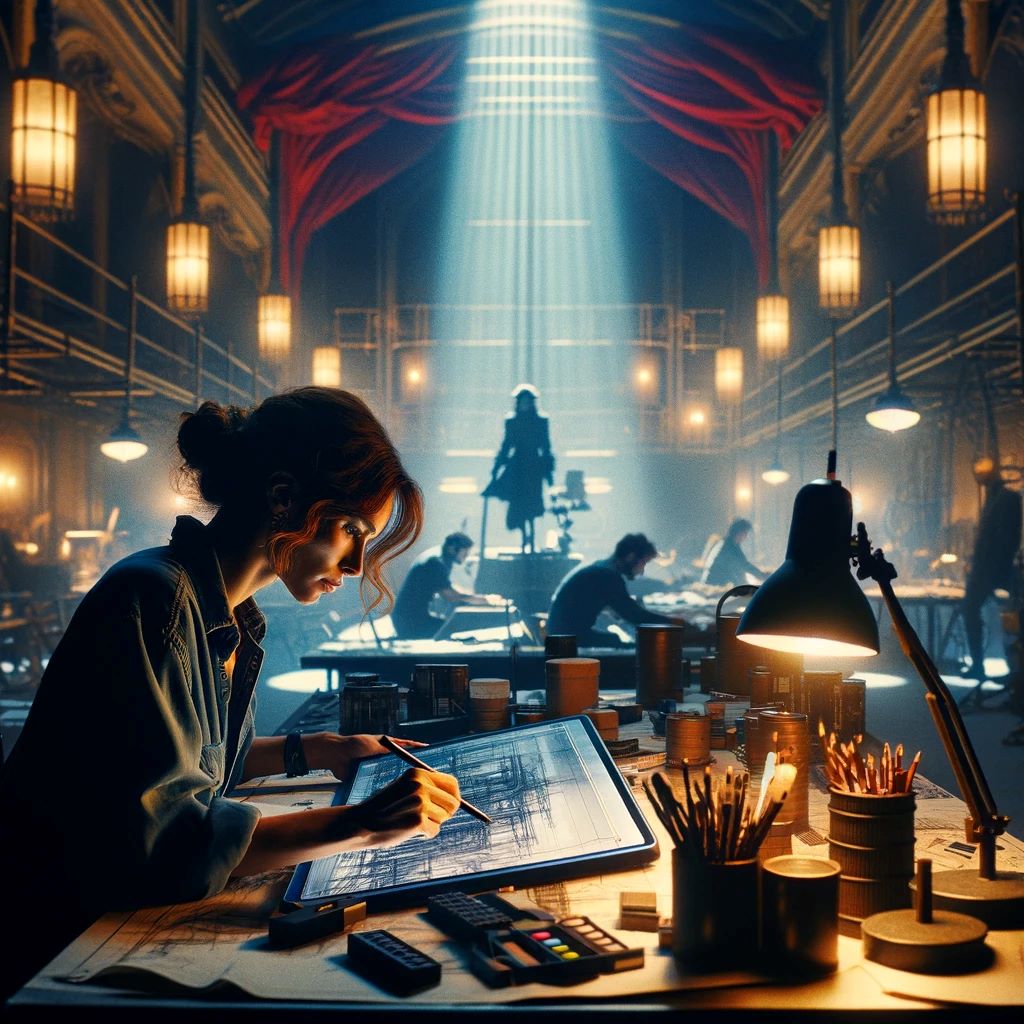
Their tasks range from selecting color palettes and textures to creating storyboards and detailed technical plans. In addition, the show designer must keep up with the latest technologies and be able to lead work teams in building and assembling the various elements that make up the design.
Adaptability and the ability to solve problems in real time are key skills for succeeding in this exciting and dynamic field.
In the context of live music, the Live Show Designer plays a key role in creating dynamic stage designs, innovative lighting systems and visual effects that complement and enhance musical performances. These professionals must understand the music and the vision of the artist or band to translate emotions and musical themes into visual elements and sensory experiences.
Collaboration with sound engineers and multimedia artists is also essential to synchronize visual effects with the music, creating a cohesive atmosphere that envelops the audience.
Production of Artistic and Musical Live Shows
The world of live entertainment is a universe of creativity and magic that involves a wide range of artistic and technical disciplines.
From stage and lighting design to coordinating special effects and creating unforgettable experiences for the audience, the live show designer plays a crucial role in producing high-impact artistic and musical events.
What do you study to become a Live Show Designer?
When someone decides to embark on the fascinating world of live show design, they enter a multidisciplinary field full of creativity and technique.
Students on this path learn a wide range of topics including:
Design Theory: Understanding the basic principles of visual composition, color and form, applied to stage space.
Lighting Technology: Studying the different techniques and equipment used to effectively light a show, creating atmospheres and emphasizing dramatic or musical elements.
Sound: Learning about acoustics, sound systems, and how to design the sound reinforcement that properly accompanies the production.
Video Projections and Multimedia: Using current technological tools to integrate live visuals and multimedia effects, adding striking visual dimensions.
Artistic Direction: Conceptualizing the show, collaborating with directors and choreographers to develop a coherent aesthetic vision.
Production Management: Managing the technical and logistical aspects involved in staging a live show.
History of Art and Entertainment: Learning about the historical background to find inspiration and contextualize new creations.
Practical Workshops: Participating in real productions to apply knowledge and develop technical and creative skills.
Live show design requires a combination of artistic and technical knowledge, as well as a deep understanding of how light, sound and image combine to tell a story and move the audience.
Specialized training in lighting design for shows and stage design
Specialized training in lighting design for shows and scenography is essential for those who wish to enter this exciting field. Study programs offer a combination of theoretical and practical knowledge, covering aspects such as lighting technology, stage design, resource management and coordination of work teams. In addition, it delves into understanding the artistic and technical needs of each project, preparing students to face the challenges of the world of live shows.
Bachelor's Degree in Show Lighting Design
The bachelor's degree in show lighting design offers comprehensive training in this discipline, combining theoretical and practical knowledge to prepare students to face the challenges of the world of live shows.
Study programs cover aspects such as lighting technology, stage design, resource management and coordination of work teams, offering a solid foundation for professional development in this field.
Online lighting design course
The online lighting design course is an excellent option for those who wish to acquire specialized knowledge in this field in a flexible and accessible way. Through virtual classes, participants will be able to learn about the fundamental principles of lighting design, the technological tools available and current trends in the live show industry.
Online courses in stage lighting design
Online courses in stage lighting design offer a wide variety of content ranging from lighting fundamentals to advanced design techniques. Participants will have the opportunity to explore different styles and approaches, as well as acquire practical skills for implementing their own stage lighting proposals.
Degrees in Theater
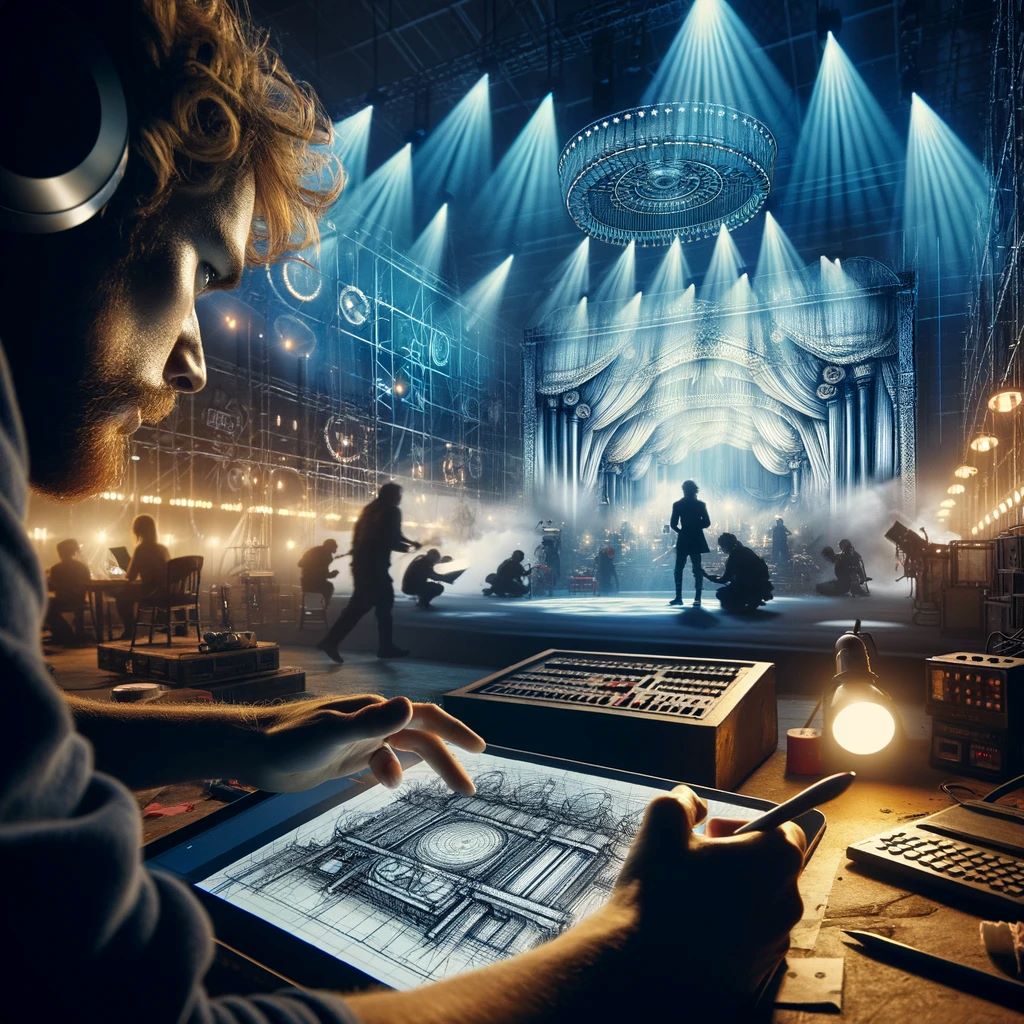
In theater, the Live Show Designer is crucial for developing the visual concept of the production, including scenography design, costumes, lighting and props. Their work helps define the tone and atmosphere of the play, supporting the narrative and artistic direction.
These designers collaborate closely with the theater director and the creative team to ensure that all visual elements align with the vision of the play, enhancing the theatrical experience for the audience.
Degrees in Design
The Live Show Designer is also closely related to degrees in graphic design, industrial design, interior design and multimedia.
They use skills from these fields to create visual elements, from stage sets to digital projections and promotional material for the show or tour.
The ability to work with 3D design software and emerging technologies is essential, allowing them to innovate and create unique experiences for the audience. In addition, sustainable design has become an important aspect, seeking to minimize the environmental impact of productions.
Skills and Competencies
- Creativity and Innovation: Ability to conceptualize unique ideas and bring them to life.
- Technical Skills: Knowledge of lighting technology, sound and design software.
- Collaboration: Work effectively with multidisciplinary teams.
- Project Management: Plan and execute projects from conception to completion.
- Adaptability: Ability to adjust to different artistic genres and production requirements.
The Live Show Designer is a dynamic role that requires a mix of artistic creativity, technical skills and collaborative ability. As the entertainment industry evolves, these professionals continue to explore new technologies and design methods to create increasingly immersive and exciting live experiences.
Creation and visual design for live events
Creation and visual design for live events is a crucial aspect in the production of artistic and musical shows. In this workshop, different techniques and methodologies of visual creation such as videomapping and image design for experimental pieces and live events will be reviewed. Participants will have the opportunity to explore their creativity and develop skills to generate striking visual proposals that complement the viewer experience.
Lighting Designs for Musicals, Concerts and Operas
Lighting design for musical events, concerts and operas is a discipline that requires a deep understanding of music and visual narrative. Lighting designers in this field must be able to create atmospheres that enhance the зритель experience, highlighting the key moments of the musical performance and bringing a unique aesthetic dimension to the event.
Lighting for dance
Dance is a form of artistic expression that benefits enormously from carefully crafted lighting design. Lighting designers for dance must be able to capture the energy and movement of the dancers, creating visual environments that enrich the stage presentation and enhance the beauty of the choreography.
Lighting for theater
Theater lighting design is a discipline that combines artistic creativity with stage technique. Lighting designers in this field must understand the narrative of the play, highlight the dramatic moments and contribute to building atmospheres that complement the staging.
Stage lighting
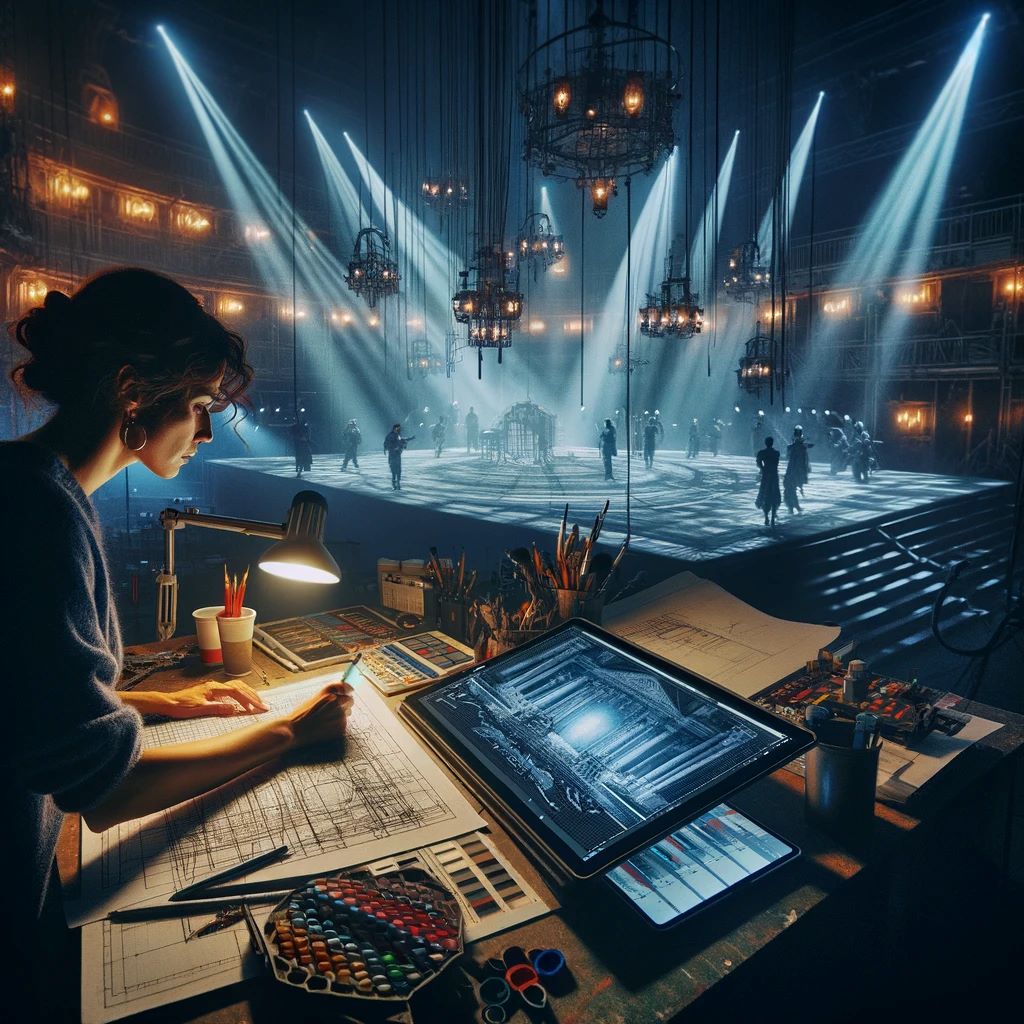
Stage lighting design covers a wide range of artistic and technical disciplines, offering opportunities to explore creativity and innovation in the field of live entertainment. Stage lighting designers are tasked with creating visual environments that enhance the spectator experience, bringing a unique aesthetic dimension to each event.
Multimedia arts
Multimedia arts offer a fertile field for experimentation and the integration of different artistic disciplines. Live show designers who venture into this field have the opportunity to explore new forms of visual expression, combining elements of video, sound, lighting and set design to create immersive and memorable experiences.
Visual arts
Live show design draws on the visual arts, integrating elements of painting, sculpture, photography and other disciplines to enrich the aesthetic proposal. Live show designers with training in visual arts have the ability to bring a unique perspective to the creation of impactful visual experiences.
Dramatic arts
The dramatic arts are an essential component in the production of live shows, providing narratives, characters and emotions that complement the visual design and staging.
Live show designers with training in dramatic arts have the ability to understand stage dynamics and contribute proposals that enrich the viewer's experience.
Movement arts
The live show design benefits enormously from the integration of movement arts, incorporating elements of dance, acrobatics and body expression to enrich the stage proposal.
Live show designers with training in movement arts have the ability to create visual proposals that enhance the energy and expressiveness of the artists on stage.
Audiovisual arts
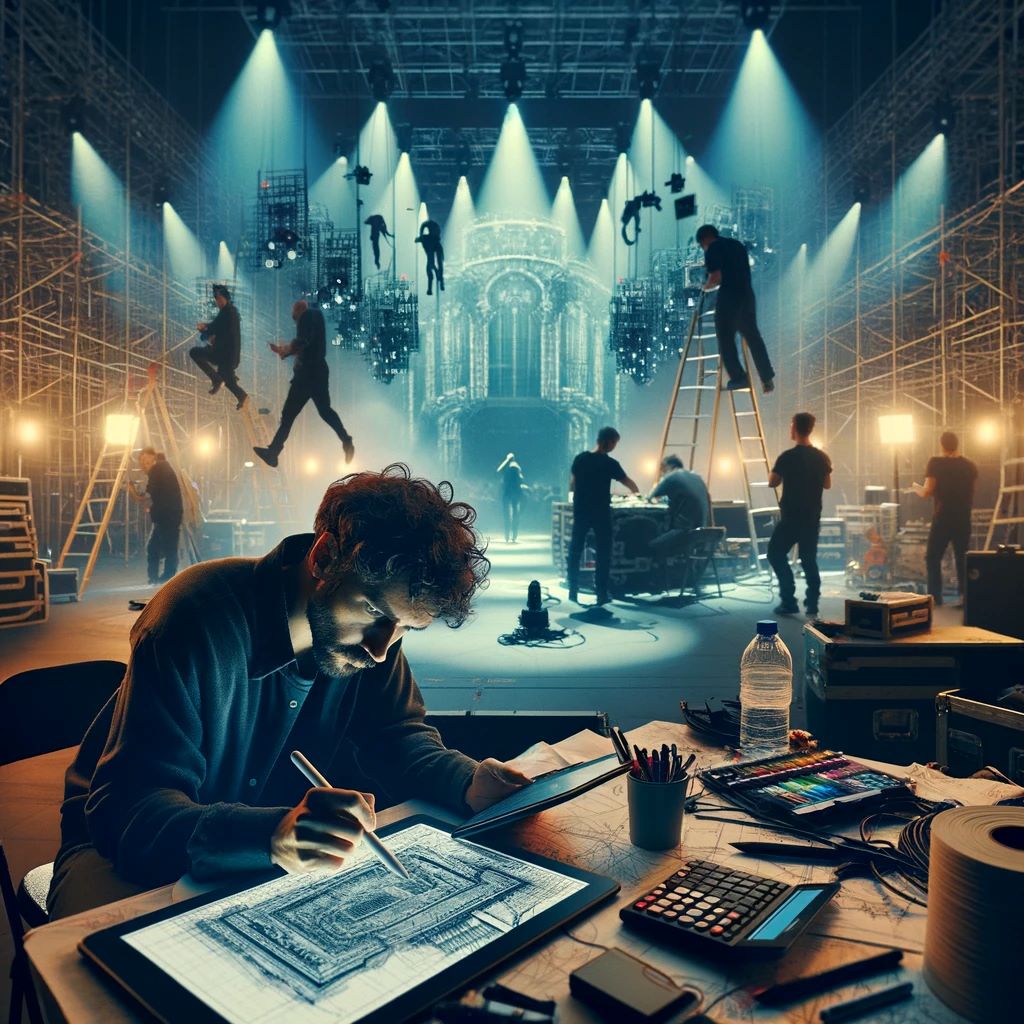
Audiovisual arts offer a vast field of possibilities for the creation of live shows, integrating elements of sound, music, video and lighting to generate impactful sensory experiences. Live show designers with training in audiovisual arts have the ability to explore new ways of integrating visual and sound elements to create innovative proposals.
Arts criticism
Arts criticism is a discipline that provides an analytical and reflective perspective on artistic production, contributing to the understanding and appreciation of live shows. Live show designers who have training in arts criticism have the ability to evaluate and contextualize their work within the framework of contemporary artistic trends and movements.
Live show designers who have training in arts criticism have the ability to evaluate and contextualize their work within the framework of contemporary artistic trends and movements, allowing them not only to actively participate in the cultural dialogue but also to innovate and lead in the creation of experiences that transcend the conventional.
Through the exploration of new technologies, the integration of diverse artistic disciplines and the commitment to creative excellence, live show designers are constantly redefining what it means to entertain, educate and inspire the public.
On this exciting journey, the live show designer not only becomes an artist and technician, but also a visionary who blurs the lines between different art forms to create unique and unforgettable experiences.