
Sound Designer
A sound designer is a professional specializing in creating and manipulating sounds for different media such as film, television and video games.
Their work consists of producing and editing sound effects, as well as mixing and post-producing audio to achieve a high-quality listening experience. They are sound artists who bring images to life through sound.
Responsibilities and tasks of a sound designer
The sound designer is responsible for creating and manipulating sounds for various media. Their tasks include the production and editing of sound effects, audio mixing and post-production. They must work closely with directors and producers to meet the creative objectives of the project.
Skills and knowledge needed to be a sound designer
A sound designer needs to have technical knowledge of sound and music, as well as software and hardware skills related to sound design. It is also important to have creative and communication skills to work closely with the director and other professionals on the project.
Technical knowledge of sound and music
A sound designer must have solid technical knowledge of sound and music. This includes understanding the properties and characteristics of sound, such as frequency, amplitude, resonance, among others. They must also have knowledge of musical composition, harmony, melody and rhythm. In addition, they must understand the different types of musical instruments and how they produce sound.
This knowledge will allow the sound designer to create sound effects and music that effectively complement the project they are working on.
Software and hardware skills related to sound design
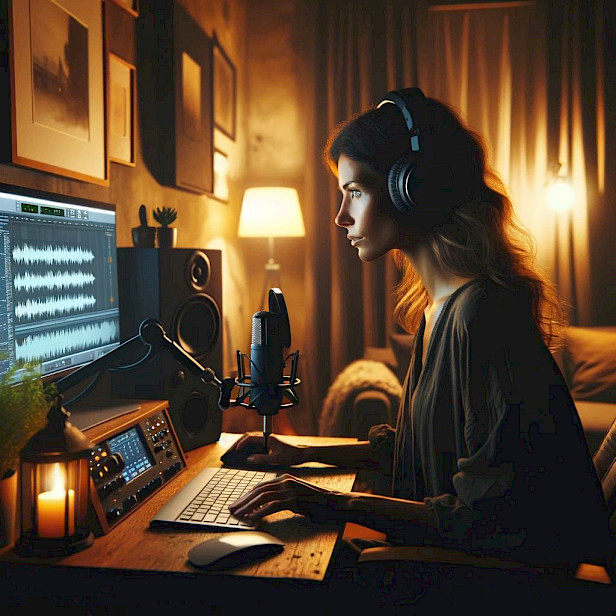
A sound designer must have skills in using sound editing and mixing software.
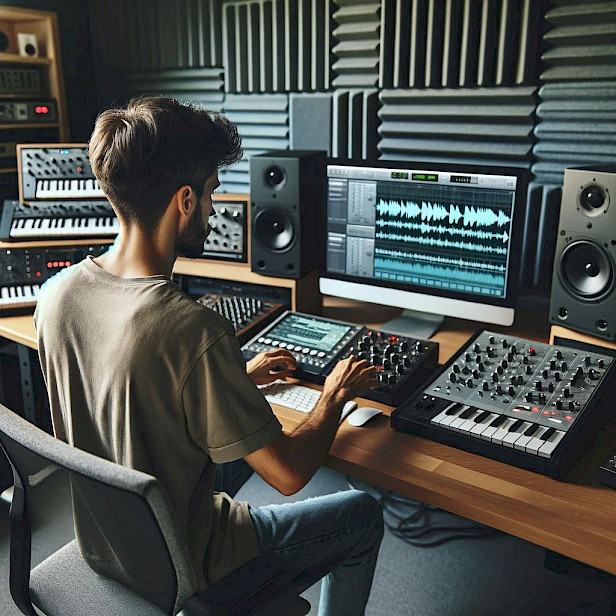
He should also be familiar with audio hardware, such as audio interfaces and MIDI controllers. These skills will allow the sound designer to create and manipulate sounds effectively to suit the project he is working on.
The sound designer must stay up to date with the latest software updates and be able to adapt to new tools and technologies.
Equipment and tools used by sound designers
Sound designers use a variety of equipment and tools to create and manipulate sounds. Some of the most common include sound editing and mixing software, such as Pro Tools, Ableton Live and Logic Pro. They also use audio interfaces and MIDI controllers to capture and manipulate sounds in real time.
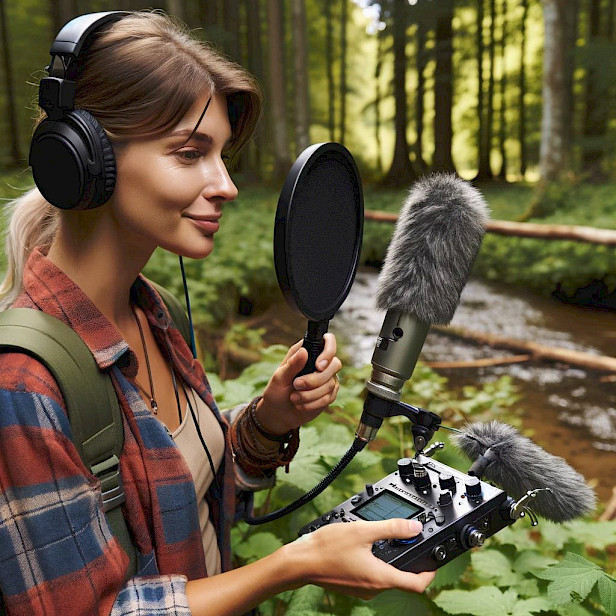
In addition, they may use recording equipment, such as microphones and portable recorders, to capture sounds in the real world. These tools allow sound designers to create sound effects, mix music and dialogue, and bring a project's listening experience to life.
Sound editing and mixing software
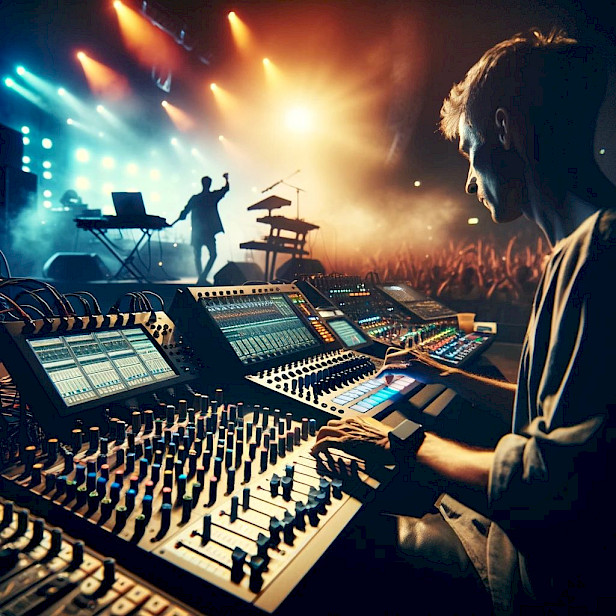
Sound designers use sound editing and mixing software such as Pro Tools, Ableton Live and Logic Pro to manipulate and create different sound effects, mix music and dialogue, and ensure a high-quality listening experience.
Recording equipment and microphones
Sound designers use a variety of recording equipment and microphones to capture and record high-quality sounds. These may include portable recorders, condenser microphones, ribbon microphones and lavalier microphones.
The choice of equipment depends on the type of sound to be captured and the environment the sound designer is in.
Sound design process in different industries
The sound design process varies across different industries, such as film and television, where the soundtrack of an artistic production is created and edited, and in video games, where sound effects are developed and mixed.
The sound designer works in collaboration with other professionals to ensure that sound is effectively integrated into the final project. They also carry out tests, adjustments and improvements to achieve the desired result.
Sound design in film and television
The sound design in film and television is essential for creating an immersive experience.
The sound designer works closely with directors and editors to create the soundtrack, add special effects, adjust the sound balance and ensure overall audio quality.
Sound design in these industries is crucial for setting the tone and atmosphere of a production, as well as for enhancing the narrative and emotions of the scenes.
Sound design in video games
The sound design in video games plays a crucial role in creating an immersive experience.
The sound designers are responsible for creating sound effects, music and dialogue that adapt to the player's actions and provide a greater sense of realism and atmosphere in the game. In addition, they also help design the overall sound experience, adjusting the sound mix to ensure that the effects do not drown out the music or dialogue, and vice versa.
The sound designers in video games work closely with developers and game designers to create a unique listening experience that complements and enhances gameplay.
Famous examples of sound designers
- Ben Burtt, recognized for his sound design work on the Star Wars saga.
- Randy Thom, award-winning sound designer on films like Forrest Gump and The Incredibles.
- Martin Stig Andersen, known for his sound design work on video games like Inside and Limbo.
- Hans Zimmer, sound designer on renowned films like The Dark Knight and Inception.
Renowned sound designers in the film industry
Ben Burtt is recognized for his sound design work on the Star Wars saga. Randy Thom has been awarded for his sound design on films like Forrest Gump and The Incredibles.
Prominent sound designers in the video game industry
Within the video game industry, standout sound designers include Martin Stig Andersen, known for his work on the Inside game, and Jesper Kyd, recognized for his compositions for the Assassin's Creed saga.
Perspectives on the sound designer career
The career of sound designer is fundamental in the entertainment industry, whether in film, television or video games. With constant technological innovations, there is great potential for growth and opportunities in this career.
Those interested in entering the field of sound design must acquire the necessary knowledge and skills, as well as stay up to date on new tools and techniques. In addition, it is important to have a passion for sound and music, as well as a strong work ethic and ability to work as part of a team.
With determination and perseverance, sound designers can find successful and fulfilling careers in this exciting industry.
Career opportunities and growth in the field of sound design
The sound designer career offers diverse career opportunities and growth in the entertainment industry. With the growing demand for audiovisual content, there is a constant stream of projects that require sound design, providing opportunities to work in film, television, video games, advertising and more.
In addition, with the advancement of technology, there are constant innovations in the field of sound design, allowing professionals to stay up to date and expand their skills. There is also the possibility of working freelance and setting up your own sound design studio. With talent, experience and dedication, sound designers can have successful and lucrative careers in this exciting industry.