
Illustrator
An illustrator is an authentic, passionate and dedicated visual artist with the ability to create drawings, images, paintings, to graphically capture concepts and communicate ideas.
An Illustrator is a professional whose work consists of creating visual images for a variety of purposes and platforms. These images can be used to help tell a story, to promote a product or service, to enhance a presentation, to explain a concept, to create an atmosphere or to emphasize an idea.
To become an illustrator, it is necessary to have a deep understanding of various disciplines, including art, design, technology, and the ability to apply this knowledge to the work. A formal education in illustration can help artists gain a solid foundation and develop the skills needed to become professional illustrators.
An illustrator earns a living by creating graphic materials with artistic and graphic techniques.
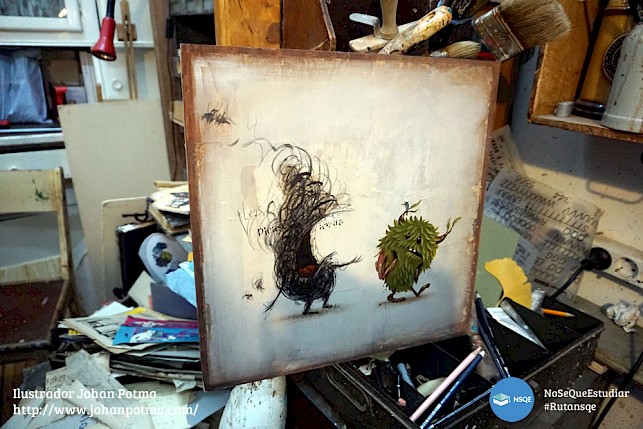
The tools they work with are varied, from black pencil, ink, papers, cardboard, wood, colored pencils, crayons, pens, acrylic paint, oil paint, airbrush, watercolors, computer, a variety of photo retouching, drawing and composition software, printer, drawing tablet, camera and much more.
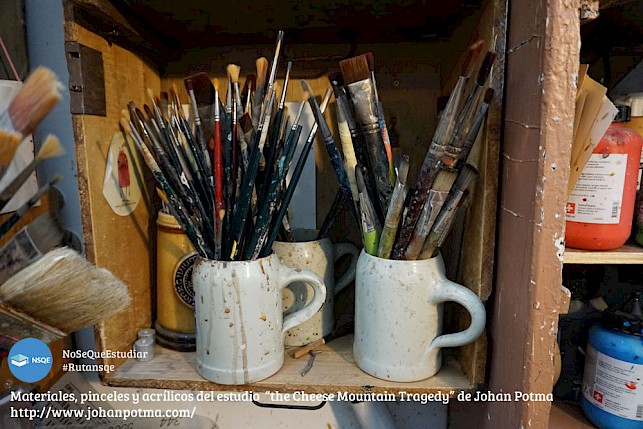
An illustrator creates information in visual format for different media and formats:
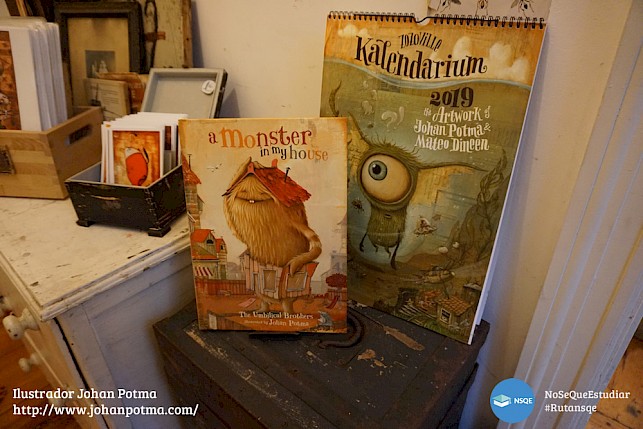
- Printed books: Illustrations for covers and interior pages of children's books and books in general.
- Advertising: TV ads, advertising banners, graphic ads, storyboards, narratives, promotional campaigns, products and brands.
- Web pages: digital objects and vignettes, spot illustrations for the web.
- Mobile devices: Application interface icons.
- Technical, corporate or educational manuals.
- Paper cards.
- Printed calendars.
- Printed newspapers.
- Printed magazines.
- Storyboards, shooting and comics on paper or in digital format.
- Character illustrations to be digitally animated.
- Marketing icons.
- Signage.
- Murals and office interiors.
As in every career an illustrator can specialize in an area:
Medical Illustrator: graphically develops medical, technical or scientific manuals to illustrate parts of the body or show the impact of a disease on the body.
Commercial illustrator: works in the development of products, parts, objects.
Advertising Illustration: illustrates advertising campaigns, creates visually more attractive product graphics.
Technical illustrator: generally creates illustrations of parts and objects that are used in technical instruction manuals.
To be an illustrator you need to be prepared for change, many times clients ask for modifications or it may happen that direction changes mid-process and you have to start sketching anew, that's why it's key to be tolerant and be prepared for last-minute change. An illustrator works with designers, illustrators, animators, content strategists and product designers.
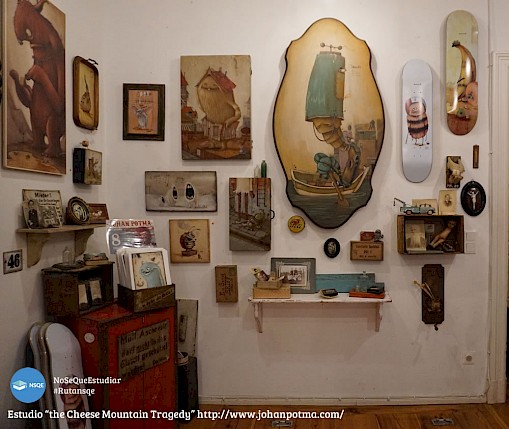
The day to day of an illustrator
It depends on each illustrator's situation, their own organization and the work they are preparing at that moment.
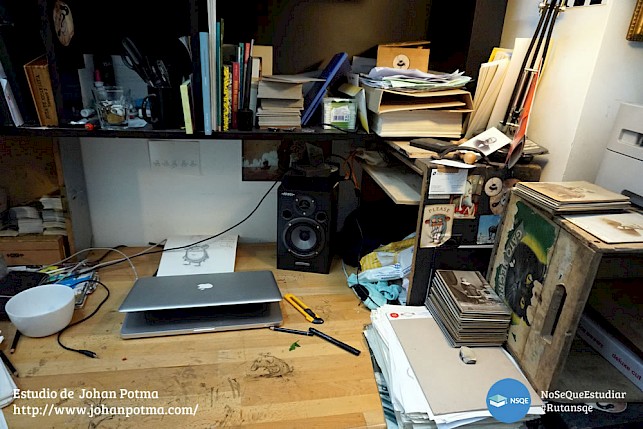
A freelance illustrator will probably start their daily activity by reviewing their work schedule, the list of pending tasks and will do so from their own studio, from home or in a company office, they will read email, organize meetings with brands and clients to gather information and show their progress to the team or to clients.
When an illustrator is hired to work in a company, remotely or as a freelance self-employed worker, they carry out their initial activity by starting to capture sketches and will show them to the client for approval and changes; once the sketch is approved they can start working on the final idea.
The illustrator will do their best to capture their own style, in their beginnings in addition to creating hundreds of sketches and drawings for brands, products, they will invest time in learning, keeping up to date and networking to generate their own income.
Discover what to study to become an Illustrator
What are the tools you need to learn?
Image retouching, optimization and management programs; digital drawing and painting; design and layout of print and digital media.
Free and paid tools such as: Gimp, Krita, Gimp, Clip Studio Paint PRO, Adobe Photoshop, Corel Painter, Autodesk SketchBook, Adobe Illustrator, Corel Draw, Sketch (for Mac), Affinity Designer, After Effects among others.
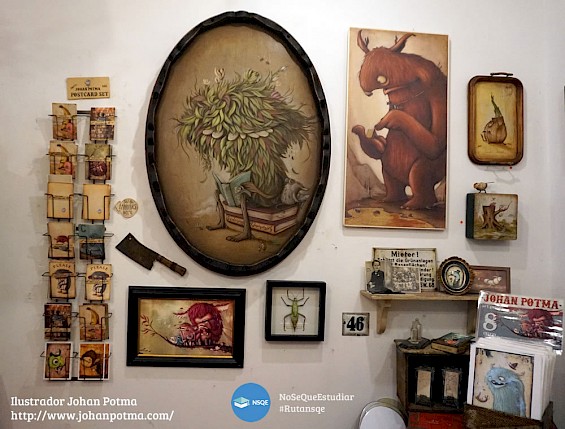
What to study to become an illustrator?
To learn illustration, there are informal or formal training options, from the self-taught path to specialized schools and academies to learn to draw. There are also full university degrees where you learn to illustrate, as is the case with Art or Fine Arts.
What does it take to become an Illustrator?
- Be a detail-oriented creative, be curious and eager to experiment.
- Ability to work alone or in a team.
- Organizational skills.
- Ability to work on many digital platforms with multiple teams.
- Ability to capture ideas and quickly generate new concepts.
- Systems thinking is required.
- Passion for imagining and executing high-quality work. For example, in a company the illustrator's role may be to apply the company's illustration and color system to the product, while collaborating with the Design team to ensure consistency and quality throughout the process.
Tasks an illustrator can perform:
- Execute creative briefs.
- Generate clear ideas and concepts.
- Produce sketches, storyboards, campaign ads, etc.
- Organize and document a brand's graphic assets.
- Write style and usage guidelines.
- Create illustration assets of all kinds.
- Create still and moving images.
- Manage individual projects in an organized way that ensures on-time delivery and a clear workflow.
- Collaborate closely with product designers, art directors and creative directors.
- As a member of a company, the illustrator collaborates for example with the marketing, creative and UX team to ensure a consistent and cohesive brand expression through illustration and iconography.
- Take work from concept to final execution within the established deadlines.
- Ensure that storyboards align with the team's creative goals and cover storytelling objectives.
What requirements do companies generally ask for to work as an Illustrator?
- A Portfolio showcasing relevant work and a link to your resume. An excellent virtual portfolio with illustrations and iconography, with work ranging from products to marketing deliverables. At some companies they may request a diploma or Bachelor's Degree in Fine Arts, Design, Multimedia or a related field.
- Strong presentation, interpersonal, communication and time management skills.
- Self-motivation to prioritize and manage your own workload.
- Passion for creating illustration stories and creating illustrations for various platforms.
- Experience in illustration at a creative agency or in an in-house design team at a company.
- Experience in brand building.
- Experience in illustration in a varied set of styles.
- In-depth knowledge of color, composition and digital production.
- Mastery of visual design and communication principles, including hierarchy, typography and grid systems, with experience applying these principles to digital and print experiences.
- Excellent documentation skills.
- Reliable and good team player who enjoys a fast-paced environment.
- Ability to collaborate with the different areas of a company, such as marketing, product and content, in an iterative work environment.
- Stay up to date on all trends and maintain best practices.
- Advanced knowledge of image retouching, optimization and management software.
- Hands-on experience with storyboard illustration and video production.

Undoubtedly an illustrator is an all-round artist with an absolute passion for drawing, who experiments and creates regardless of the final medium.
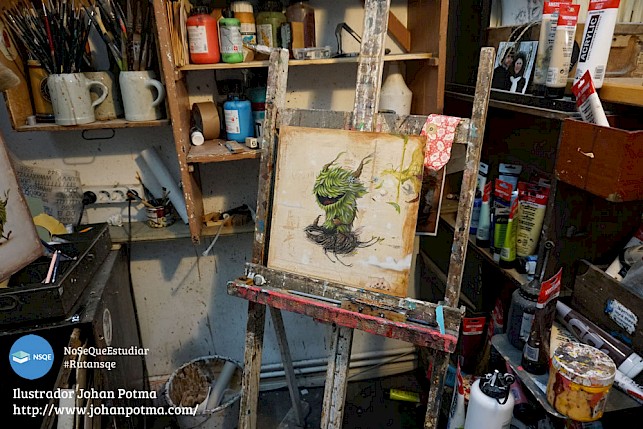
We thank Johan Potma, for allowing us to take photos of his work and letting us into his studio "the Cheese Mountain Tragedy" at Schönleinstrasse 32, 10967 Kreuzberg, Berlin during #Rutansqe.