
Web Application Development Technician
A Web Application Development Technician is a professional specialized in the creation and maintenance of applications and websites. Using a variety of programming languages, frameworks and technologies, this technician works on different stages of development, from planning and design to implementation and support. They generally have skills in both front-end (the part of the application that interacts with the user) and back-end (the logic behind how the application works).
In addition to programming, the Web Application Development Technician usually has knowledge of databases, web servers, and on some occasions, even graphic design and user experience. This professional could work in a variety of environments, ranging from small start-ups to large corporations, and sometimes as an independent freelance or consultant.

The main goal of this technician is to build functional, efficient and attractive web applications that meet the needs of the user or client. They can work on projects of different scales and complexities, from basic informational websites to large-scale enterprise applications.
It is common for this professional to collaborate with other roles, such as user interface designers, software engineers, database specialists and systems analysts, to successfully carry out web development projects.
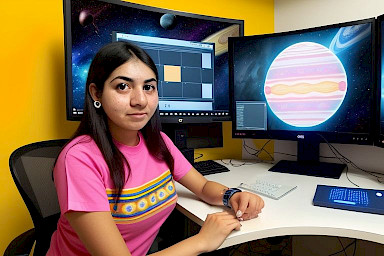
What does a Web Applications Technician do?
A Web Applications Technician is responsible for designing, developing and maintaining applications and websites. They use programming languages to create the user interface (front-end) and may use languages to manage server-side logic (back-end). In addition, this professional often works with databases to store and retrieve information.
The technician can participate in different phases of the project, from planning and design to implementation and maintenance. Its goal is to create functional, efficient and attractive web applications that meet the project specifications and user needs. He could also collaborate with other professionals such as Marketing Manager, graphic designers, software developers and database specialists to complete more complex projects.

Roles of a Web Applications Technician
What is a Web Applications Technician?
A Web Applications Technician is a professional who is responsible for designing, developing and maintaining applications and websites.
What are the main responsibilities of a Web Applications Technician?

Responsibilities may vary, but generally include:
- User interface design (front-end);
- Server logic development (back-end);
- Working with databases;
- Maintenance and updating of web applications;
- Debugging and troubleshooting.
What programming languages does a Web Applications Technician use?
The most common languages are HTML, CSS and JavaScript for front-end development, and languages such as Python, PHP or Java for the back-end.

Does he work alone or in a team?
Depending on the project and the company, a Web Applications Technician can work individually or in a team that may include designers, other developers, systems analysts and database specialists.
Does it require knowledge of graphic design?
Although it is not strictly necessary, having notions of graphic design and user experience can be beneficial for creating more attractive and functional applications.

What type of projects can they handle?
From informational websites and blogs to business applications and e-commerce platforms. The scale and complexity of the project will depend on the technician's level of experience and the team they work with.

Does it require experience in server administration?
It is not always necessary, but having some skills in server administration and in the use of cloud services can be useful, especially for larger projects.
What is the ultimate goal of a Web Applications Technician?
The main goal is to develop applications and websites that are functional, efficient and attractive, meeting the needs and specifications of the client or end user.

Can a Web Applications Technician work as a freelancer?
Yes, many technicians work as freelancers or consultants, offering their services to different clients on a variety of projects.
What training is needed to become a Web Applications Technician?
Generally, technical training in web development, computer science or related fields is required. However, many technicians are self-taught or acquire their skills through virtual courses and certifications.
If you have questions about what degree to pursue or how your interests could translate into a career, our guidance service "NoSeQueEstudiar" is here to help you. We offer personalized advice and workshops to guide you in your degree choice, taking into account your skills, interests and professional goals.