Biochemist
What is a biochemist?
A biochemist is someone who studies the chemical and physical principles of living things and biological processes such as cell development and growth.
A biochemist is a scientist who studies the chemical and physical properties of living organisms and their vital processes, such as metabolism and cellular activity.
In research and development, biochemists use their knowledge of biochemistry to create new products, study the effects of certain drugs or treatments, and develop new methods for treating diseases.
In the pharmaceutical industry, biochemists often work on developing new drugs and treatments. In addition, biochemists can work in the fields of food production and agriculture, where they use their knowledge to improve crop yields, develop new food products, and study the effects of certain products on the environment.
Biochemists can also work in the field of forensic science, where they can analyze biological evidence to help solve crimes.
What does a biochemist do?
Some tasks performed by a biochemist:
- Plan and conduct complex projects in basic and applied research.
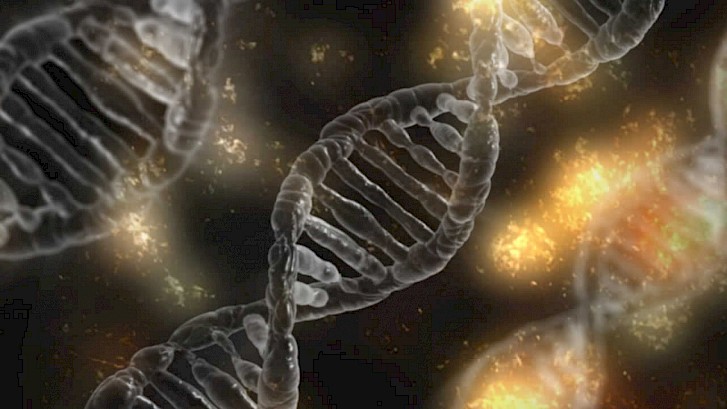
- Isolate, analyze and synthesize proteins, enzymes, DNA and other molecules.
- Present research findings to scientists, engineers and other colleagues.
- Investigate the effects of substances such as drugs, hormones and foods on tissues and biological processes.
- Prepare technical reports, research papers and recommendations based on their research.
- Manage laboratory teams and oversee the quality of work.
A biochemist will also use electron microscopes, lasers, other instruments and laboratory equipment to carry out their research. They use advanced technologies to perform scientific experiments and analyses. For example, they use modeling software to determine the three-dimensional structures of proteins and other molecules. Those involved in biotechnology research use chemical enzymes to synthesize DNA.
Most biochemists work on research teams. Research projects are often interdisciplinary, and biochemists frequently work with experts in other fields, such as physics, chemistry, computer science and engineering. They work in basic and applied research. Basic research is carried out without any immediately known application; the goal is simply to expand human knowledge. Applied research is directed toward solving a particular problem.
A biochemist involved in basic research may study genetic mutations in organisms that lead to cancer and other diseases. Others may study the evolution of plants and animals to understand how genetic traits are carried through successive generations. Biochemists who do applied research develop products and processes that improve our lives. For example, in medicine, biochemists and biophysicists develop tests to detect diseases, genetic disorders and other illnesses. They also develop new drugs and medicines, such as those used to treat cancer or Alzheimer's disease.
Applied research in biochemistry has many uses outside of medicine. In agriculture, biochemists develop genetically modified crops that are more resistant to drought, disease, insects and other afflictions. Biochemists also develop alternative fuels, such as biofuels renewable energy sources from plants. In addition, they develop ways to protect the environment and clean up pollution.
What is a biochemist's workplace like?
Biochemists usually work in laboratories and offices to conduct experiments and analyze results. Those who work with dangerous organisms or toxic substances in the laboratory must follow safety procedures to avoid contamination.