
Dermatologist
What is a dermatologist?
A dermatologist is a doctor who specializes in the prevention, diagnosis and treatment of conditions that affect the skin, hair, nails, sweat and sweat glands, mucous membranes (inside the mouth, nose and eyelids). The skin is the largest and most visible organ of the body, and it reflects the health of the body. It acts as a barrier against injuries and bacteria.
Dermatology patients can be any age, from babies to people who are over 100 years old. Of the 3,000 different dermatological conditions that can be treated, 20 of them account for about 80 percent of a dermatologist's workload.
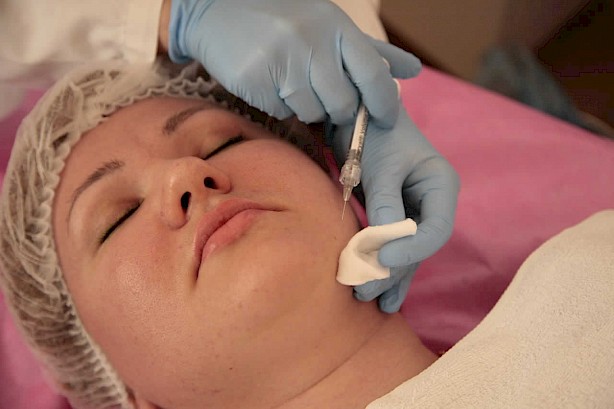
What does a dermatologist do?
In certain parts of the world, like Australia, dermatologists spend much of their time treating conditions resulting from sun exposure, such as malignant melanoma, squamous cell carcinoma and basal cell carcinoma. In other regions, dermatologists are more likely to encounter cosmetic problems; moles, hair and nail disorders, occupational dermatitis, psoriasis, skin infections, acne, rosacea and hand dermatitis. Rosacea is a common skin condition that can cause redness and swelling. Hand dermatitis results from contact with household chemicals and mostly affects women with children. Cosmetic problems that dermatologists can help with include wrinkles, age spots and other signs of aging, hair loss and scars. Some dermatologists perform minor cosmetic procedures, such as facelifts and liposuction.
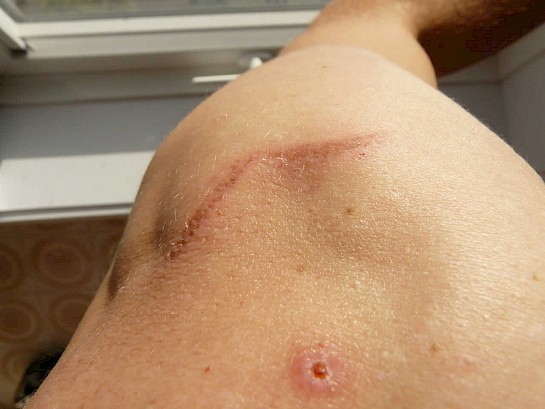
Cosmetics, industrial compounds and pesticides continually present new dermatological problems. The increase in outdoor work and leisure time today has increased people's exposure to the sun and other hazards that can cause skin problems. It takes years of training and experience to learn to distinguish the subtle differences in skin problems. Different conditions often share similar symptoms. Therefore, there is a growing need for more doctors to understand dermatology.
Family doctors can refer a patient to a dermatologist only after their treatment has failed, or if an unsuccessful treatment has caused complications. Because of this, it is often cost-effective to see a dermatologist in the first instance. Dermatologists are also better able to make an early diagnosis. Dermatology was considered a "light" specialty, but it is now recognized as critical to people's well-being.
Most skin conditions can be treated with topical therapy, such as lotions and creams. The surgical interventions that dermatologists must learn include filler injections, cryotherapy and other procedures to remove common skin growths such as warts. Nail biopsies where the patient is awake and small amounts of tissue are removed to facilitate diagnosis.