Energy Maintenance Engineer
An energy maintenance engineer is the professional who plans, organizes and supervises the maintenance of equipment, facilities and systems related to the production, transformation, transport or use of energy. Their work does not consist only of repairing machines when they fail. Their main task is to prevent those failures from happening, reduce downtime, improve safety, extend the useful life of equipment and ensure that a plant, network or energy facility can operate reliably.
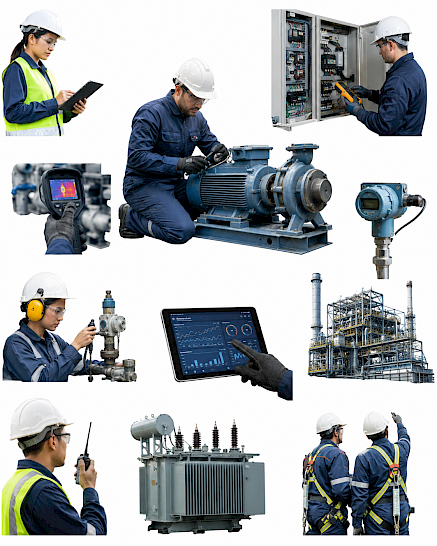
They can work in power plants, industrial plants, solar or wind parks, gas, oil and gas companies, electrical grids, energy storage facilities, refineries, treatment plants or energy service companies.
It is a very important career because in energy a technical failure can affect production, generate economic losses, create safety risks or interrupt essential services.
What problem it solves
The energy maintenance engineer solves a key problem: how to keep complex systems running without waiting for them to break.
In an energy plant there are motors, pumps, valves, turbines, boilers, compressors, electrical panels, sensors, control systems, pipes, meters and equipment that must operate safely. If any of them fails, it can stop a production line, affect the supply, cause accidents or lead to high costs.
That is why this professional designs plans to inspect, monitor, repair and improve equipment before the problem becomes serious.
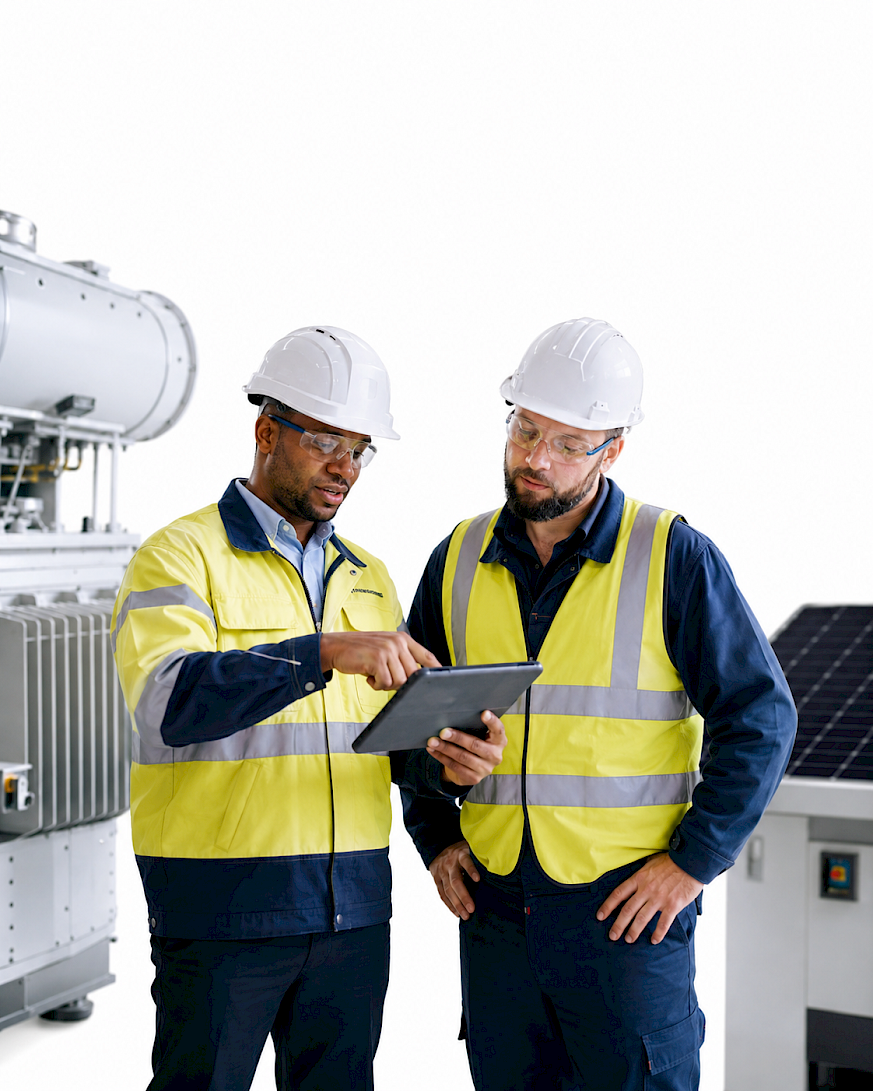
Main tasks
An energy maintenance engineer can perform tasks such as:
- Design preventive, corrective, and predictive maintenance plans.
- Supervise technical maintenance teams.
- Analyze repeated failures in machines, networks, or facilities.
- Review equipment reliability indicators.
- Coordinate scheduled repairs.
- Organize plant shutdowns or critical interventions.
- Evaluate spare parts, costs, timelines, and suppliers.
- Supervise external contractors.
- Review technical failure or incident reports.
- Propose improvements to reduce risks and increase efficiency.
- Participate in equipment modernization projects.
- Work with sensors, monitoring systems, and data.
- Collaborate with operations, safety, environment, and production departments.
- Ensure work is performed with permits and safe procedures.
- Prepare technical reports for supervisors, managers, or operations departments.
The day-to-day life of an energy maintenance engineer
Day-to-day life can vary greatly depending on where you work. An electric power plant is not the same as a solar park, a gas plant, an oil company, or an industry with high energy consumption.
In general, your workday may begin by reviewing operation reports, alarms, equipment indicators, work orders, and pending tasks. Then you may meet with technicians, supervisors, or operators to define priorities: which equipment needs to be checked, what failure was detected, what repair is scheduled, or what intervention cannot wait.
You may also walk through the plant or facility to check equipment in the field. There you observe motors, pumps, panels, valves, pipes, electrical systems, or measuring instruments. You do not necessarily do the repair with your own hands, but you must understand the technical problem in order to make decisions.
In some companies you work a lot with maintenance software, data dashboards, sensors, SCADA systems (Supervisory Control and Data Acquisition, in Spanish, supervision, control and data acquisition), reliability reports, or predictive analysis tools.
You also spend time planning. You must decide when it is best to stop a piece of equipment for maintenance, what spare parts to buy, what contractor to call, what risks exist, and how to prevent a repair from affecting operations.
It is a career that combines dashboard, fieldwork, technical analysis, and coordinating people.
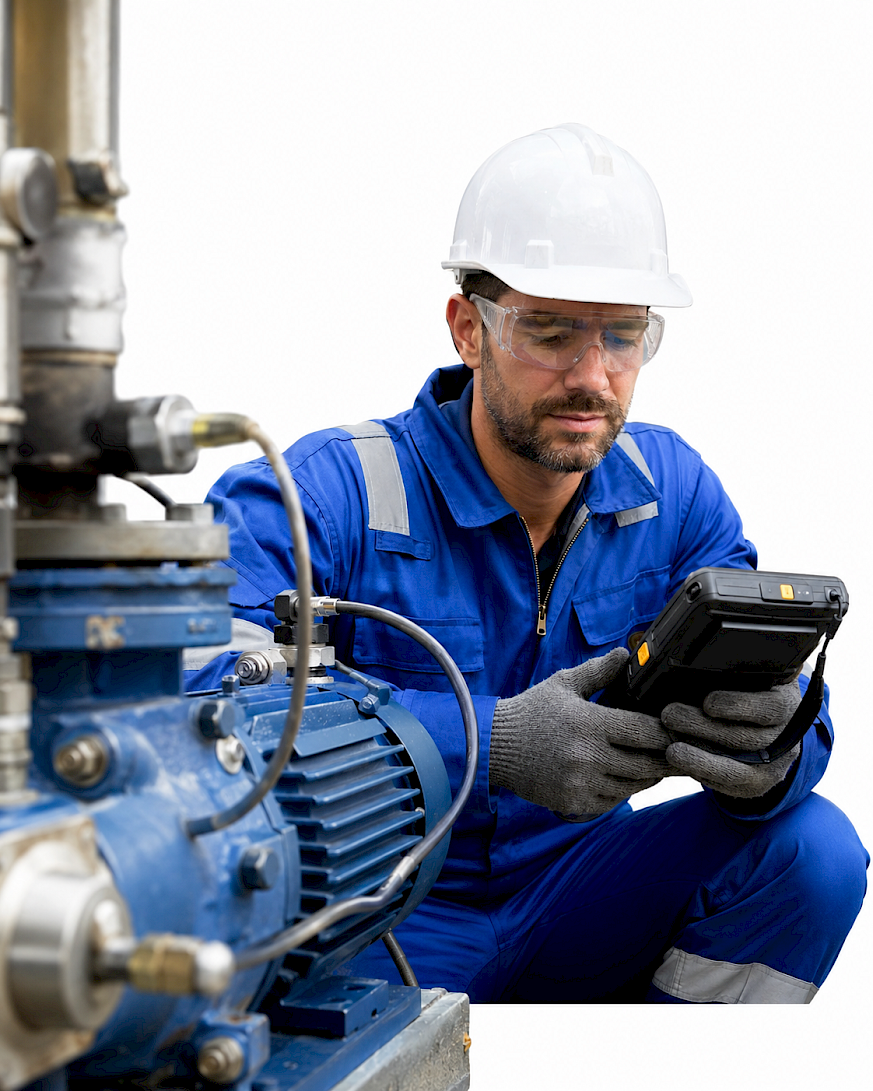
Tools, equipment, and technologies used
An energy maintenance engineer may work with:
- Electrical, mechanical, or process drawings.
- Technical equipment manuals.
- Maintenance management systems.
- Work orders.
- Temperature, vibration, pressure, or flow sensors.
- Multimeters, electrical meters, and diagnostic instruments.
- Electrical panels and control systems.
- Pumps, motors, valves, compressors, turbines, or boilers.
- SCADA systems or monitoring platforms.
- Data analysis software.
- Predictive maintenance tools.
- Incident and reliability reports.
- Safety procedures and work permits.
- Personal protective equipment such as helmet, goggles, gloves, boots, and industrial clothing.
In more modern areas, you can also work with industrial IoT, artificial intelligence, predictive maintenance, OT cybersecurity, automation, and remote monitoring.
Areas where you can specialize
An energy maintenance engineer can specialize in different areas:
Electrical maintenance: Focuses on panels, electric motors, generators, transformers, power systems, electrical protections, and internal networks.
Mechanical maintenance: Works with pumps, turbines, compressors, valves, pipes, boilers, hydraulic systems, or rotating equipment.
Predictive maintenance: Uses data, sensors, and measurements to anticipate failures before they occur. It is one of the areas with the most technological growth.
Renewable energy maintenance: You can work in solar farms, wind farms, batteries, inverters, storage systems, or distributed generation.
Oil and gas maintenance: Participates in production facilities, treatment, gas plants, pumping equipment, pipelines, control systems, and upstream operations.
Asset reliability: Focuses on improving equipment service life, reducing repetitive failures, and increasing plant availability.
Automation and control: Works with sensors, PLC, SCADA, instrumentation, remote monitoring, and industrial control systems.

Useful additional training
In addition to the degree, courses or certifications in the following can be useful:
- Maintenance management
- Preventive and corrective maintenance
- Predictive maintenance
- Asset reliability
- Industrial safety
- Project management
- Instrumentation and control
- Industrial automation
- SCADA
- PLC
- Vibration analysis
- Thermography
- Failure analysis
- Spare parts management
- Energy efficiency
- OT cybersecurity
- Oil and gas
- Renewable energy
- Technical English
Important skills
For this career you need technical, organizational and leadership skills.
Among the most important are:
- Knowledge of electrical, mechanical or industrial equipment.
- Ability to diagnose failures.
- Analytical thinking.
- Reading blueprints and technical documentation.
- Task planning.
- Maintenance management.
- Industrial safety.
- Data analysis.
- Communication with technicians, operators and managers.
- Organization of priorities.
- Team leadership.
- Problem-solving under pressure.
- Ability to make quick decisions.
- Attention to detail.
- Curiosity about improving processes.
- Continuous learning.
Knowing about machines is not enough. You also need to know how to coordinate people, interpret data, communicate well and understand how a technical decision affects the entire operation.
Where they work
An energy maintenance engineer can work in:
- Power plants.
- Industrial plants.
- Electric power generation companies.
- Energy transmission and distribution companies.
- Solar farms.
- Wind farms.
- Energy storage companies.
- Oil and gas companies.
- Gas treatment plants.
- Refineries.
- Mining companies.
- Chemical industries.
- Manufacturing industries.
- Energy service companies.
- Industrial maintenance companies.
- Technical consulting firms.
- Automation companies.
- Energy infrastructure projects.
- Plants with on-site generation systems.
- Energy efficiency companies.
Requirements companies usually ask for
Companies may require:
- Engineering degree or related technical qualification.
- Experience in industrial, electrical, mechanical or energy maintenance.
- Knowledge of plant equipment.
- Experience with maintenance management systems.
- Ability to read plans and technical manuals.
- Knowledge of industrial safety.
- Experience coordinating technicians or contractors.
- Availability to work in plants, in the field, or on technical on-call shifts.
- Ability to prepare technical reports.
- Knowledge of preventive and predictive maintenance.
- Technical English, especially in international companies.
- Ability to work under pressure in the face of breakdowns or emergencies.
In oil, gas, mining or power generation areas, they may also ask for experience in demanding industrial environments, compliance with safety regulations and availability to travel or work in remote areas.
Difference between energy maintenance technician and energy maintenance engineer
The energy maintenance technician is usually closer to hands-on execution: they inspect, repair, adjust, measure and perform practical tasks on equipment.
The energy maintenance engineer has a broader role in planning, supervision and analysis. They can coordinate technicians, review the causes of failures, define maintenance strategies, evaluate costs, manage spare parts, analyze data and propose improvements for the entire facility.
Both profiles are needed. The technician carries out many field tasks and the engineer organizes, analyzes and improves the maintenance system.
The energy maintenance is changing a lot. Previously, work was mainly about repairing equipment after a failure or following fixed schedules. Today many companies use sensors, data and predictive maintenance to anticipate problems before they occur.
That is why this career is moving beyond being just a mechanical or electrical activity: it increasingly looks like a combination of engineering, data, safety, technology and asset management.