
Degrees in Film
The film industry is one of the most recognized and admired in the world.
The film degrees offer a wide range of opportunities for those passionate about the art of telling stories through the big screen. Studying film involves delving into the world of cinematography, which ranges from production and directing to acting and visual effects.
The film-related careers are diverse and require specific skills, but they all share a passion for creating audiovisual works of art. If you are interested in working in film, keep reading to discover the opportunities and prospects this industry has to offer.
Film Degrees
The film degrees refer to the various careers related to the film industry.
Studying film involves delving into the world of cinematography, which ranges from production and directing to acting and visual effects.
The film professionals are those who have a passion for telling stories through the big screen and use different skills and technical knowledge to achieve it. Working in film involves collaborating in the creation of audiovisual works of art and being part of a creative team to bring a story to life and entertain audiences.
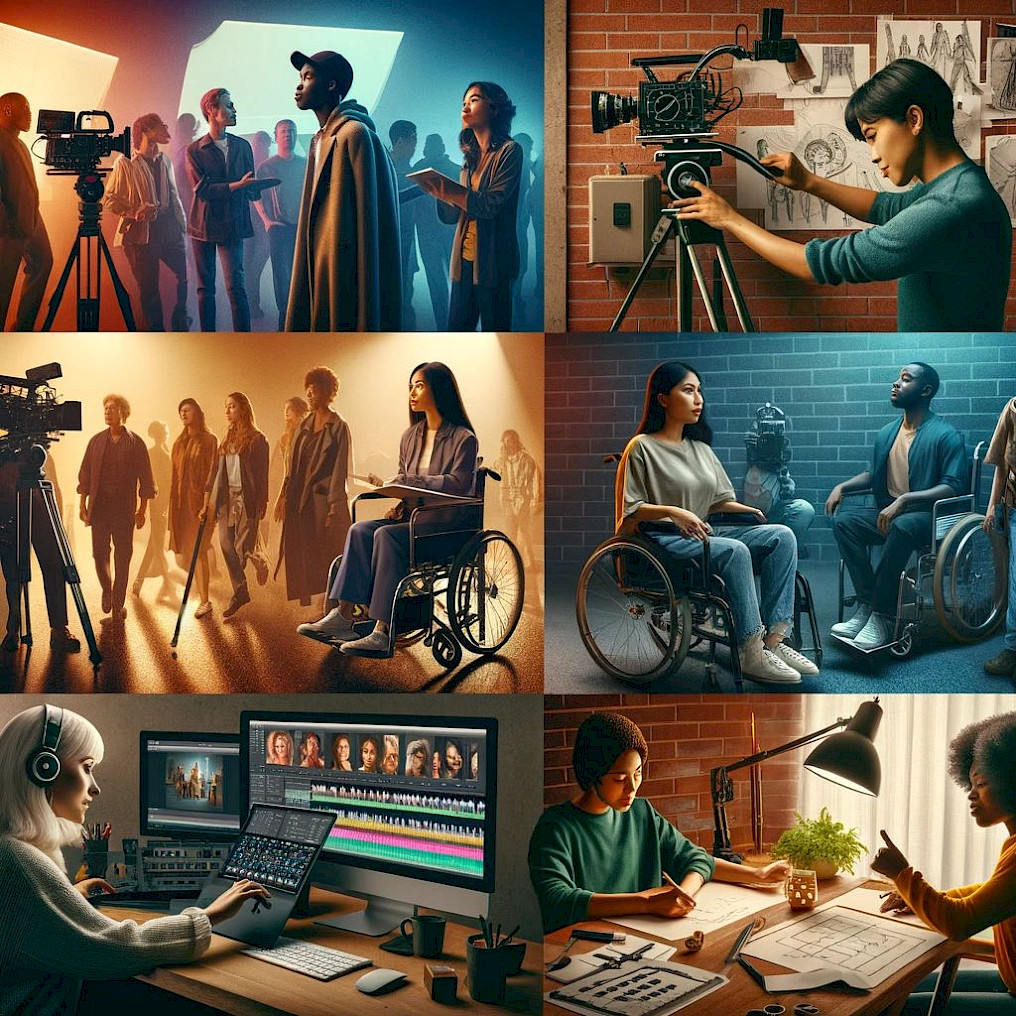
Importance of the film industry
The film industry plays a fundamental role in modern society.
Films are not only a form of entertainment, but also a powerful tool for conveying messages, exploring relevant topics and providing escapism. In addition, film is a medium of artistic expression and a platform for telling stories that emotionally impact audiences.
It also contributes to the global economy, generating jobs and generating significant income through the production, distribution and exhibition of films.
The film industry has a significant cultural and economic influence, and film degrees offer the opportunity to be part of this creative and booming world.
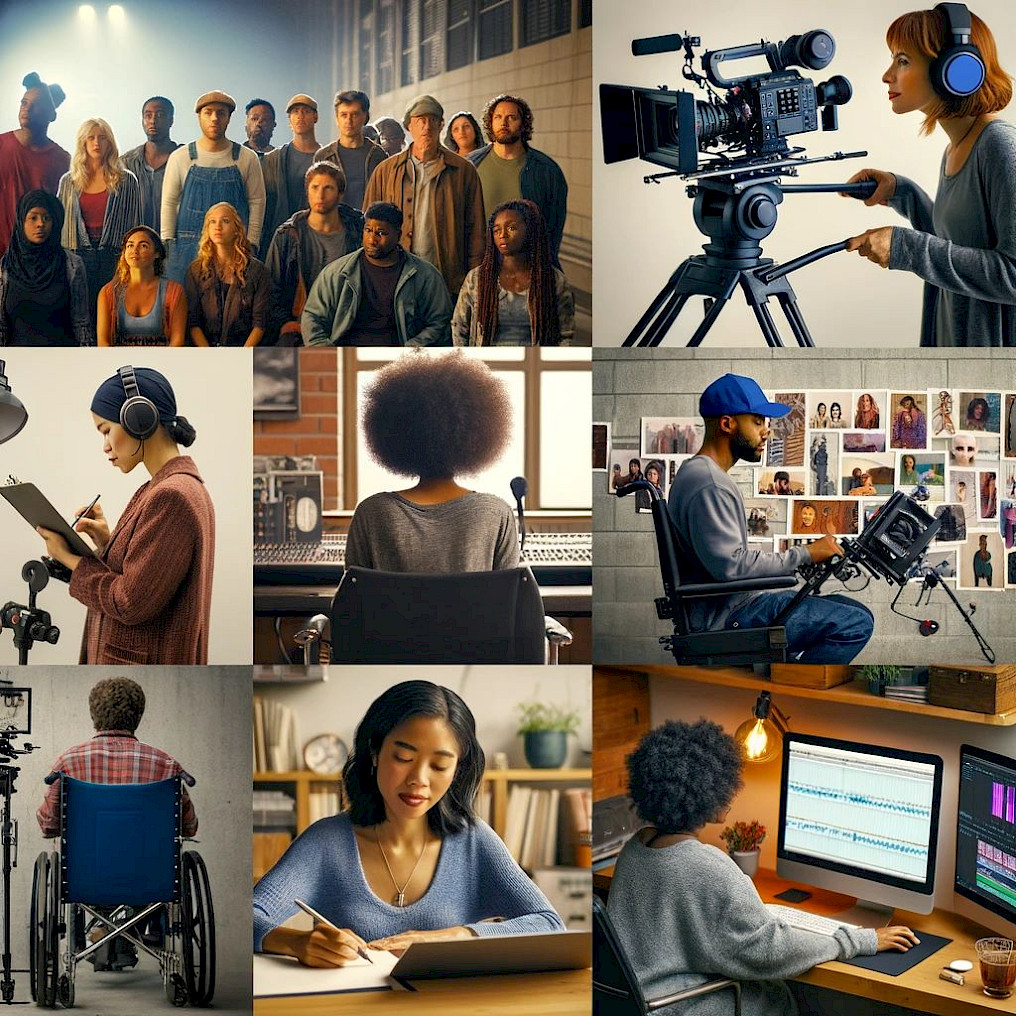
Film studios and production
The film studios and production are fundamental in the film industry. The film studios are places where filming takes place and sets are built for movies. These studios provide the space and equipment needed to carry out a film's production.
Film production involves coordinating various aspects, such as the budget, hiring staff, technical equipment, and logistics.
It is a complex process that requires detailed planning and efficient management to ensure the film's success.
Prominent film schools and programs
Film production and key roles in filmmaking
Film production is a complex process that requires coordinating different roles and responsibilities to carry out the making of a film. Some of the key roles in film production include:
- Producer: in charge of the film's financing and overall organization.
- Production manager: responsible for managing and coordinating all aspects of production.
- Director of photography: in charge of creating the film's visual aesthetic through lighting and composition.
- Production designer: in charge of creating and selecting the film's visual elements, such as sets and props.
- Art director: responsible for the artistic direction and visual design of the film.
These roles work together to ensure that the director's vision is successfully brought to life on the big screen.
Film production is a collaborative effort that requires a skilled and talented team to achieve outstanding results.
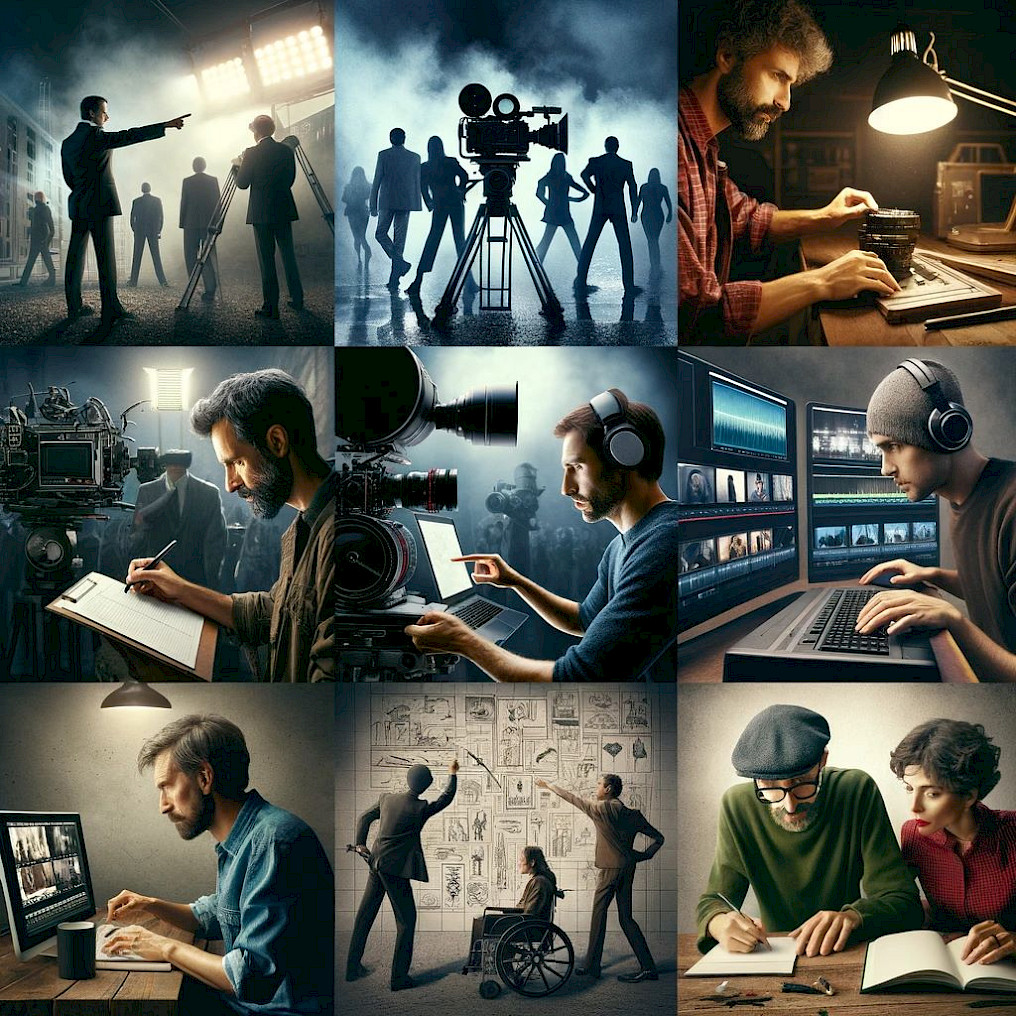
Directing
The director is the creative leader of a film production, responsible for guiding the artistic and technical vision of the film. This role involves working closely with all departments, from actors to editing, to ensure that the film aligns with their unique vision.
Educational path:
- Studies in cinematography or film directing at universities or film schools.
- Directing workshops and seminars.
- Practical experience through creating independent projects.
Director and screenwriter
The director and screenwriter are two essential roles in making a film.
The director is in charge of bringing the film's creative vision to life and directing the actors and technical crew to achieve the desired result. On the other hand, the screenwriter is the one who writes the script, which is the basis of the film's story and dialogue. Both roles work in close collaboration to ensure that the story is told effectively and that the director's vision is captured on the big screen.
Functions and responsibilities of the director
The director is in charge of bringing the film's creative vision to life and making sure the desired result is achieved. Its main functions include:
- Coordinate and direct the technical and artistic team.
- Direct actors and guide them in portraying their characters.
- Plan and organize the staging of scenes.
- Make creative decisions, such as selecting the visual style, music and special effects.
- Ensure the script is followed and maintain narrative coherence.
- Give clear instructions to the production team and supervise all aspects of making the film.
The director is ultimately responsible for the quality and success of the film.
The script writing and development process
The script writing and development process is a fundamental stage in making a film.
The screenwriter is in charge of creating the narrative structure and dialogue that will make up the film's story. To do so, extensive research is necessary, developing the characters and establishing the conflicts and plot twists. Once the script is finished, it can be revised and modified several times before reaching production.
The screenwriter works in collaboration with the director and other team members to achieve the best possible result.
Acting and cinematography
Acting is a fundamental part of the film industry, since actors are the ones who bring characters to life and convey emotions on screen. To be an actor, skills such as emotional expression, improvisation, voice and movement are required.
Many actors study at acting schools and participate in theatrical productions to gain experience. On the other hand, cinematography encompasses the art of recording and creating moving images.
Cinematographers are responsible for capturing the visual aesthetic of a film through the use of light, composition and camera technique. Their work is essential for creating the atmosphere and visual style of a film.
Skills and training required to be an actor
To be an actor, a series of skills and training is required. Some of the necessary skills include facial and body expression, improvisation, voice and movement. An actor must also have the ability to connect emotionally with the character they play and convey the emotions required on screen.
Training to be an actor may include studying at acting schools, participating in theatrical productions and taking singing or dance classes. In addition, it is important to have experience in different genres and styles of acting. It is advisable to get involved in independent projects and seek audition opportunities to gain real experience in the film industry.
The degrees in film cover a wide range of roles and disciplines that together contribute to the magic of the seventh art. From pre-production to post-production, each step of the filmmaking process requires specific skills and a passion for telling stories through the lens of a camera. Here we will explore some of the most prominent roles in the film industry, as well as the educational and professional paths that could lead an aspiring candidate to become part of this exciting field.
Production
Producers are responsible for the organizational and financial aspects of a film. They work on planning, budgeting, financing, and also on the distribution and marketing of the film.
Educational path:
- Degrees in film production, communication sciences or business administration.
- Internships at production companies.
Screenwriting
The screenwriters are the creators of stories, developing characters, dialogue and the plot of the film.
Educational path:
- Workshops and degrees in creative writing or screenwriting.
- Participation in screenplay contests to gain recognition.
Film Archivist
Preserves and catalogs films and related material, ensuring that cinematic works are available for future generations.
Educational path:
- Studies in archival science, library science or film history.
- Experience in conservation or collection management.
Talent Agent
Represents actors, directors and other creative professionals, helping them find work and negotiate contracts.
Educational path:
- Studies in business, communication or performing arts.
- Experience in talent agencies or management.
Legal and Business Advisor
Advises on the legal and commercial aspects of film production, including contracts, copyright and distribution.
Educational path:
- Degree in law, preferably with a specialization in entertainment law.
- Experience in the entertainment legal sector.
Editing
Editors compile and edit the recorded footage, working closely with the director to ensure that the final result matches the film's vision.
Educational path:
- Courses in video editing and editing software.
- Internships in post-production departments.
Production Design
The production designer and their team are responsible for the visual look of the film, including sets, costumes and locations.
Educational path:
- Studies in production design, fine arts or interior design.
- Experience in scenic design or art.
Sound
Sound professionals are in charge of the recording, design and sound editing and music of the film.
Educational path:
- Specialized programs in sound and music design.
- Experience in sound recording and editing.
Visual Effects and Animation
The visual effects artists and animators create the digital elements that cannot be captured on camera, from fantastical landscapes to animated characters.
Educational path:
- Degrees in animation, visual effects or graphic design.
- Courses in specific visual effects and animation software.
Production Manager
They are responsible for overseeing the logistical aspects of production, including budgets, scheduling and coordination of staff and resources.
Educational path:
- Degrees in production management, business administration or film.
- Experience in project management or production.
Post-Production Coordinator
Manages all aspects of post-production, ensuring that editing, sound editing, color correction and visual effects are completed on time.
Educational path:
- Studies in film, especially in post-production or project management.
- Experience in post-production roles.
Script Supervisor
Maintains script continuity throughout production, ensuring that all details are followed and narrative coherence is maintained.
Educational path:
- Courses in scriptwriting and film production.
- Experience in directing or production assistance.
Soundtrack Composer
Creates the music that accompanies films, working with the director to ensure that the musical tone complements the visual narrative.
Educational path:
- Studies in musical composition, music theory or audio production.
- Experience in musical composition for media.
Sound Designer
Responsible for creating the soundscape of a film, including sound effects, ambience and dialogue, to enhance atmosphere and immersion.
Educational path:
- Specialized courses in sound design or audio engineering.
- Practice in sound recording and editing.
Distribution and Marketing
These roles focus on bringing the film to audiences, including negotiating with distributors and creating marketing campaigns.
Educational Path:
- Studies in marketing, communication or business administration.
- Internships at distributors or marketing departments of film studios.
Art Direction
Art directors work under the supervision of the production designer to create the visual elements that define the look of the film. They are responsible for the aesthetics of the sets, color selection and overall coordination of the visual style.
Educational Path:
- Degrees in art, graphic design or architecture.
- Experience in design or set decoration.
Casting
Casting directors are responsible for selecting the right actors for each role in the film, organizing auditions and working closely with the director and producer.
Educational Path:
- Studies in performing arts, communication or film.
- Experience in casting agencies or as casting assistants.
Costume Design
Costume designers create and select the clothing and accessories the characters will wear on screen, helping to define the personality and historical or social context of the characters.
Educational Path:
- Degrees in fashion design, art history or theater.
- Experience in fashion design or theatrical costumes.
Special Effects Coordination
Special effects coordinators oversee the creation of physical effects on set, such as explosions, prosthetic makeup and weather simulations.
Educational Path:
- Courses in special effects, pyrotechnics or engineering.
- Apprenticeship in special effects workshops.
Research
Researchers help ensure that all aspects of the film, from the historical setting to the scientific details, are accurate and credible.
Educational Path:
- Degrees in history, science or any specific field relevant to research.
- Experience in research for other media or as writers.
Location Management
Location managers scout and secure permits for the places where the film is shot, ensuring that these spaces meet the creative and logistical needs of the project.
Educational Path:
- Studies in film, business administration or tourism.
- Experience in logistics, production or event management.
Colorist
Colorists work in post-production, adjusting the color and contrast of the footage to ensure that the film has a consistent visual look and fulfills the director's vision.
Educational path:
- Courses in video editing and color grading.
- Practice with color correction software.
Film Critic
Film critics analyze and evaluate films for publications or media platforms, contributing their insight on the quality and cultural impact of the works.
Educational path:
- Studies in journalism, film or literature.
- Experience in writing and media analysis.
Each of these degrees in film offers a unique path full of creativity, challenges and the possibility of contributing to global art and culture. The key to advancing in any of these areas is the combination of a solid educational background, a passion for film and a relentless pursuit of practical experiences that enrich the applicant's professional profile.
The role of the cinematographer in creating the visual aesthetic of a film
The cinematographer plays a fundamental role in creating the visual aesthetic of a film. He is in charge of photography and capturing the images that will later be seen on the big screen. Using lighting, composition and framing techniques, the cinematographer creates the atmosphere and visual style that the film seeks to convey.
Their work involves choosing the color palette, depth of field and appropriate camera angles to highlight the most important visual aspects and tell the story as effectively as possible. In this way, the cinematographer greatly contributes to the visual impact of a film.

Editing and visual effects
The editing process is an essential part of film production, as it allows you to shape the story and create a coherent narrative flow. The editor works closely with the director to select and organize the shots that will be used in the final film. In addition, the editor is also responsible for adjusting the length of the scenes, adding sound effects and music, and correcting any technical errors.
On the other hand, visual effects are tools used to create special effects and scenes that cannot be filmed in real life. These effects are created using software and can add realism or fantastical elements to the film. visual effects have a significant impact on the viewer's experience, as they can provide stunning and spectacular images that enhance the film's visual quality.
The editing process and its importance in cinematic storytelling
The editing process is an essential part of film production, as it allows the story to be shaped and a coherent narrative flow to be created. The editor works closely with the director to select and organize the shots that will be used in the final film. In addition, the editor is also responsible for adjusting the length of scenes, adding sound effects and music, and correcting any technical errors.
Editing influences the way the story is told and how emotions are conveyed to the viewer. It is a powerful tool for creating the right pace and tone in a film and contributes significantly to the audience's experience.
The use of visual effects and their impact on the viewer's experience
In the film industry, visual effects play a fundamental role in creating stunning on-screen visual experiences. These effects can be used to create imaginary worlds, fantastical characters, and exciting action scenes. Their impact on the viewer's experience is significant, as they can transport the audience to unimaginable places and generate intense emotions.
Visual effects can elevate a film's visual quality and make scenes more realistic and appealing. In addition, they can bring a surprising and astonishing element to the narrative, captivating and engaging the audience in the story in a unique way.
The film industry offers a wide range of professional opportunities for those passionate about cinema. Degrees in film allow individuals to use their creativity and technical skills to bring stories to life on the big screen. From key roles in production and directing, to acting and cinematography, each specialization plays a fundamental role in the creation of successful films. However, it is important to keep in mind that the film industry can be highly competitive and require perseverance and dedication.
Those interested in pursuing a career in film should consider obtaining formal education in film studies and be willing to face the challenges that arise along the way. Ultimately, working in the film industry can be rewarding and exciting for those who have an unwavering passion for film.
Career prospects in the film industry
The film industry offers a wide variety of career prospects for those interested in working in film.
Some of the most common careers include film directors, producers, screenwriters, actors and cinematographers. In addition, there are opportunities in technical areas such as editing and visual effects.
As the demand for audiovisual content continues to grow, career prospects in the film industry are also expanding. However, it is important to keep in mind that competition in this industry can be high and it is necessary to have a solid skill set and determination to succeed.