
Essential Elements of Cinematography
Cinematography is an art that combines different elements to create a unique visual and narrative experience. Some essential elements of cinematography include the camera, framing, lighting, colors, and art direction. These elements work together to effectively tell a story and create a specific atmosphere.
Film genres
There are various film genres used to categorize movies according to their theme and style. Some of the most popular genres include action, adventure, comedy, drama, thriller, science fiction, and romance. Each genre has distinct characteristics that attract different audiences.

Action and adventure genre
The action and adventure genre is known for its exciting fight scenes, chases, and dangerous situations.
Movies in this genre usually have brave and daring protagonists who face obstacles and challenges to achieve their goals. Action and adventure movies are popular among those looking for a dose of excitement and adrenaline on the big screen. Some iconic movies in this genre include "Indiana Jones", "Mission: Impossible", and "Die Hard".
Comedy and drama genre
The comedy and drama genre combines humorous elements with emotional and serious moments. These movies explore everyday themes and personal conflicts, and often provoke laughter and tears from the audience. Notable examples include "La La Land", "Titanic", and "Forrest Gump".
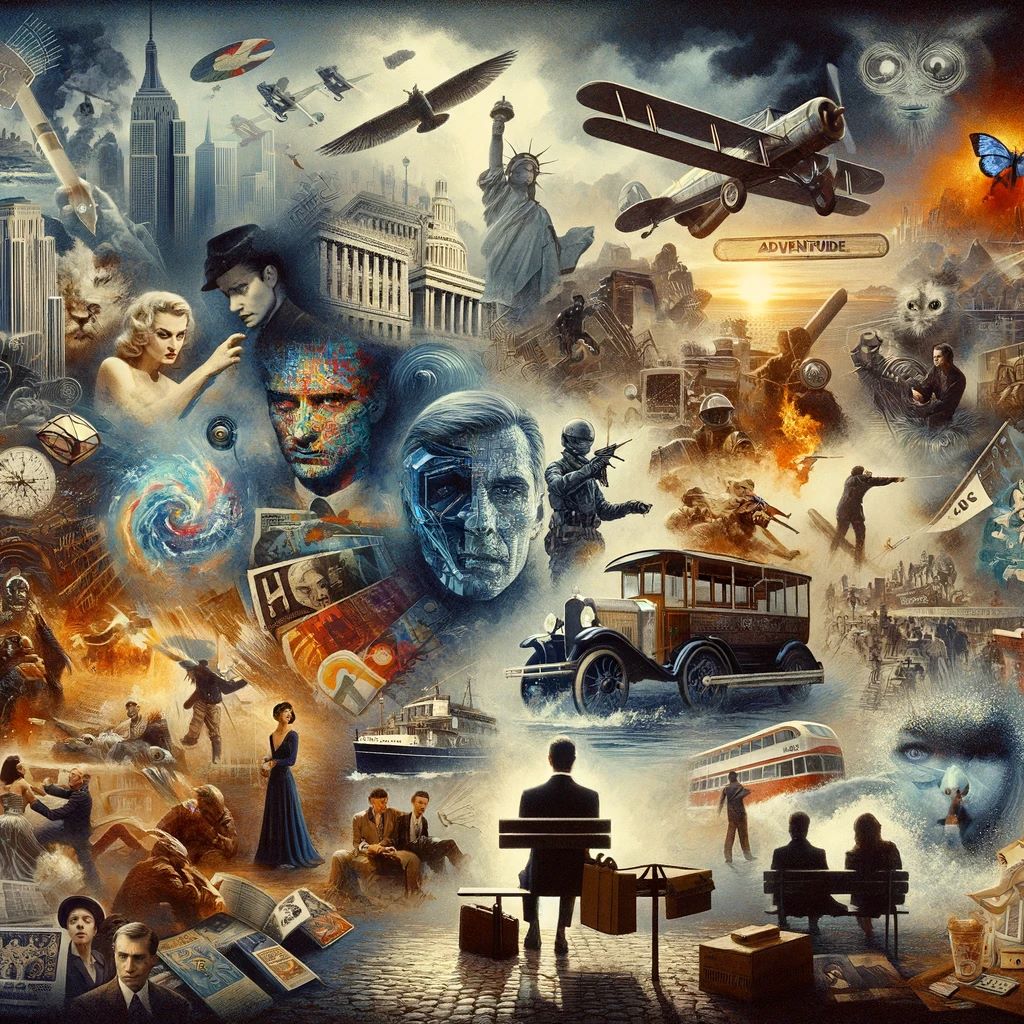
Cinematographic techniques
Cinematographic techniques are tools and methods used by filmmakers to tell stories through visual language. These include aspects such as editing, montage, directing actors, the use of sound and visual effects. These techniques make it possible to create a unique and impactful cinematic experience for the viewer.
Camera and Framing
The camera and framing are fundamental elements in cinematography. The camera makes it possible to capture the images that will make up the film, while framing determines which elements will be present in the scene and how they will be organized. The director of photography is responsible for using the camera and framing creatively to tell the story in a visually impactful way.
Lighting and Colors in Film
Lighting and colors in film are key elements for creating the right atmosphere in a scene. Lighting can convey emotions and highlight important elements, while colors can influence the mood and atmosphere of the film. These elements are carefully selected and used by the director of photography to achieve impactful visual effects and enhance the narrative of the story.
The different lighting techniques, such as natural light, studio light and the use of color filters, make it possible to create different atmospheres and convey different emotions to the viewer. Colors also play an important role in film, as they can evoke particular sensations and symbolize concepts or themes.
The use of specific color palettes can contribute to the perception of a film genre or to the representation of a particular mood. Lighting and colors in film are essential tools that allow filmmakers to create a unique and captivating visual experience for the viewer.
Studying the degree in cinematography
Importance of studying the degree in cinematography
The degree in cinematography is of utmost importance as it provides students with the skills and knowledge necessary to enter the world of film. It allows them to explore creativity, learn audiovisual production techniques and develop visual storytelling skills. Studying cinematography is essential for those who wish to become professionals in the film industry.
Requirements for studying the degree in Cinematography
To be able to study the cinematography degree, certain requirements must be met such as having a secondary education diploma, demonstrating artistic and creative skills, having a great passion for cinema and visual storytelling, and having basic knowledge of audiovisual technology. In addition, some universities and schools may require the submission of a portfolio with previous work in the field of cinematography.

Necessary academic training
The academic training necessary to study the cinematography degree varies according to the educational program and the institution. In general, a secondary education diploma is required to enter a bachelor's degree in cinematography. Some schools may offer associate degree programs or diplomas in this area.
Necessary skills and aptitudes
To study the cinematography degree, it is important to have specific skills and aptitudes. Some of the necessary skills include creativity, teamwork ability, technical knowledge in photography and editing, problem-solving ability and critical thinking. It is also important to have passion for cinema and be willing to learn and adapt to new cinematographic technologies and trends.
Recognized universities and schools to study Cinematography
Some recognized universities and schools to study cinematography are the Escuela Internacional de Cine y Televisión (EICTV) in Cuba, the Universidad del Cine in Argentina, the Escuela de Cine de Valencia in Spain, the Centro Universitario de Estudios Cinematográficos (CUEC) in Mexico, and the New York Film Academy in the United States. These institutions offer specialized study programs and are recognized in the film industry.
Featured study programs
Some of the featured study programs in the field of cinematography include the MFA in Film Directing at the Escuela de Cine de Nueva York, the BA in Cinematography at the Universidad del Cine in Argentina and the Master's in Film Directing at the Escuela de Cine de Valencia in Spain. These programs offer comprehensive and practical teaching in film production.
Available resources and equipment
In the cinematography degree, students have access to a wide range of resources and equipment to develop their skills and projects. These may include filming studios, video recording and editing equipment, professional cameras, lighting equipment, video editing and special effects software, among others. Students may also have access to specialized film libraries, screening rooms and editing suites equipped with cutting-edge technology. These resources and equipment allow students to experiment with and perfect their filmmaking technique.
Career opportunities in the film industry
Career opportunities in the film industry are diverse and exciting. Graduates of the cinematography degree can find work as film directors, screenwriters, producers, film editors, sound designers, directors of photography, lighting technicians and many more. In addition, they can also work in the field of advertising, television and independent film. The demand for trained professionals in this area is high, which provides employment opportunities both nationally and internationally.
Film director
The film director is in charge of carrying out the creative vision of a film. He directs the actors, is responsible for the visual narrative and works closely with the technical team to achieve the desired final result. He is a key figure in the filmmaking process.
Film editor
The film editor is the professional in charge of selecting and assembling the scenes of a film to create the visual narrative. He works in close collaboration with the director to ensure coherence and proper pacing in the final edit of the film.
Featured directors and films
Featured directors and films: There are numerous directors and films that have left their mark on film history. Some examples are Stanley Kubrick and his film "2001: A Space Odyssey", Martin Scorsese and "Taxi Driver", and Steven Spielberg with "Jaws". These directors have demonstrated their talent and skill in telling captivating stories through their cinematography.
Influential directors in cinematography
Some influential directors in cinematography include Alfred Hitchcock, known for his ability to create suspense in films such as "Psycho" and "The Birds"; Quentin Tarantino, recognized for his unique style in films such as "Pulp Fiction" and "Inglourious Basterds"; and Wong Kar-wai, recognized for his visual and narrative aesthetic in films such as "In the Mood for Love". These directors have left a significant mark on the film industry and have inspired future filmmakers.
Iconic films in cinema history
Iconic films in cinema history include "Casablanca" from 1942, "The Godfather" from 1972 and "Citizen Kane" from 1941. These films have left an indelible mark on the film industry and have been recognized for their cultural and artistic impact.
Influence of cinematography on society
Cinematography has had a great influence on society, as films can reflect and address relevant social issues, promote empathy and awareness, and spark important conversations about problems in society.

Cultural and social impact of films
Films have a significant cultural and social impact, as they can influence the way people think, feel and relate to each other. They can spark important conversations about current issues, promote empathy and understanding of different cultures, and help preserve and convey the history and identity of a people. In addition, cinema can also become a form of entertainment and escape for society, providing moments of fun and excitement to viewers.
Advantages and challenges of studying the Cinematography degree
Studying the Cinematography degree offers several advantages, such as the opportunity to develop creative and technical skills in the field of film. However, it also involves challenges, such as facing fierce competition in the industry and the need to work irregular hours and under pressure.
Advantages of studying cinematography
By studying cinematography, you can gain several advantages, such as:
- Development of creative and technical skills in the field of film.
- Possibility of contributing to the creation of unique and original audiovisual works.
- Opportunity to work on exciting projects and with talented teams.
- Possibility of expressing ideas and emotions through audiovisual language.
- Flexibility to work in different roles in the film industry, such as director, screenwriter or director of photography.
- Possibility of exploring different film genres and storytelling styles.
- Opportunity to tell stories and convey powerful messages through film.
Ultimately, studying cinematography can open doors to an exciting and rewarding career in the film industry.
Challenges and sacrifices involved
The challenges and sacrifices involved in studying the cinematography degree can include long working hours, creative pressures, working in adverse conditions, and competition in the field. In addition, it may require constant dedication, being willing to learn and adapt to technological and financial advances in the film industry.
Film as a form of artistic expression
Film is considered a form of artistic expression in which directors have the freedom to create and convey their ideas and emotions through moving images. Using cinematic and narrative techniques, they can tell stories in a unique and captivating way. In film, a wide range of emotions, themes and perspectives can be explored, allowing audiences to experience different forms of art and appreciate the creativity of filmmakers.
Evolution of cinematography over time
Cinematography has undergone a significant evolution over time. From the beginnings of silent film to the incorporation of sound and the development of special effects, technology has advanced allowing new ways of telling stories and captivating audiences.