
Why Study Film?
The answer to this question is as diverse as the movies shown in theaters around the world. Film is an art, a science, and a form of communication that has transcended borders and generations.
It is not simply a form of entertainment, but a powerful tool to provoke change, evoke emotions, and explore the complexity of the human experience. Studying film gives you the unique opportunity to combine visual, sound, and narrative elements to create works that can be both intimate and universal.
Moreover, we are in a golden age of media diversification. The skills you gain in a Film Degree are not only applicable to the big screen, but to a variety of platforms ranging from advertising to documentaries, television series and the growing world of digital content. In a world where visual storytelling is increasingly prevalent, filmmakers have a crucial role to play in how we understand our reality.
Studying film prepares you to be a storyteller, a communicator, and an artist. But, perhaps most importantly, it prepares you to be an active participant in global culture. Film has the power to connect people, regardless of their background, and you, as a filmmaker, have the opportunity to be part of that connection.
So, if you are passionate about telling stories and want to do so on a platform that has a global impact, there is no better time than now to embark on a career in film.
What type of people might be interested in this degree?
If film touches your soul, if you get excited by every shot and every dialogue, if you see yourself analyzing every scene and every angle, then this degree could be for you. It is not just about loving film; it is about feeling a deep connection with the cinematic language, a kind of fluency in how images, sounds, and stories intertwine to create magic on the screen.
Imagine combining your love for the arts with a more humanistic and systematic approach. Here you can immerse yourself in the art of screenwriting, directing, editing, cinematography, sound, and everything else that makes up this rich and complex form of storytelling. If you consider yourself an artist, a philosopher, a technician, or even a bit of each, you will find a home here.
And don't think that everything is strictly technical or theoretical. Film requires keen sensitivity: meticulous coordination between vision and sound, an observant eye for detail, and overflowing creativity to make it all work. You'll need more than just good visual memory; you'll have to understand symbolism, appreciate the abstract, and know how to organize it all into a coherent narrative. In addition, you will be called to be a leader, to be adaptable and respectful of the diverse cultures and heritages that intertwine in this global art.
So, if you see yourself as someone who can balance these multiple skills, if the idea of using diverse techniques and methods to communicate your ideas in impactful ways excites you, then this could be your calling. This could be your medium to contribute to the world's cultural heritage, to make a difference. Why not take the step?
What kind of work does a Graduate in Audiovisual Arts do? What is the scope of the degree?
A film professional will be prepared to carry out an analysis, design and development of specific proposals to improve video production performance, will be able to carry out video production programs, all in a responsible manner committed to society; thus, graduates in Audiovisual Arts will be able to develop and improve audiovisual media according to the needs and development of regional, national and global culture.
The film graduate will be trained to work as an advisor in the introduction and creation of projects involving multimedia and audiovisual materials.
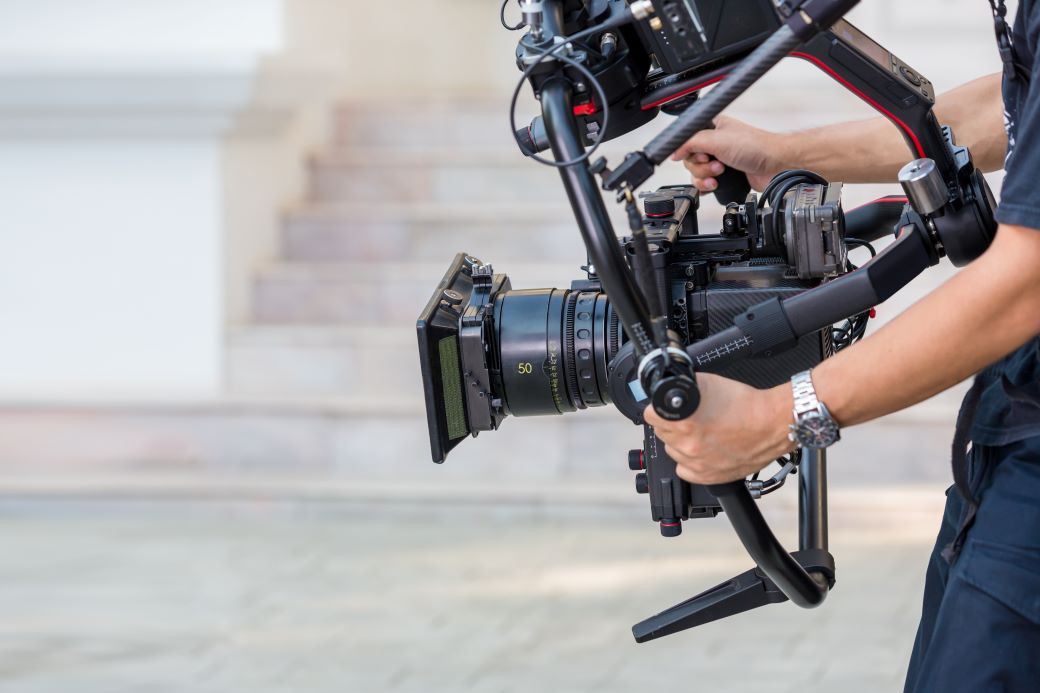
In which sectors are film professionals needed?
They will be able to work in any media, whether film, radio, video or television.
Graduates of the film degree can also work in the areas of education, culture or scientific research and dissemination of knowledge.
In addition, audiovisual media have been integrated into classrooms as an important teaching resource.
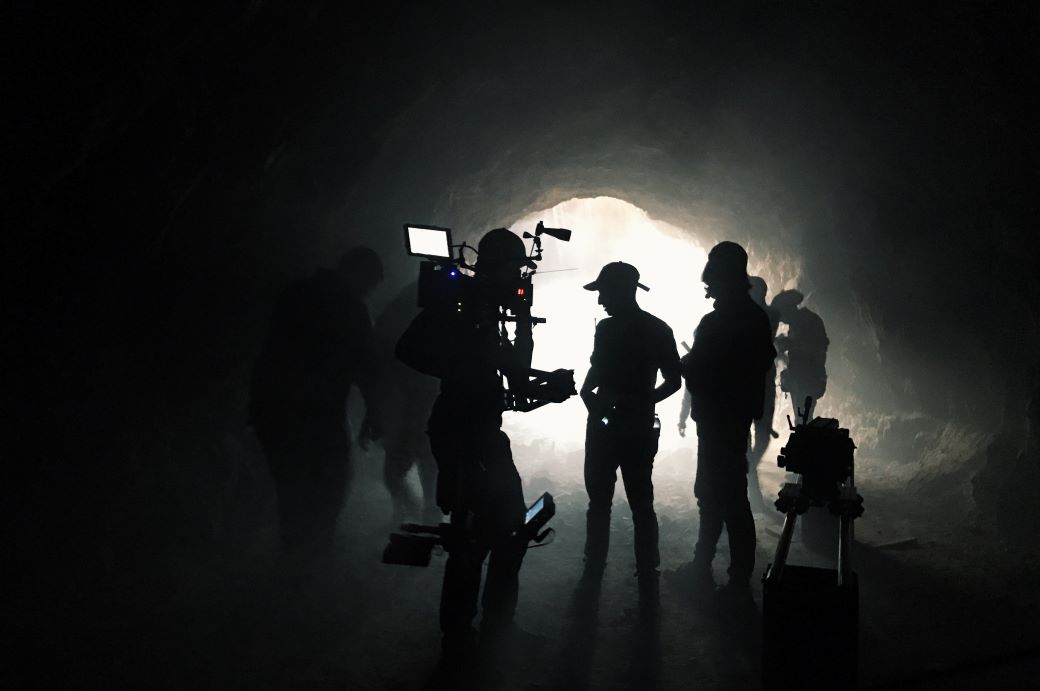
At which universities can I study the Bachelor's in Film?
The most famous film schools are: The New York Film Academy in Nueva York, EE.UU, the Centro Universitario de Estudios Cinematográficos in Mexico, the Escuela Internacional de Cine y Televisión in Cuba, LA FEMIS: La fémis, Ecole Nationale Supérieure des Métiers de l'image et du son in France, the Escuela Louis Lumière in France, the American Film Institute in Los Ángeles, EEUU. In Spain: the Escuela Universitaria de Artes y Espectáculos, Centro d´Estudis Cinematogràfics de Catalunya, ECAM, the Universidad Camilo José Cela (UCJC), the Escuela Nacional de Cine in Distrito Metropolitano de Caracas, Venezuela, etc.
Studying film is not simply a path toward a career; it is an invitation to become a storyteller, an artist, a technician, and a leader all in one.
It is a way of life that allows you to explore the full spectrum of the human experience, from the emotional to the intellectual, and communicate it in a way that touches people at their very core. If you feel that spark, that calling, don't ignore it.
Here is an opportunity not only to follow a passion, but to shape tomorrow's cultural world with your unique vision. Why study film? Because film has the power to change lives, and you could be the next catalyst for that change.