What is the degree in Environmental Engineering?
If you want to be part of the transformation of the world toward a greener and more sustainable one, you may be thinking about studying environmental engineering, as it will allow you to become a professional capable of managing environmental aspects through the integration of science and technology.
What is the Environmental Engineering degree about?
First, we must know that industrial, economic and social activities have influence and impact on the environment, since their activities or processes in one way or another generate a change in its natural state.
Consequently, global environmental policies have been developed over the last 30 years, which aim to considerably reduce the impact that these activities generate on the environment, to leave a better future for the next generations.
The first thing we have to know about Environmental Engineering is that it is a branch of environmental sciences, which studies the planet's problems in a scientific, economic and technological way, with the aim of promoting sustainable development.
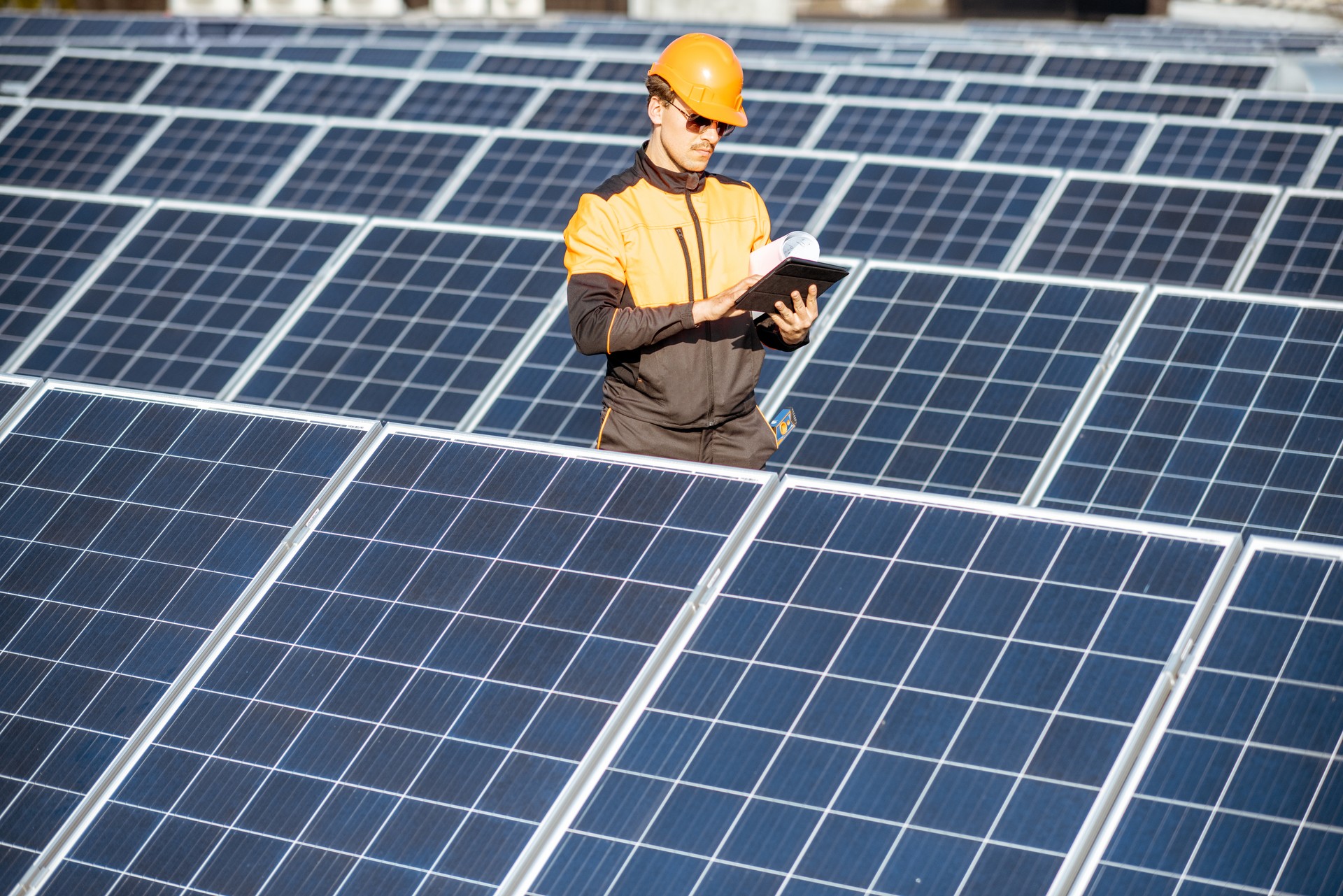
Studying this engineering leads to the acquisition of knowledge in various areas, such as chemistry, biology, physics, mathematics, geology, ecology, as well as social, economic and technological studies. Which will require great effort and dedication from you.
Environmental engineering professionals are responsible for designing, planning, executing and controlling processes, products, services and projects that reduce environmental impact in general, for sustainable development and a better quality of life for humanity.
The study and practice of Environmental Engineering in today's world is valuable because these professionals are responsible for:
- Plan the sustainable use of the environment.
- Propose environmental policies and laws.
- Prepare environmental impact studies.
- Diagnose and evaluate environmental aspects.
- Supervise environmental processes.
- Propose immediate solutions to environmental problems.
- Plan and develop innovative techniques, processes, products and services to improve the environmental future of our planet.
The Environmental Engineer has a broad field of work, they can carry out their work in state institutions, private ones, nonprofit organizations, independently as a consultant or in higher education institutions.
The study and practice of environmental disciplines are in full development since we are in the midst of a global ecological crisis. Therefore, this degree is considered by many people as a career with a great future.
It is important to know that environmental engineering was born in Spain to train professionals through the generations, who can be capable of achieving positive changes to the environment, thus guaranteeing sustainability.
If you want to be part of something big, we inform you that Spain stands out in Europe as one of the countries that has best implemented environmental measures, and one of those that has invested the most resources in it.
As sustainable development experts point out, environmental engineers are the leaders of change, in charge of putting an end to decades of pollution and uncontrolled exploitation of natural resources.
Profile of the applicant to study Environmental Engineering
Studying environmental engineering requires a lot of preparation, as we previously described, it is a degree based on science, economics, society and technology, which are elements that are present in the study program.
So, to position yourself as a successful student in this area it is desirable to have some specific skills and competencies, however, don't be afraid, you can develop many of them along the way.
The main skills an environmental engineering student should have:
Environmental awareness One of the main characteristics that define an environmental engineer is love for the environment, and their drive to improve its conditions, in order to leave a better planet for future generations, if you feel it, you are in the right place.
Affinity for science If you are interested in this degree you must have a certain fondness for science, since you will face different challenges from start to finish in areas such as mathematics, physics, chemistry and biology, among others, and they will be part of your day to day.
Effective communication Communication is one of the most important skills, you must demonstrate ability to share information and knowledge effectively, as well as ideas and thoughts. Empathizing with people will be important to carry out the activities.
Teamwork In this field there is a lot of teamwork, so the environmental engineer must be a cooperative person, have a good attitude and be open to other people, since there will surely be many goals to achieve together.
Responsibility to society The environmental engineer must have that frequent feeling of responsibility to society, and have at its core one of the main objectives of environmental management, which is to provide well-being and quality of life to all living beings.
Ability to identify and solve problems The environmental engineer constantly faces many challenges and adversities, so it is important to have a good attitude toward them. As we know, one of the engineer's main responsibilities is to solve problems, so you will need to prepare yourself and keep that in mind.
Frequently asked questions about the Environmental Engineering degree
How long is the degree?
The environmental engineering degree in Spain at its various universities takes 4 years of study. There are universities that offer double degrees together with environmental engineering; at this type of university, the study time is 5 years.
How much does it cost to study Environmental Engineering?
Likewise, each university sets its own costs, so it varies, which is why we will show you some examples:
- Universidad del país vasco EHU 1.186 euros per year.
- Universidad politécnica de Catalunya 1.660 euros per year.
- Universidad Rey Juan Carlos de Madrid 1458 euros per year.
As we can see from these examples, the average annual cost would be 1400 euros; it should be noted that this degree is obtained at public universities.
What cutoff grade do I need to get into Environmental Engineering?
The cutoff grade varies according to the requirements set by the university; the highest to study Environmental Engineering is 6.61 at the universidad Rey Juan Carlos de Madrid, while the lowest cutoff grade is offered at the universidad politécnica de Catalunya, which is 5.00.
General subjects in the Environmental Engineering degree
The main subjects that make up the degree in Environmental Engineering are: Mathematics, Physics, Chemistry, Biology, Geology, Fluid Engineering, Thermal Engineering, Computer Science, Statistics, Materials Engineering Science, Process Control, Treatment Process Engineering, Pollutant Transport, Analysis Techniques and Land Use Planning, Environmental Management Systems, Environmental Impact Assessment, Environmental Design of Processes and Products, Projects in Environmental Engineering, Language, Business, Law, Energy Resources and Environment, Environmental Assessment in Industry, Life Cycle Analysis and Clean Technologies.
Career opportunities for Environmental Engineering graduates
Graduates with a degree in environmental engineering have a varied job field, with many options, including public and private companies, non-profit institutions, or independent consulting work.
Some of the most notable examples include environmental management specialists, for public and private companies, environmental process auditors, consultants or advisors, teachers or professors, environmental quality managers, environmental design and research.
What is the salary of someone with a degree in Environmental Engineering?
According to Forbes magazine, based on a jobtalent study, the average salary of an environmental engineer in Europe is around 46,000 euros per year. The glassdoor website states that in 2021 the environmental engineer salary is 48,877 euros per year in Spain.
An analysis carried out last year showed that the average salary of a junior environmental engineer is 1,500 euros per month, placing Spain slightly below the European average.
How can I know if Environmental Engineering is the right degree for me?
It is important to evaluate your strengths and weaknesses, you should ask yourself whether or not you have the previously presented skills, love for the environment and science, as well as the desire to do your part for a better world, while working in an area you are passionate about.