
Materials Engineering
Whether developing a new type of unbreakable glass phone screens or a heat-resistant compound to support space mission equipment, materials engineers have their fingerprints on every innovation in the industry.
What is materials engineering about?
The materials engineer develops new products and improves existing ones. While the materials scientist focuses on their structure and properties, the engineer applies this knowledge to create new items. Both specialize in a primary material, such as ceramics, glass, metal or semiconductors.
Materials engineers select materials for specific products and develop new ways to use existing ones, continuously designing improvements. They also prepare proposals and budgets, analyze labor costs and may supervise technologists and technicians.
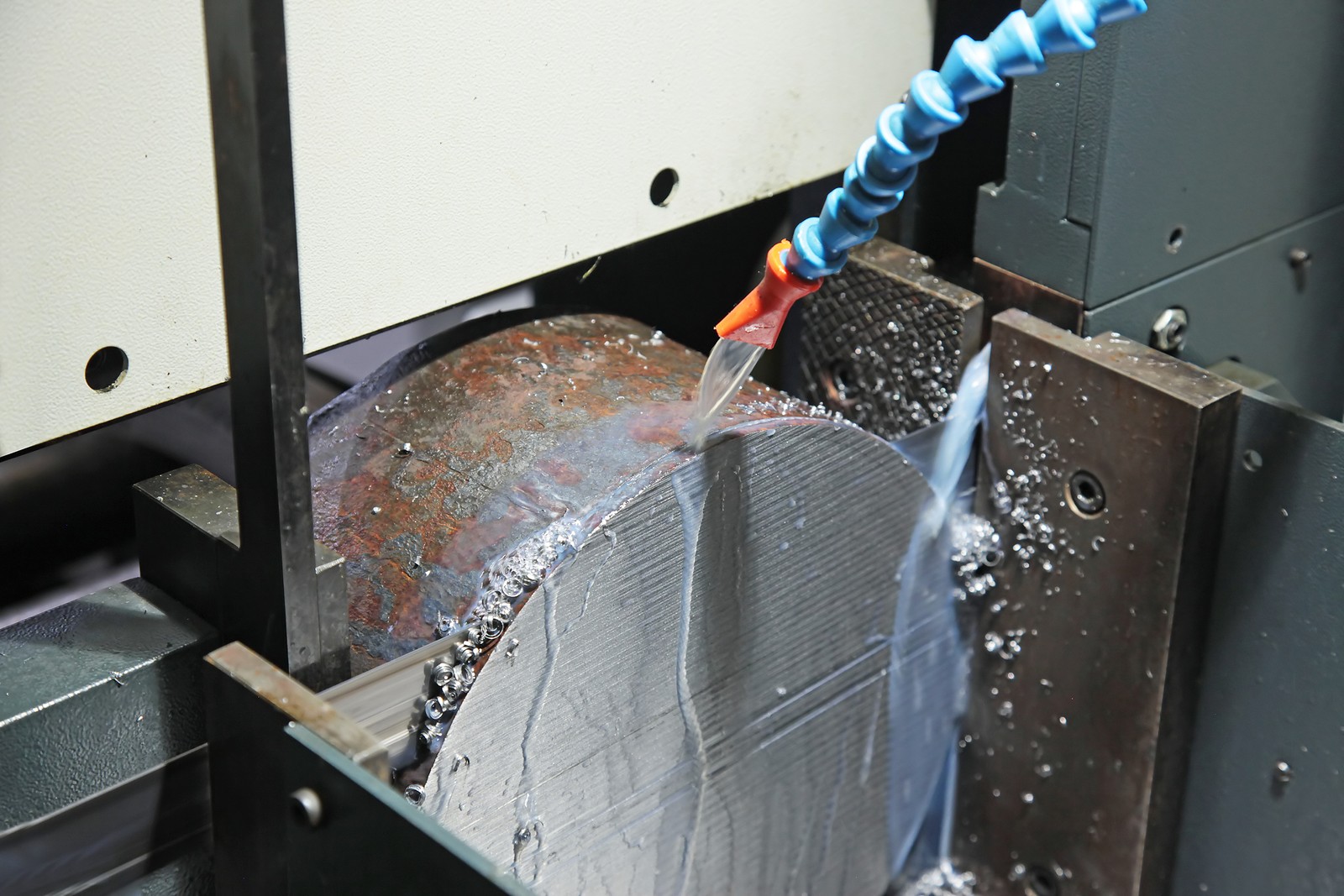
These professionals evaluate materials and develop machinery and processes to manufacture them and then use them in products that must meet specialized design and performance specifications. They also develop new uses for known materials.
These professionals partner with other specialists and generally work in offices, manufacturing facilities or research and development laboratories.
A graduate degree allows a materials engineer to work as a university-level professor or conduct research and development.
Some of the positions a materials engineer can hold are: extrusion engineer, materials development engineer, materials engineer, materials research engineer, materials specialist, metallurgical engineer, process engineer, research engineer and test engineer.
What is the profile of a materials engineer like?
Anyone aspiring to study materials engineering must have numerical skills and be passionate about physics, since this professional must have a solid background in both subjects. But they must also feel drawn to materials science, since, once graduated, they will have to work with metals and their alloys, ceramics, polymers and composite materials.
In addition to all of the above, the materials engineer must have knowledge of management, general accounting, finance and ecology.
Other valued qualities to be a materials engineering professional are perseverance, initiative and good work habits, as well as resourcefulness and a very good memory.
Those who wish to study materials engineering should also:
- Know how to work as a team
- Prevent and solve ecological problems
- Be leaders in their field
- Be entrepreneurs
- Know how to relate to others
- Have communication skills
- Have knowledge of another language(s)
How long is the degree?
To obtain the degree in materials engineering you need to complete 240 study credits completed over four years of the degree.
How much does it cost to study materials engineering?
Studying materials engineering can cost as much as €2,551, which is the price of the first year at the Universitat Politècnica de Catalunya, or as little as €757 for the Universidad de Sevilla and the Universidad de Jaén.
What cutoff grade is needed to study materials engineering?
The required cutoff grades to study materials engineering are:
- Universidad Complutense de Madrid - 5.626
- Universidad Politécnica de Madrid - 5.449
- Universitat de Barcelona - 5
- Universidad de Sevilla - 5
- Universidad de Salamanca - 5
- Universitat Politècnica de Catalunya - 5
General subjects in materials engineering
Some of the subjects studied in the materials engineering degree are:
- Calculus
- Fundamentals of Computer Science
- Fundamental Mechanics
- Chemistry
- Graphic Expression
- Ceramic Materials
- Metallic Materials
- Numerical Methods
- Machine Theory
- Electrical Engineering
- Natural Materials and Biomaterials
- Statistical Techniques for Quality
- Thermodynamics
- Physical Metallurgy
- Strength of Materials
Career opportunities and salary
Once you have obtained your degree in materials engineering, you can work in any company involved in the production and transformation of materials. We are talking about industries such as automotive, construction, electronics, metallurgy and chemicals.
You can also develop in university teaching and in the area of research.
The average salary in Spain for a newly graduated materials engineer is €1,800, that is, about €21,600 per year.
How do I know if this degree is for me?
If you are a person with critical reasoning, who likes science and innovation, who is attracted to computing, likes to solve problems and feels a special sensitivity for the environment, this could be an excellent study option for you.
Remember what we said earlier in the materials engineer profile section. You must be a consistent, persevering person, with tolerance, ingenuity and good work habits.
In addition to all of the above, sensitivity to the environment and recycling are also highly valued in this degree, so keep that in mind when choosing your professional future.