
Digital Product Designer
In the digital age, the synergy between music, advertising, technology and design has given rise to a vibrant and dynamic field. At the epicenter of this convergence is the Digital Product Designer, a multifaceted professional who fuses creative, technical and strategic skills to shape memorable digital experiences.
What does a Digital Product Designer do?
In the field of advertising, the digital product designer plays a crucial role by integrating music as a central element of the visual narrative.
From creating advertising campaigns to designing interactive interfaces, selection and sound design become powerful tools to evoke emotions, connect with audiences and boost brand impact in an environment saturated with stimuli.
In the field of technology, the digital product designer positions themselves as an agent of innovation, leveraging the latest trends and tools to develop immersive and accessible musical experiences. Whether in the creation of mobile apps for music production or in the design of streaming platforms, their holistic vision and ability to integrate music with technical functionality are essential to delivering digital solutions that transcend user expectations.
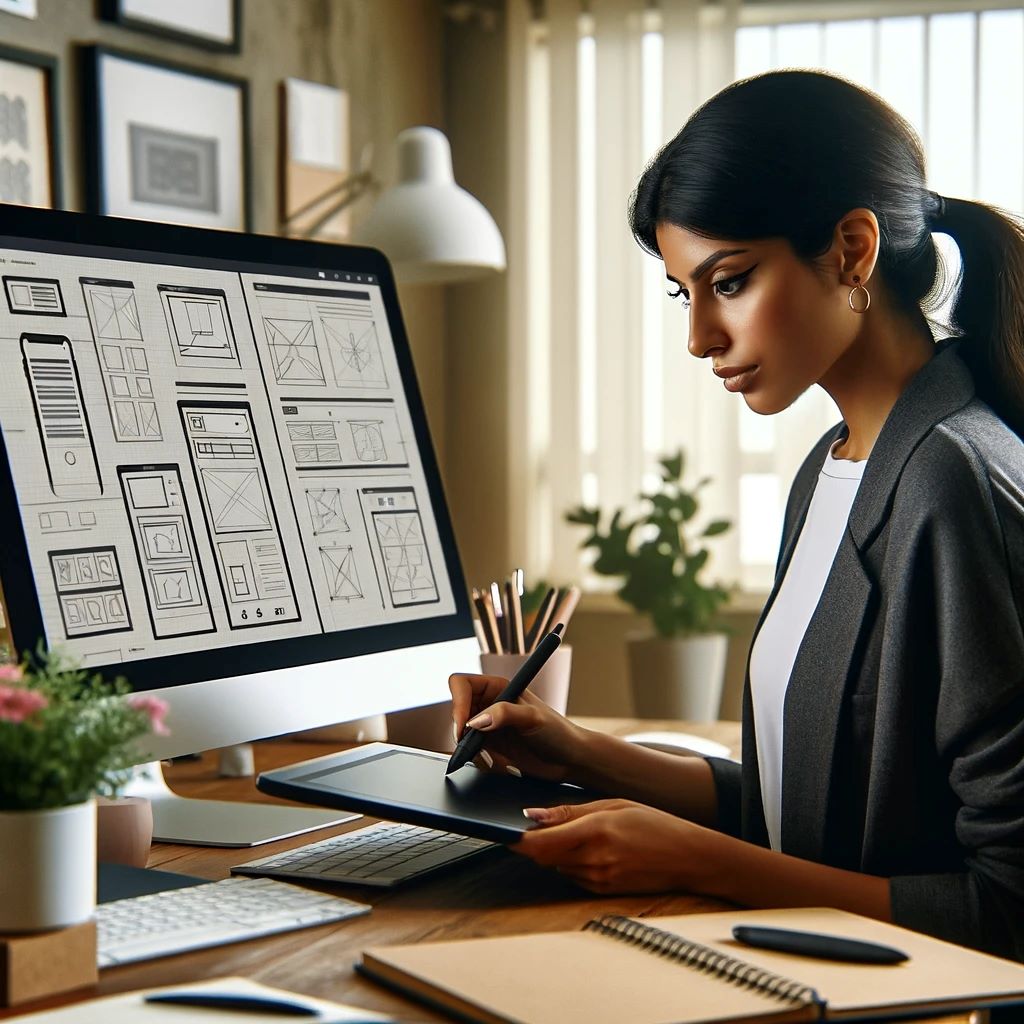
In the field of design, the digital product designer plays a fundamental role by fusing aesthetics with functionality, creating intuitive and attractive interfaces that enhance the user experience.
From website design to creating user interfaces for music editing software, their user-centered approach and ability to combine visual and musical elements are essential to building digital products that captivate and delight users.
The digital product designer holds a privileged position at the intersection of degrees in advertising, technology and design. Their ability to integrate music in a creative, technical and strategic way into the design of digital experiences makes them an indispensable player in the creation of innovative and engaging digital solutions in an increasingly digitized world focused on user experience.

What are the skills and knowledge needed to be a digital product designer?
To be a digital product designer, you need technical skills in graphic design, experience in UX/UI (user experience/user interface), knowledge of interaction design and skills in programming. In addition, it is important to have knowledge of user research, data analysis and effective communication skills.
The ability to work as part of a team, adapt to change and stay up to date with design trends are also crucial to succeeding in this career.
What do you study to be a digital product designer?
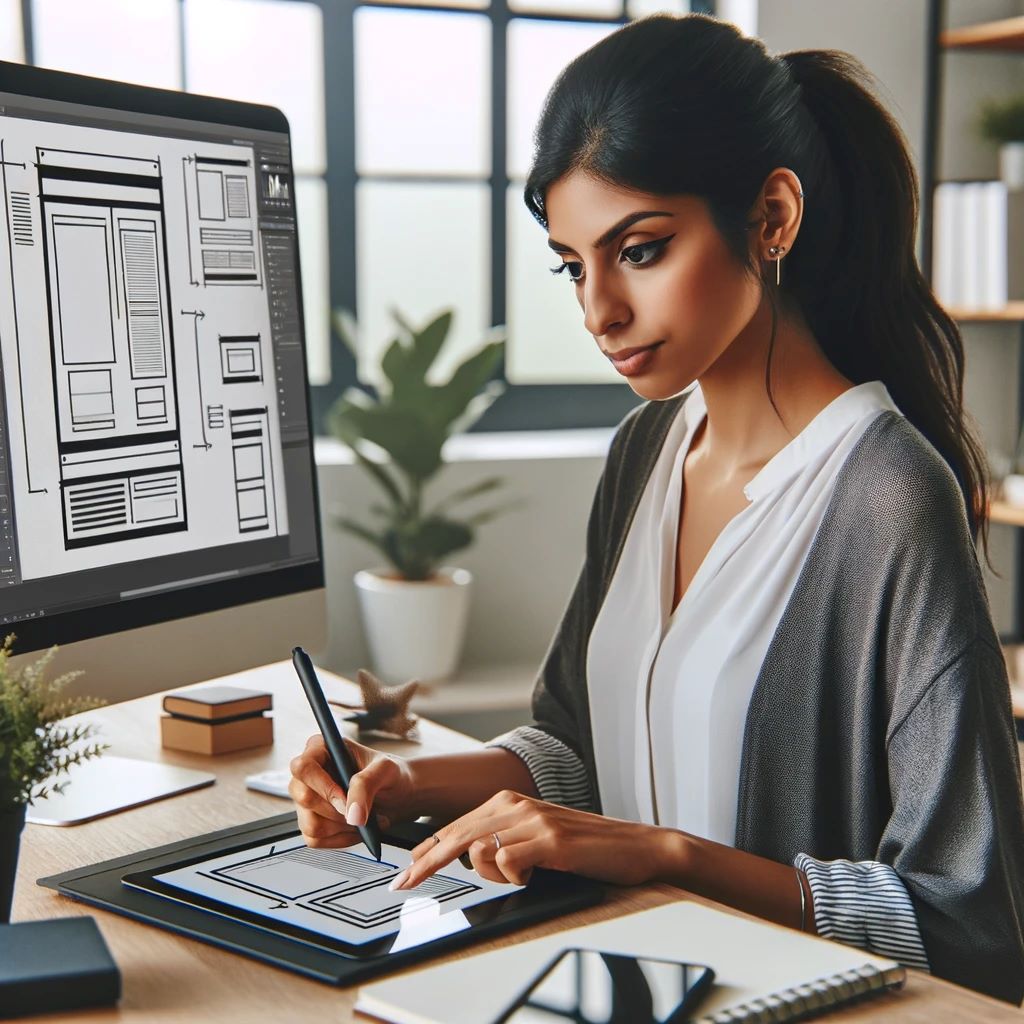
To be a digital product designer, you usually study a combination of graphic design, interaction design, usability, programming and technology knowledge, you can follow several educational paths that provide you with the necessary skills, some common options:
Graphic Design or Interaction Design: Earning a bachelor's degree or a degree in graphic design, interaction design, user experience (UX) design, or user interface (UI) design can give you a solid foundation in the fundamental principles of design and visual aesthetics.
Programming and Web Development: Learning programming languages like HTML, CSS, and JavaScript can be invaluable for a digital product designer, as it will allow you to understand how designs are built and implemented in digital environments.
User Research and User Psychology: Understanding users' needs and behaviors is crucial in effective digital product design. You can study user psychology, and user-centered design to learn how to conduct research, usability testing, and create experiences that meet users' needs.
Project Management and Collaboration: Learning about project management, agile methodologies, and team collaboration will help you work effectively in digital product development environments, where collaboration and communication are key.
It is also important to have skills in user research, user-centered design and data analysis. In addition to academic training, it is essential to gain practical experience through projects and professional internships.
What tasks does a digital product designer perform?
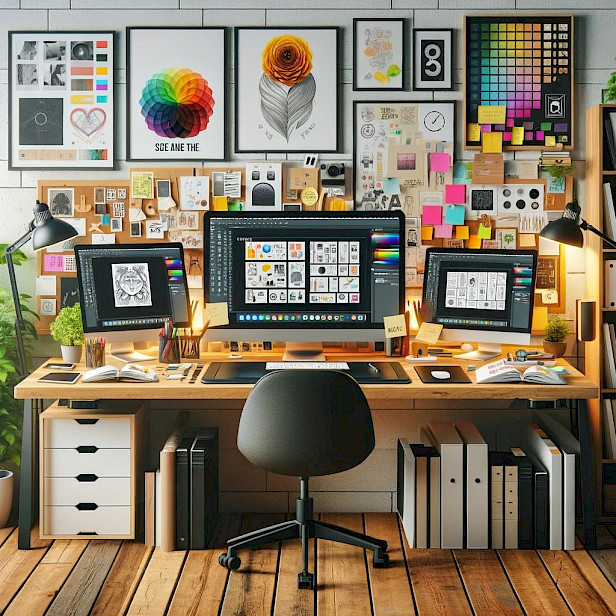
A digital product designer performs tasks such as user research, prototyping, visual design and optimizing the user experience. They are also in charge of conducting usability testing, iterating designs based on feedback and working closely with developers and other team members to ensure that the final product meets the user's goals and needs.
What professionals does a Digital Product Designer work with?
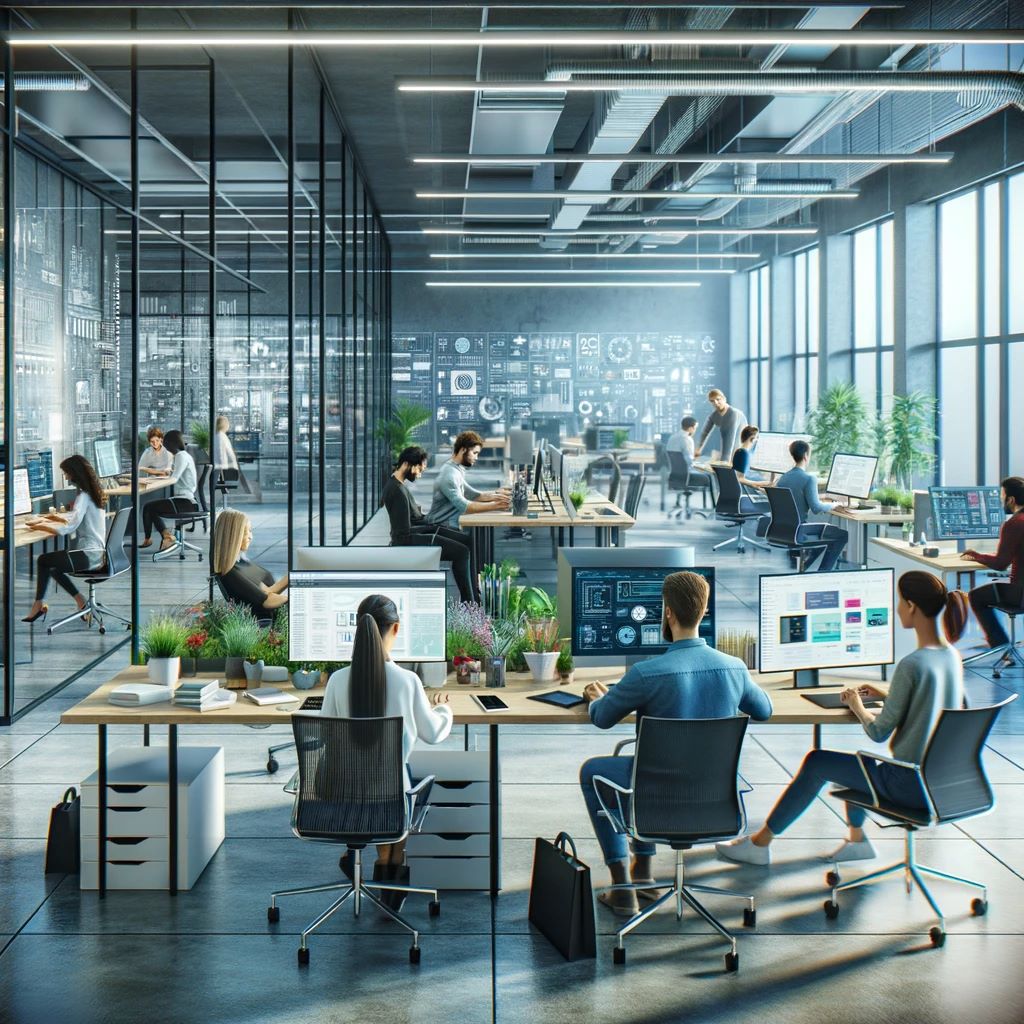
A Digital Product Designer works with professionals such as software developers, experts in user experience (UX), specialists in digital marketing, software engineers, project managers, data analysts, and sales and customer service teams.
These professionals collaborate closely to create and improve digital products, ensuring they meet business objectives, are easy to use, visually appealing and offer a positive experience for users.
What are the most common challenges a digital product designer faces and how do they address them?
Digital product designers face a number of challenges in their daily work. Here are some of the most common challenges and how they can address them:
Understanding user needs: One of the most important challenges is understanding the needs and desires of users. Designers can address this challenge by conducting thorough user research, including interviews, surveys and usability testing. They can also use tools such as empathy maps and customer journey maps to better understand users' experiences and pain points.
Creating a consistent user experience: Maintaining consistency in the user experience throughout the product can be difficult, especially in large teams or long-term projects. Designers can address this challenge by establishing and following design guidelines, creating design libraries and reusable components, and collaborating closely with other team members, such as developers and product managers.
Designing for multiple devices and platforms: With the proliferation of devices and platforms, designers must ensure that their designs are accessible and work well across a variety of devices and screen sizes. Designers can address this challenge by using responsive and adaptive design approaches, and by regularly testing their designs on different devices and browsers.
Keeping up with emerging trends and technologies: Technology and design trends are constantly evolving, so designers must strive to stay up to date on the latest tools, techniques, and methodologies in digital design. This may include attending industry conferences and events, participating in continuing education courses, and following relevant online blogs and resources.
Managing feedback and iterations: Receiving feedback from users and stakeholders and managing iterations in the design can be a challenge, especially when there are divergent opinions. Designers can address this challenge by maintaining open and transparent communication with all stakeholders, prioritizing feedback based on data and objectives, and conducting frequent usability tests to validate and improve their designs.
Digital product designers can address these challenges through a combination of thorough research, effective collaboration, continuing education, and adaptation to new technologies and design trends.
The role of a Digital Product Designer is crucial and constantly evolving within the technology industry.
This multidisciplinary position requires a deep understanding of user needs, market trends, and technical capabilities to create innovative and user-friendly digital products.
As technology continues to advance, the role of Digital Product Designer will become increasingly important, making it a highly sought-after and rewarding career for those with a passion for creativity and problem-solving.