
Organize the services a sports facility needs
The services of a facility support its daily use. Cleaning, maintenance, assistance and other support need coordinated schedules and managers. Managing the whole is different from performing each technical job.
The work covers organizing cleaning, building maintenance, food service and assistance to participants in sports facilities.
From the initial request to the actual work
A center hosts classes during the day and a meet in the afternoon. Coordination organizes services so that changes of use can take place and communicates needs to providers. Afterwards it reviews incidents and confirms that the agreed tasks have been completed.
Tools and knowledge put into practice
Service schedules, work orders and incident logs help coordinate. Agreements with suppliers must make clear what is delivered and how it is reviewed. Operational information needs to flow among those responsible.
Supplier management. Selecting, hiring and supervising external companies or providers.
Facility safety. Identifying risks and maintaining conditions for the use of buildings and equipment.
Event operations. Coordinating setup, schedule, staff, suppliers and service at a venue.
Careers and teams that take part
Sports manager. Plans resources, programs, events, business relationships and institutional processes within sports organizations.
Facilities technician. Performs maintenance and support for infrastructure, equipment and facilities within their technical specialty.
Organizations and services it works with
Event organizers. Hire venues, technical services, staff, communications and logistics to run competitions.
Manufacturers and distributors. Produce and sell implements, materials, footwear, clothing and accessories for different sports.
Tourism providers. Organize travel, camps, accommodation and recreational activities linked to sport.
Professional firms and services. Provide legal, accounting, administrative, engineering and risk management advice.
Security and emergency services. Support incident prevention and coordinated response at venues and events.
What you can study to move closer to this activity
Business Administration
Business Administration. Provides knowledge for organizing resources, people, and processes. The sports context requires understanding how the organization works. Review operations, planning, and budgeting projects, as well as subjects with sector-specific guidance.
Logistics
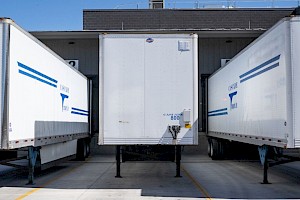
Logistics. Covers coordination of materials, storage, and movements. In sports projects it relates to venues, teams, and suppliers. Compare process analysis with other management or participant support functions.
Industrial Engineering
Industrial Engineering. Lets you study how production and service processes are organized and improved. In sports it can relate to equipment or operations. Compare quality, logistics, and organization projects with product development.


How to compare your interest with training
If you enjoy sustaining day-to-day organization, compare Business Administration, Logistics, and Industrial Engineering. Review internships related to operations and services. Maintenance trades also require specific preparation for their specialty.
Management requires distinguishing general coordination from specific professional tasks. Providing legal advice, providing health care, or carrying out certain technical interventions requires its own preparation. A person who organizes should not assume they can perform every function at the event.
Where to study and what to check before choosing
Compare institutions that offer Business Administration and review the curriculum, internships, and scope of the degree. The name of a sports guidance alone does not tell you what you will learn. Also ask about admission requirements and hands-on work experience.
 Universidad Mayor de San Andrés (UMSA)La Paz · Public
 Universidad de Chile (UChile)Santiago · Public
 Universidad Nacional de La Plata (UNLP)La Plata · Public
 Universidad Nacional de Cuyo (UNCUYO)Public
 Universidad del Salvador (USal)Ciudad Autónoma de Buenos Aires · Private
 Universidad Autónoma de Baja California (UABC)Mexicali · Public
 Universidad Autónoma de Aguascalientes (UAA)Aguascalientes · Public
 Universidad Nacional de La Matanza (UNLaM)San Justo · Public
Distinguish an initial degree from training that requires previous studies. Names and conditions vary by country and institution. If you find a course, a license, a specialization, or a complementary cycle, check what certificate it awards and who it admits.
Collaborate with people and organizations from other countries
Designing or maintaining facilities in another country requires studying local conditions and responsible teams. Previous experience can provide questions, but it does not replace reviewing the site, the uses, and the corresponding technical framework.
Related activities to keep exploring
- Prepare a venue to host a competition
- Keep sports facilities in usable condition
- Coordinate the transport of sports teams and equipment
Connect this path with working behind clubs, tournaments and sporting events and with sports degrees.