
Managing a club's communication and marketing
The communication of a club connects identity, services and relationships with different audiences. Marketing adds questions about needs and commercial proposals. Not every message seeks the same thing nor can it be evaluated with the same measure.
The work covers the design of campaigns, content and communication with communities of members and followers to develop the identity of an organization.
From the initial request to specific work
A club prepares the opening of an activity and must inform members, families and potential participants. The team studies what each audience needs to know and coordinates content with those who manage registrations. Afterwards it reviews whether the communication resolved inquiries and corresponded to the available service.
Tools and knowledge put into practice
Communication plans, content calendars and inquiry records help coordinate. Audience analysis makes it possible to contextualize results. Publishing frequently does not by itself prove that a proposal is understood.
Sports marketing. Applying value, brand and commercial relationship strategies to the sports environment.
Commercial communication. Presenting offers and benefits with clear, relevant and verifiable messages.
Audience analysis. Interpreting profiles, interests and audience response to improve communication and products.
Careers and teams that participate
Marketing specialist. Designs and evaluates brand, community, commercial activation and sport-related campaign strategies.
Communicator. Plans messages, content and links with audiences of organizations, events or sports projects.
Organizations and services it relates to
Manufacturers and distributors. They produce and market equipment, materials, footwear, garments and accessories for different sports.
Brands and sponsors. They finance or collaborate with activities in exchange for agreed rights and commercial deliverables.
Media and production companies. They develop content, coverage and sports communication services for audiences.
Representation agencies. They connect people, teams, brands and commercial opportunities under specific agreements and rules.
What you can study to get closer to this activity
Marketing
Marketing. It allows you to study audience needs and the development of commercial proposals. In sports it can be related to clubs, services and sponsorship. Review research, planning and evaluation, as well as communication formats.
Sports Journalism
Sports Journalism. It focuses on producing information about sports. Review work with sources, interviews, writing and live formats. Its informative objective must be distinguished from an organization's commercial communication.
Business Administration
Business Administration. It provides knowledge to organize resources, people and processes. The sports context requires understanding how the entity works. Review operations, planning and budgeting projects, as well as subjects with sector guidance.

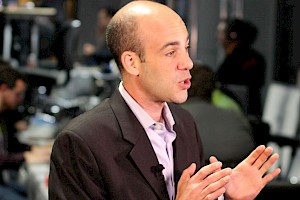

How to compare your interest with the training
Compare whether you are interested in communicating information, developing campaigns or managing services. Marketing and Sports Journalism have different objectives although they use similar formats. Review audience research and planning in the programs.
Informative content, institutional communication and commercial agreements have different objectives. It is also necessary to understand the conditions for access and use of materials. Review responsibilities and agreements before attributing the same function to different profiles.
Where to study and what to check before choosing
Compare institutions that offer Marketing and review the curriculum, internships and scope of the degree. The name of a sports guidance alone does not tell you what you will learn. Also ask about the admission requirements and the experience of practical work.
 Universidad del Salvador (USal)Ciudad Autónoma de Buenos Aires · Private
 Universidad Autónoma de Baja California (UABC)Mexicali · Public
 Universidad Autónoma de Aguascalientes (UAA)Aguascalientes · Public
 Universidad Nacional de La Matanza (UNLaM)San Justo · Public
 Universidad de Palermo (UP)Ciudad Autónoma de Buenos Aires · Private
 Mausi Sebess Escuela de CocinaVicente López · Private
 Universidad Abierta Interamericana (UAI)Ciudad Autónoma de Buenos Aires · Private
 Universidad de Bogotá Jorge Tadeo Lozano (UTadeo)Bogotá · Private
Distinguish an initial degree from training that requires previous studies. Names and conditions change by country and institution. If you find a course, a license, a specialization or a complementary cycle, check what certificate it awards and who it admits.
Collaborating with people and organizations from other countries
Competitions and their content can reach audiences in different places. Production must coordinate language, schedules, and conditions for using the material, as well as understand the needs of each audience.
Related activities to keep exploring
- Develop proposals for sports club members
- Become a sports journalist and tell stories beyond the result
- Get sponsors and develop sports partnerships
Connect this path with working in journalism, content, and sports brands and with sports degrees.