Sports degrees
Physical Education, Kinesiology, Nutrition, Sports Journalism y Marketing are paths to get closer to sports from different interests. You can also explore event organization, design, technology or management. The choice depends on what you would like to learn and do.
Think about whether you enjoy teaching a technique, understanding movement, reporting what happens in a game, organizing a tournament or analyzing its data. Your interest in sports can connect with activities inside and outside physical practice.
What sports degrees have in common
They share a field of application, but their subjects and responsibilities are different. Some prioritize teaching and bodily practice; others, health sciences, organization, communication or technical projects. School sports, inclusion, recreation and competitions raise different questions.
The choice becomes more concrete when you distinguish which part of a sports activity you want to learn to solve: how to teach a movement, support health, organize a competition, report what happens or build the tools that are needed.
When comparing programs from Argentina, Mexico, Colombia, Spain or other countries, check the degree name, the subjects and the internships. An initial degree, a course in a discipline and a later specialization can respond to different goals, even if they share the word “sport”.
A sports day brings together jobs that connect before, during and after the competition. Preparing a training session, assisting participants, maintaining a field or producing a broadcast involves different decisions. Understanding those tasks helps move from interest in a sport to a choice of studies.
Teaching sports and training those who coach
Learning to practice and learning to teach
If you are interested in observing how another person learns, teaching sports raises specific questions. How do you explain a movement? What exercise lets you practice it? What should you change when an instruction is not understood? Teaching a sport from the very first steps requires turning what you know into learning experiences. In sports training and development schools, that work continues with groups that need to consolidate or deepen their practice.
Over time, other responsibilities appear. Spotting talent and supporting its development involves following processes and talking with those involved in them. Training future instructors shifts attention toward those who teach, their way of planning, and their ability to review a session.

Preparing a season and understanding progress
Training connects goals with decisions that are reviewed during a season. Planning the work of athletes and teams requires linking sessions, schedules, and progress. Teaching technique and tactics focuses on how movements are performed, situations are interpreted, and actions are coordinated.
To check whether a plan works, you need to assess how each athlete progresses and understand what information a test or an observation provides. Balancing effort and recovery involves follow-up between sessions and communication with other professionals. An interest in competing can bring you closer to this field, but the work also requires recording, explaining, and justifying decisions.
Teaching at school and engaging with the community
Teaching changes with context. Studying Physical Education to teach at school means taking an interest in educational goals and group participation. Bringing sports to neighborhoods and communities also requires understanding what makes it easier or harder to sustain an activity: schedules, spaces, materials, and ties with local organizations.
Other paths focus on supporting physical activity for adults or coordinating games, recreation, and sports camps. The plan needs to be adapted to the participants, their experiences, and the conditions in which it takes place.
Researching and continuing to train professionals
If you are drawn to asking questions and comparing explanations, you can explore what it means to research how we move and play sports. Research also helps assess whether a sports program meets its goals, for example by studying its continuity or the experiences of those who take part.
Knowledge production involves teaching sports and physical activity at the university and training professionals already working in the sector. These are paths that may require prior education and experience; they should be distinguished from entry options right after school.
Programs for teaching, coaching and research
A sports session starts before stepping onto the field: you have to decide what the group will learn, choose activities and adapt the level of difficulty. Physical Education lets you explore that link between movement and learning, from introductory levels to programs for different ages and abilities. The work of the sports teacher includes explaining, observing and finding another way to teach when an activity does not work.
If you are interested in focusing on football, Football Instructor brings that choice closer to technique, tactics and organizing practice. In FIFA introductory sessions, drills change depending on the learning goal, a decision made by the sports coach. Rules are also part of the experience: the sports referee enforces them during competition. Compare which training matches each responsibility.
If you are interested in researching learning and developing educational programs, Education Sciences lets you explore that approach. University teaching and professional training may require prior study and experience.

Taking care of health and making sports more accessible
Examining barriers to participation
Making practice accessible starts by understanding people and the environment. Adapting physical activity to different needs can involve materials, instructions, supports and forms of communication. Creating inclusive sports learning spaces requires incorporating those decisions into everyday organization.
Sports preparation has other contexts, such as supporting Paralympic athletes, with the particularities of each discipline. In turn, making sports events accessible includes thinking about how both athletes and spectators arrive, move around and participate. Professionals from education, health, design and management can collaborate in these tasks.
Caring for health before, during and after competing
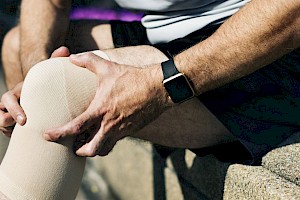
An interest in the human body can lead you toward studying Medicine to work with athletes or to take part in the rehabilitation of sports injuries. They are different paths in terms of training and responsibilities, although they may come together in the same care team.
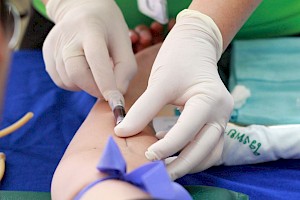
You can also explore the work of those who are part of medical care teams at competitions and of those who focus on the prevention of sports injuries. Clinical care and rehabilitation require the qualifications and licensing required in each country. Brief training in sports does not replace those requirements.
Linking nutrition, training and rest
Working with sports nutrition starts by assessing a person's nutritional needs and understanding their situation. Planning nutrition for training and competing requires specific professional preparation and an ongoing follow-up relationship, beyond an interest in food or exercise.
When a team travels, organizing its meals during trips and training camps involves coordination with accommodations, food services and logistics managers. Educating about rest and recovery habits is linked to day-to-day support and collaboration among professionals.
Understanding what a person who plays sports experiences
Applying Psychology to sports performance involves studying how psychological processes relate to practice and competition. There are also situations that go beyond the result of a game, such as supporting team changes, injuries and retirement from sports.
In groups, questions arise about leadership and coexistence in sports teams. At the same time, caring for emotional well-being and preventing burnout requires recognizing when it is appropriate to turn to mental health professionals. The work of a coach and psychological care have different responsibilities.
Degrees involved in sports health and inclusion
An athlete's continuity also depends on their health, recovery, and well-being. In a sports medicine team, different perspectives come together: Medicine provides clinical training, while Nursing relates to nursing care and assistance. After an injury, Kinesiology connects with assessing movement and supporting rehabilitation.
Nutrition and psychological experience open up other paths. Nutrition allows you to explore assessing dietary needs; Psychology, psychological well-being and competitive pressure. If you are interested in the participation of people with disabilities, Occupational Therapy can guide you toward autonomy and adaptation of activities, a relationship also studied in university education in Mexico on occupational therapy and sport. They are different interventions; their scope depends on the degree and specific training of each professional.
Special Education adds an educational perspective on supports and barriers to learning. Its scope should be distinguished from that of healthcare interventions.





Working behind clubs, tournaments and sporting events
Sustaining the life of a club and developing projects
A club needs to coordinate people, resources and decisions. Managing its operations involves addressing both sporting activities and the organization that sustains them. Managing federations and leagues adds the relationship between entities, schedules and competition conditions.
The bond with the community is also built by developing proposals for members and turning an idea into a sports project. An introductory program, for example, needs to define who it is aimed at, what resources it will use and how its operation will be reviewed.
Making it possible for a competition to take place
Organizing a tournament from planning to competition brings together tasks that connect with one another. Managing registrations, schedules and results makes it possible to organize participation, while preparing the venue requires coordinating spaces, equipment and work teams. Taking care of the spectator experience adds information, guidance and service during the event.
Moving teams and creating experiences
Sport is also connected to travel. Coordinating travel for teams and delegations requires attending to schedules, accommodation and the needs of the activity. Working in active and adventure tourism involves proposals in which physical experience and the environment play a central role.
Other projects focus on organizing sports camps with participants from different countries or creating experiences for fans. The international dimension can appear in the origin of the participants, the service providers or the collaborating organizations; it is not limited to traveling with a professional team.
Coordinating materials, services and access
For an event day to work, someone must coordinate the transport of equipment and materials and organize the services the facility needs. Planning, communication between those in charge and the ability to anticipate what will be used at each moment matter.
Working in sports event security and managing accreditations and access connects operations with the conditions for movement and participation. Each role has its own requirements; organizing an event does not in itself qualify you to perform any security task.
Enforcing rules and protecting participants
Being a referee and enforcing the rules of the game requires specific preparation for the discipline. Off the field, regulations, categories, and conditions to compete also need to be verified.
If you are interested in agreements, rights, and conflict resolution, you can explore what studying Law entails for working in sports. Protecting people and promoting sporting integrity also involves preventing abuse, institutional responsibilities, and channels for addressing problematic situations.
Taking care of accounts, resources, and continuity
Sports organizations also require adequate insurance for their practices and facilities and people who can handle their administration and accounting. These are activities linked to contracts, records, and resource decisions.
Management extends to improving water and energy use in sports venues and organizing events with lower environmental impact. These tasks connect daily operations with maintenance, purchasing, transportation, and materials handling.
What to study to manage organizations and competitions
For a tournament to begin, someone has had to prepare the budget, agree on the use of venues, and coordinate participants. Business Administration is related to organizing resources, purchasing, and suppliers; Public Accounting, to recording and analyzing income and expenses; and Law, to reviewing contracts and legal responsibilities. That combination also appears in the administrative, financial, and legal management of sports organizations in Colombia.
When the competition approaches, Event Organization connects with coordinating the calendar, venues and participants. Logistics comes into the flow of materials, equipment and delegations. If teams arrive from other cities, Tourism and Hospitality link to itineraries, accommodation and reception. You can approach the same event from financial planning, coordinating the day's schedule or the experience of those traveling.
Occupational Health and Safety lets you explore occupational risk prevention in the operation of facilities and events. Insurance Advisor relates to the analysis of coverage. The tasks and qualifications of both paths are different.






Working in journalism, content and sports brands
Researching, storytelling and producing images
If you enjoy asking what happened and why, sports journalism lets you tell more than the score. Researching a story, verifying information and interviewing requires different preparation than narrating matches and commentating on competitions, where observation and communication develop as the action unfolds.
Perspective can also be built through photography and sports video production. To produce live broadcasts you have to coordinate image, sound, directing and distribution. Coverage can bring together people with journalistic, artistic and technical profiles.
Connecting clubs, athletes, brands and audiences
Managing a club's communication and marketing involves deciding what to communicate, to whom and for what purpose. Getting sponsors and developing partnerships requires understanding what each party contributes and how an agreement is finalized.
In another professional relationship, representing athletes and supporting their agreements means addressing interests, commitments and applicable rules. Developing official products and brand licenses connects the business with design, marketing and usage rights. Following a team may spark the interest, but these activities require knowledge that also applies outside of sports.
Programs to inform, produce and communicate
A competition continues in the news, the broadcasts and the images that reach the public. Sports Journalism relates to researching, verifying information and interviewing. Audiovisual Production lets you explore how to coordinate cameras, sound and editing; Photography, how to capture the moments that tell what happened. The multimedia coverage of the Santiago Pan American Games combined broadcasts, interviews, photographs and digital content from different venues: tasks that require editorial decisions and technical production.
Marketing raises another question: how to make the event known, understand its audience and build relationships with partners or sponsors. Interest shifts toward planning campaigns and brand actions. If you enjoy communicating, compare whether you want to explain what happened, produce the audiovisual experience or develop the commercial proposal of a sports organization.


Designing courts, equipment and clothing for sports
Thinking about space and keeping it running
A facility must respond to the activities it hosts. Designing the spaces where sports are practiced involves studying their uses and relating them to design decisions. Working on the construction of courts and surfaces takes those decisions to materials, works and technical execution.
Afterwards it is necessary to maintain the facilities in usable condition and take care of the turf and playing surfaces. On a soccer field, a track or a polo field, the materials and maintenance needs change. You can explore that relationship between sport, terrain, equipment and animal care through the degrees related to polo.
Turning practice needs into products
Designing objects and accessories for playing sports requires observing how they are used and what problems they need to solve. Manufacturing equipment and controlling its quality incorporates production processes, materials and checks.
If you are interested in garments, designing clothing that supports movement connects shapes, textiles and situations of use. Working in the distribution and sale of sports products focuses on another part of the journey, from commercial organization to the information buyers need.
Degrees for designing spaces and developing products
A court needs a suitable surface, but also access points, locker rooms, and spaces that work for the people who use them. Architecture connects with designing those spaces and their circulation routes; Civil Engineering, with solving structures and infrastructure works. In the design of a natural grass rugby field, soil, drainage, vegetation, and irrigation condition the playing surface. These are problems related to Agronomy and the agronomic management of the land. Environmental Engineering brings in the perspective on water and other resources used by the facility.
Design also extends to objects and garments. Industrial Design allows you to explore how to design implements and equipment, considering their use and materials. In Apparel Design, the challenge is developing garments that move with the body. Designing clothing for athletes who compete seated or in wheelchairs requires thinking about cuts, seams, and closures based on a specific user experience.
If you are interested in fields, horses, and clubs, you can explore the degrees related to polo, from equine care and genetics to management and tourism.
To understand how the production of objects and garments is organized, you can also explore Industrial Engineering. Consider how interested you are in processes, materials, and quality control, in addition to the finished product.



Working with technology in sports and esports
Understanding the game with images and data
Perhaps you enjoy going back to a play to understand how an opportunity was created or why a decision failed. Analyzing matches with video tools lets you select and organize situations to discuss them with a team. Interpreting performance data raises other questions, such as what to measure, how to compare records, and what conclusions they support.
Both activities can work together, but watching game sequences and working with datasets are not the same task. It is worth exploring what combination of sports knowledge, analysis, and tools each one requires, without assuming that a technological degree includes tactical training on its own.
Creating tools for those who play and organize sports
Developing applications and systems for sports organizations can focus on registrations, bookings, records, or coordination of activities. The work starts by understanding who will use the tool and what they need to solve.
Creating sensors and devices to measure movement connects programming, electronics, and measurement. It is a different path from developing a management application, although both may come together in a project. Comparing subjects and practical work helps to distinguish them.
Working in video game competition
In esports, managing a professional team involves organizing people, schedules, and resources. Analyzing strategies and performance in competitive video games focuses on understanding the game and providing useful information for preparation.
There is also work behind organizing esports tournaments and creating content and broadcasting their competitions. These activities relate to management, production, and communication. Designing a video game has another goal: creating the product that is played. It is important to distinguish both interests before choosing a program.
What to study to build tools and analyze the game
A club that takes registrations, books courts, and logs training sessions needs that information to flow without getting lost. Computer Science and Software Development bring you closer to designing those tools: from defining what data an application should store to programming its functions and checking that they work. A project can start with an everyday problem, such as avoiding overlapping bookings or keeping a tournament schedule up to date.
When the question is what happened during the competition, Data Science is linked to organizing records, comparing results, and interpreting patterns. Electronic Engineering connects with designing and integrating measuring devices. At the París Games, cameras and analysis systems recorded movements, speeds, and jump heights across different disciplines. Capturing a signal, turning it into a reliable record, and interpreting its meaning are different problems: that is where you can see how these fields can work together.
Statistics lets you dig deeper into measurement and analysis questions. Video Game Design speaks to a different interest: creating the game. Designing it, competing in it, and organizing a tournament are different activities.



Where to study
If you are especially interested in teaching and physical practice, compare the curricula, internships, and requirements of the institutions that offer Physical Education.
 Universidad Austral de Chile (UACh)Valdivia · Private
 Universidad Nacional de La Plata (UNLP)La Plata · Public
 Universidad Autónoma de Baja California (UABC)Mexicali · Public
 Universidad Nacional de La Matanza (UNLaM)San Justo · Public
 Universidad Autónoma de Ciudad Juárez (UACJ)Ciudad Juárez · Public
 Universidad Autónoma de Chihuahua (UACH)Chihuahua · Public
 Universidad Nacional de Tres de Febrero (UNTREF)Sáenz Peña · Public
 Universidad Politécnica de Madrid (UPM)Madrid · Public
How to choose among these degrees
Define which part of sports you want to understand and which problems you are interested in solving. You may feel the same passion for a discipline and prefer to teach, study movement, investigate a news story, design equipment, or coordinate an organization. To choose, you need to identify what knowledge you want to acquire and what tasks you would be willing to practice consistently. To make it concrete, reconstruct the work of an activity that appeals to you: what the person receives, what they observe, what they decide, and what result they must deliver.
Compare programs that at first glance seem similar. In Physical Education, review pedagogy, didactics, and teaching practice; in Kinesiology, training in anatomy, movement, and rehabilitation. If you are interested in communication, distinguish working with sources and interviews in Sports Journalism from commercial planning in Marketing. Look for what question each degree is trying to answer and how you learn to do it.
Read the curriculum and the assessment methods. Don't stop at the subjects that include the word "sport". Also review basic sciences, statistics, reading, writing, management, and projects. Ask whether you will have to analyze cases, prepare reports, prepare sessions, complete supervised internships, or develop products. That combination gives a better idea of the study experience than a promotional description.
Check which program you can access and what qualification it awards. An initial degree, a complementary cycle, a postgraduate degree, and a federation license correspond to different paths. Check the prior studies, entrance tests, and additional training that the guidance you are interested in might require. When comparing countries, check the names and scope of the qualification; a similar name does not prove equivalence.
Look for hands-on experiences before deciding. Attend an open class, ask for examples of assignments, and talk with students about demanding subjects and internships. You can try a supervised activity: help organize a tournament at your school, prepare a sports interview, or analyze data from a game. Notice whether you enjoy the whole process, including the preparation, the revisions, and the work the audience never sees.
Support your choice with evidence. Compare the options that interest you most by content, requirements, internships, format, costs, and your real chances of enrolling in them. Write down what attracts you to each one, what challenges you would accept, and what you still need to find out. A career test can help you come up with questions; then compare them against the programs and experiences you have learned about.