
Engineering degrees
Civil, industrial, mechanical, electronic, computer, chemical, environmental and many more, along with related degrees like Architecture or Robotics: these are the types of engineering you can study at universities and institutes in Spanish-speaking countries.
If you take things apart to see how they work, you like building projects, programming, solving problems with logic, or you wonder how a bridge is built or a phone is made, there are studies that start from that.
What engineering degrees have in common
Studying engineering is learning to solve real problems with science and technique: you design, calculate, test, and improve. Math and physics are usually the foundation of the first years, and then each degree specializes in its field.
In addition to classes, there are labs, workshops, and projects done as a team. Some also teach how to organize teams and decide how work gets done. The degree title, length, and admission requirements depend on the institution and the country, so check them in the program you are interested in.
Types of engineering: which ones there are
Construction and territory
For those who notice buildings, streets, bridges, and land: Civil Engineering, Architecture, measuring and drawing plans, and taking care of water.




Industry, energy, and materials
How things are made, transformed, and organized: machines, processes, food, energy, materials, and businesses. Includes Industrial Engineering and Mechanical Engineering.









Electronics, software, and technology
Circuits, programs, robots, sound, and virtual experiences. For those who spend hours in front of a screen programming or building electronic projects.







Transportation and object design
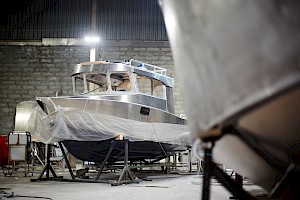
Airplanes, boats, vehicles, and products: how they are designed to work well and look good.



Environment, countryside, and safety
Taking care of nature, working with the countryside, and preventing risks for people at work.





Where to study engineering
 Universidad Politécnica de Madrid (UPM)Madrid · PublicEnvironmental EngineeringFood EngineeringForestry EngineeringArchitectureCivil EngineeringNaval EngineeringAeronautical EngineeringIndustrial DesignElectronic EngineeringEnergy EngineeringMechanical EngineeringMaterials EngineeringIndustrial EngineeringChemical EngineeringComputer EngineeringSurveyingSoftware EngineeringAudio EngineeringArtificial Intelligence
 Universidad Autónoma de Baja California (UABC)Mexicali · PublicArchitectureIndustrial DesignIndustrial EngineeringCivil EngineeringComputer EngineeringElectronic EngineeringEnergy EngineeringRoboticsMechanical EngineeringAgricultural EngineeringChemical EngineeringNanotechnologySoftware Engineering
 Instituto Tecnológico de Tijuana (ITT)Tijuana · PublicArchitectureEnvironmental EngineeringCivil EngineeringIndustrial EngineeringElectronic EngineeringAeronautical EngineeringIndustrial DesignComputer EngineeringNanotechnologyChemical EngineeringMechanical EngineeringArtificial Intelligence
 Universidad Antonio Nariño (UAN)Bogotá · PrivateArchitectureIndustrial DesignEnvironmental EngineeringElectronic EngineeringCivil EngineeringComputer EngineeringIndustrial EngineeringMechanical EngineeringRoboticsSoftware EngineeringChemical EngineeringOccupational Hygiene and Safety
 Universidad Autónoma de Ciudad Juárez (UACJ)Ciudad Juárez · PublicArchitectureIndustrial DesignCivil EngineeringEnvironmental EngineeringElectronic EngineeringComputer EngineeringSoftware EngineeringAeronautical EngineeringIndustrial EngineeringRoboticsEnergy EngineeringArtificial Intelligence
 Universidad de Chile (UChile)Santiago · PublicArchitectureIndustrial DesignCivil EngineeringElectronic EngineeringIndustrial EngineeringChemical EngineeringFood EngineeringCommercial EngineeringAudio EngineeringEnvironmental EngineeringForestry EngineeringMaterials Engineering
 Universidad Nacional de Cuyo (UNCUYO)PublicCivil EngineeringFood EngineeringRoboticsPetroleum EngineeringEnvironmental EngineeringIndustrial EngineeringMechanical EngineeringChemical EngineeringOccupational Hygiene and SafetyArchitectureMaterials EngineeringIndustrial Design
 Universidad Nacional de La Plata (UNLP)La Plata · PublicArchitectureIndustrial DesignForestry EngineeringComputer EngineeringAeronautical EngineeringSurveyingCivil EngineeringElectronic EngineeringMechanical EngineeringMaterials EngineeringIndustrial EngineeringChemical Engineering
Which engineering to study: how to choose
Pay attention to what you do when no one asks you to: if you fix or build things, if you program or edit, if you are interested in how a city, an engine, or an app works, if you like organizing how tasks get done.
Then ask yourself what appeals to you most: building, manufacturing, programming or taking care of the environment. If you like both the technical side and organizing teams and processes, check out Industrial Engineering; if software is your thing, compare Computer Engineering with Software Engineering.
If you're torn between two, compare the subjects in each profile and the admission requirements: Computer Science and Software sound almost the same and the curriculum can change depending on the university. The career test can give you a first idea of where to start.
To read before choosing

Frequently asked questions
Do I need to be good at math to study engineering?
Math and physics are an important part of the first years in many degrees, but you learn them as you study. What helps is practicing consistently and wanting to solve problems.
How long do engineering degrees last?
It depends on the institution and the country, and also on the degree: Civil Engineering or Chemical Engineering are usually among the longest, and Occupational Health and Safety among the shortest. Each degree's profile shows its most common length when indicated; confirm it in the program you're interested in.
What is the difference between Industrial Engineering and Mechanical Engineering?
Mechanical focuses on the design and operation of objects and their mechanisms. Industrial looks more at how processes and resources are organized within a company. Compare their profiles to see the subjects in each one.
Can I study engineering if I like computing?
Yes. There are several degrees that combine both, such as Computer Science, Software, Artificial Intelligence or Robotics. They are similar to each other, so look at what subjects each one includes.
Are there engineering degrees related to the environment?
Yes: for example Environmental Engineering, Forestry Engineering and Water Resources. Read them in their profile to see how they differ.