
Agro and environment degrees
Agronomy, veterinary medicine, environmental science and engineering, forestry engineering, enology and others: agro and environment degrees, related to nature and the environment, are studied at universities and institutes in different Spanish-speaking countries.
If you like being outdoors, caring for plants or animals, or you wonder what we do with water, soil and forests, there are degrees designed for that.
What agro and environment degrees have in common
Almost all of them work with natural resources: soil, water, crops, animals, forests. They usually build on a science foundation (biology, chemistry, physics, mathematics) and combine classes with hands-on practice in laboratories, fields or field projects, depending on the institution.
Some focus on producing better, such as Agronomy; others on caring for and restoring what already exists, such as Environmental Sciences. Many overlap with engineering, health or business.
The degree title depends on the institution and the country, so check it in each program.
The agro and environment degrees
Field, crops and production
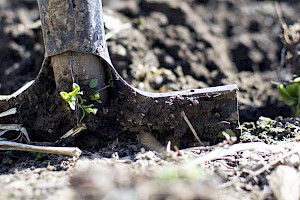
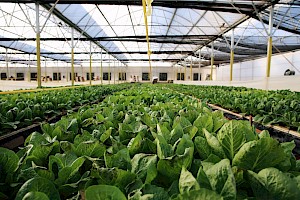
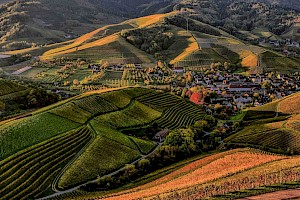
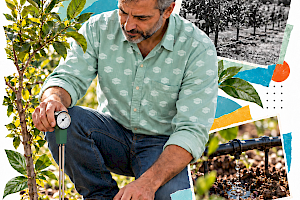
Field degrees are for those interested in how food and raw materials are produced, whether by improving crops, running an agricultural business or working with wine from the vineyard to the bottle.

Environment, water and forests
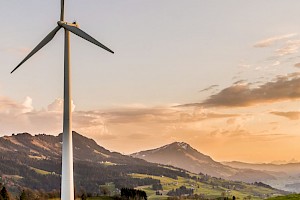
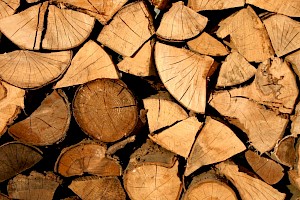
For those who want to understand and reduce people's impact on nature: studying the environment, caring for water, managing forests or designing more sustainable alternatives.



Animals
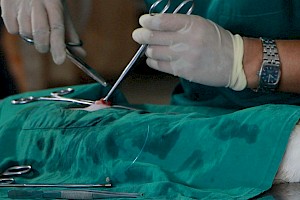
For those who get along well with animals and want to learn to prevent and treat their diseases.
Where to study agro and environment
 Corporación Universitaria del Huila (CORHUILA)Neiva · PrivateRural AdministrationEnvironmental EngineeringVeterinary MedicineAgricultural EngineeringWater ResourcesEnvironmental SciencesAgronomy
 Universidad Austral de Chile (UACh)Valdivia · PrivateAgronomyEnvironmental EngineeringVeterinary MedicineEnvironmental SciencesForestry Engineering
 Universidad Autónoma de Baja California (UABC)Mexicali · PublicVeterinary MedicineAgricultural EngineeringAgronomyEnvironmental SciencesWinemaking
 Universidad Nacional del Centro de la Provincia de Buenos Aires (UNCPBA)Tandil · PublicAgronomyRural AdministrationEnvironmental SciencesEnvironmental EngineeringVeterinary Medicine
 Corporación Universitaria de Santa Rosa de Cabal (UNISARC)Santa Rosa de Cabal · PrivateRural AdministrationAgricultural EngineeringVeterinary MedicineAgronomy
 Corporación Universitaria LasallistaCaldas · PrivateAgronomyEnvironmental EngineeringVeterinary MedicineEnvironmental Sciences
 Fundación Universitaria de San Gil (UNISANGIL)San Gil · PrivateAgricultural EngineeringEnvironmental EngineeringEnvironmental SciencesWater Resources
 Universidad Autónoma de Baja California Sur (UABCS)La Paz · PublicAgronomyVeterinary MedicineWater ResourcesEnvironmental Sciences
How to choose between them
Notice what you do when no one asks you to: if you care for plants or pets, if you are interested in where food comes from, if it bothers you to see trash in the river or in the park, if you enjoy being outside more than in a classroom. Those interests point to different degrees within the field.
Then ask yourself what you prefer to do: work in the field, in a laboratory or planning and organizing. And whether you are more drawn to living things (plants, animals) or what surrounds them (water, air, soil).
If you are torn between Agronomy and Environmental Sciences, for example, look at the subjects in each profile: if you are more drawn to crops or to the study of water and soil, that's already a clue. If none of them fully convinces you, take the career test: compare your answers with these degrees.
To read before choosing


Frequently asked questions
Do I have to live in the countryside to study agriculture?
No. You don't need to have grown up in the countryside, but in many degrees you will spend time in fields, farms or natural areas for practical work, depending on the program.
What is the difference between Environmental Science and Environmental Engineering?
Both aim to solve problems that people cause in nature, and they are quite similar. In general, Environmental Science is closer to studying the environment and Environmental Engineering to applying engineering techniques, but it depends on the institution: compare the curricula.
Do I need to be good at science to study these degrees?
Biology, chemistry, math and physics are commonly used, especially in the first years, although it depends on the degree and the institution. You don't need to be the best in the class, but it helps if science subjects are not an obstacle for you.
How long do agriculture and environment degrees last?
Agronomy, Veterinary Medicine, Forestry Engineering and Rural Management are among the longest; Environmental Science, Enology and Water Resources are somewhat shorter, and Environmental and Agricultural Engineering fall in the middle. Each institution sets the exact length of its program.
Is Veterinary Medicine only for working with pets?
No. Veterinary Medicine trains you to prevent and treat diseases in animals in general, not just pets. Check each program's curriculum to see what it focuses on.