
Aviation and transport degrees
Piloting, onboard service, aircraft and ship engineering, shipping administration and logistics: aviation and transport degrees range from flying a plane to working at an airport or a port, and are studied at universities and institutes in different countries.
If you like airports, ships, long trips or understanding how a package gets from another continent to your home, there are studies that start from that.
What these degrees have in common
Almost all of them are about moving people or things from one place to another safely and in an orderly way. Some focus on the machine (planes, ships), others on the people who travel and others on the organization that makes everything arrive on time.
Several combine theory classes with practice, for example flight practice in aviation degrees. The diploma, duration and admission requirements change depending on the institution and the country, so check each program before enrolling.
Aviation and transport degrees
Aviation
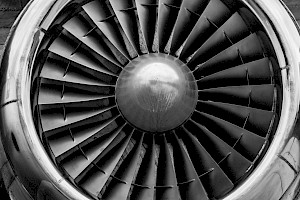
For those who imagine themselves in the air: flying a plane, working as a flight attendant or studying how aircraft are designed. Includes Aviation, which teaches how to operate aircraft and prepare flights, and Aeronautical Engineering, which studies planes, helicopters and drones.

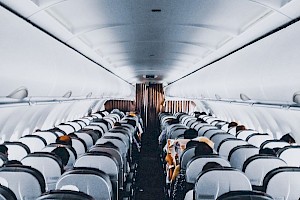


Onboard Purser and Passenger Cabin Crew Member focus on serving passengers, a job close to tourism.
Sea and ships
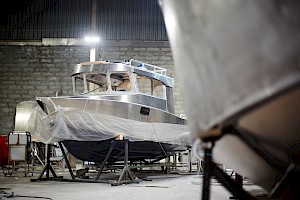
For those who feel drawn to the maritime environment. Shipping Administration is for those who enjoy administrative activities and want to apply them in that world. Naval Engineering deals with how to keep a huge vessel stable and safe while carrying loads.

Logistics
For those who enjoy organizing: what is produced, where it is stored and how it gets to its destination.

Where to study aviation and transport
 Universidad Politécnica de Madrid (UPM)Madrid · PublicNaval EngineeringAeronautical EngineeringAviation
 ASG Training Center (ASG)Munro · PrivateFlight PurserAviation
 Corporación Universitaria Minuto de Dios (UNIMINUTO)Bogotá · PrivateLogisticsShipping Administration
 Instituto Tecnológico de Tijuana (ITT)Tijuana · PublicAeronautical EngineeringLogistics
 Instituto Universitario Naval (INUN)Vicente López · PublicShipping AdministrationNaval Engineering
 Universidad de Investigación y Desarrollo (UDI)Bucaramanga · PrivateAeronautical EngineeringLogistics
 Universidad Nacional de Tres de Febrero (UNTREF)Sáenz Peña · PublicAeronautical EngineeringLogistics
 Universidad Politécnica Metropolitana de HidalgoPublicAeronautical EngineeringLogistics
How to choose between them
Pay attention to what you do when no one asks you to: if you stay watching planes take off, if you build models, if you like planning a trip down to the last detail, if you are the one who organizes things when the whole group has to move.
Then think about whether you see yourself operating the machine, studying it, serving people or coordinating everything to work. A person who enjoys organizing might feel better in Logistics than in an airplane cabin.
If you're torn between flying planes and designing them, compare Aviation with Aeronautical Engineering in their profiles: one teaches you to fly and the other to create aircraft. The career test gives you a clue whether you're more drawn to machines, people or organization.
Things to read before you choose



Frequently asked questions
Do you need to be a pilot to work in aviation?
No. There are degrees for serving passengers, like Commercial Aviation, and others for designing aircraft, like Aeronautical Engineering. Each one has its own path.
How long do aviation and transport degrees last?
Flight and crew training programs, like Aviation or Passenger Cabin Crew, are the shortest in the field; Commercial Aviation is in the middle, and Logistics, Aeronautical Engineering and Naval Engineering, which are university programs, are the longest.
What is the difference between Aeronautical Engineering and Aviation?
Aeronautical Engineering studies how airplanes, helicopters and drones are designed and how they work. Aviation focuses on learning to operate them and prepare flights. Compare their profiles to see the subjects.
Can I study logistics if I'm not interested in planes or ships?
Yes. Logistics is about managing a company's production, storage and shipping of products, so it doesn't depend on being attracted to planes or ships.
Do I need to study English?
It depends on the degree and the institution: some programs require a certain level of English for admission and others don't. Check each program's requirements before enrolling.