
Polo Degrees
Veterinary Medicine, Agronomy, Biotechnology, Logistics, Tourism and Design are paths to explore the world of polo from different interests. You can get closer to horse care, research, sports facilities, organizing activities, or creating equipment.

Liking this sport can be a starting point for choosing what to study. The decision becomes more concrete when you identify what you are interested in doing: observing animals, experimenting, solving technical problems, organizing people, or communicating.
What the degrees related to polo have in common
The connection lies in a shared activity, although the subjects and internships are different. Biology and chemistry carry weight in the life sciences; mathematics and design, in technical areas; organization and communication, in management and services.
In Argentina, the official Polo Made in Argentina initiative recognizes a chain that includes breeding, biotechnology, infrastructure, transportation, equipment, and specialized services. It is a reference for understanding how different educational backgrounds connect around the same sport.
A general degree and specific training in polo have different scopes. When comparing programs, check the degree title, admission requirements, and internships. The name of a specialty is not enough to know what you will learn.
Degrees to explore based on what interests you
Animal health, reproduction and research
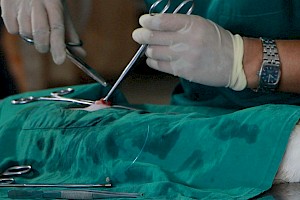
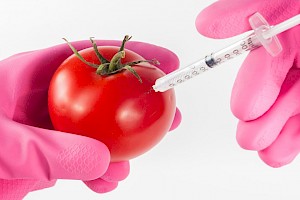
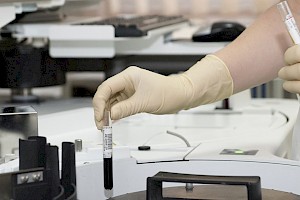
Veterinary Medicine focuses on animal health; Biotechnology and Genetics, on biological processes and research. See how to specialize in equines within each program. You can explore the profiles of veterinarian, geneticist and researcher.
Fields, courts and infrastructure
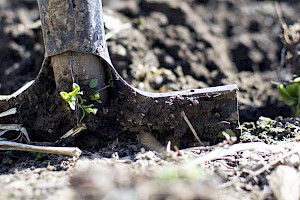
Agronomy connects with soils and pastures; Architecture and Civil Engineering, with spaces and buildings; Water Resources, with water. Distinguish the profiles of agronomist, architect, civil engineer and hydrologist.



Administration, commerce and transport
Rural Administration and Business Administration cover management; International Trade, exchanges between countries; Logistics, transportation; Customs Broker, the customs dimension. Explore the profiles of administrator and customs agent. To distinguish the health requirements, check the official SENASA information.




Physical activity, tourism and events
Compare Physical Education, Tourism, Hospitality and Event Planning depending on whether you are interested in sports practice, visitor experiences, hospitality or activity coordination. You can explore the profiles of sports coach, tour guide and event planner.




Equipment, design and communication
Industrial Design and Clothing Design connect with products and garments; Photography and Sports Journalism, with images and information; Marketing, with brands. Explore the profiles of industrial designer, clothing designer, photographer, journalist and marketing manager.





Programs and information analysis
Computer Science, Software Development and Data Science let you explore records, programs and information analysis. Its connection with the hub is a possible application, not a guaranteed specialization. You can explore the profiles of programmer and data analyst.



Where to study
If your main interest is horse health, compare the curriculum and internships for Veterinary Medicine at the institutions that offer it.
 Universidad Austral de Chile (UACh)Valdivia · Private
 Universidad de Chile (UChile)Santiago · Public
 Universidad Nacional de La Plata (UNLP)La Plata · Public
 Universidad del Salvador (USal)Ciudad Autónoma de Buenos Aires · Private
 Universidad Autónoma de Baja California (UABC)Mexicali · Public
 Universidad Autónoma de Aguascalientes (UAA)Aguascalientes · Public
 Universidad Antonio Nariño (UAN)Bogotá · Private
 Universidad Autónoma de Ciudad Juárez (UACJ)Ciudad Juárez · Public
How to choose among these degrees
Think about activities you already know. Do you like observing animals and understanding their behavior? Do you prefer science experiments? Do you enjoy drawing, preparing a presentation, organizing an outing with friends or solving a problem with software?
Then, review curricula and look for subjects you want to learn even when they are not related to polo. Compare contact with animals, lab work, fieldwork, projects and customer service. Ask what the internships are like and what requirements they have.
If you still find it hard to organize your interests, a career test can help you come up with questions to keep exploring.
Readings to learn about the degrees



Frequently asked questions
Do I need to know how to play polo to study these degrees?
They are general programs with possible applications in different fields. Check the admission requirements for the program you are interested in; if you are looking for specific sports training in polo, review the requirements for that training separately.
Are Veterinary Medicine, Biotechnology and Genetics the same?
No. Although they share an interest in biology, their approaches are different. Compare the emphasis on animal health, lab work and research in each curriculum, along with the internships and the scope of the degree.
Does a course for grooms or farriers equal a degree?
You cannot assume that equivalence. Check what certificate it awards, what prior education it requires and how much practical training it includes. Trade courses, subjects, degrees and postgraduate programs correspond to options with different objectives and requirements.
How do I know if equine training is suitable to start after school?
Read its admission requirements. An option may be an initial degree, a course or a program that requires prior studies. If you find a master's degree, a specialization or a bridging program, check what prior qualification it requires.
What should I do if I am interested in polo, but not in animal care?
Explore design, communication, computing, management, tourism or infrastructure. Compare the activities in each degree with what you enjoy doing and with the subjects you want to study, in addition to your interest in the sport.