
Virtual Reality Technical Designer
A Virtual Reality Technical Designer is a highly specialized professional in the field of technology and the implementation of virtual reality systems.
Their work involves the creation and configuration of virtual environments, the development of interactions and performance optimization to provide an immersive, high-quality experience. In addition, they are responsible for solving technical challenges, such as hardware and software integration, interaction programming and troubleshooting related to virtual reality. Their knowledge covers areas such as programming, software engineering and interaction design, and their goal is to ensure that users enjoy smooth and realistic virtual experiences.
A virtual reality technical designer is responsible for various tasks related to the creation and development of virtual reality experiences. These tasks include creating 3D models, animation, interaction programming, implementing visual and sound effects, and optimizing the performance of virtual reality applications.
They work with a variety of technologies and tools, such as game engines (such as Unity or Unreal Engine), 3D modeling and animation software, programming languages (such as C# or C++), virtual reality devices (such as Oculus, Vive or PlayStation VR), and development and debugging tools specific to virtual reality.
The work of a Virtual Reality (VR) Technical Designer can vary depending on the company or industry they are in.
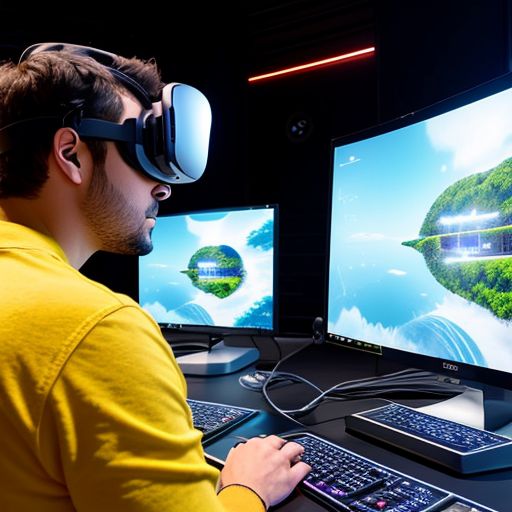
Some of the common places where a Virtual Reality Technical Designer can work are as follows:
Software and technology development companies: Many companies specializing in the development of virtual reality applications and software employ technical designers to create immersive and functional experiences.
Video game and entertainment companies: The entertainment industry, especially video games, is an expanding field for virtual reality. Technical designers can take part in creating virtual worlds, characters, and game mechanics.
Simulation and training companies: In sectors such as aviation, medicine, the military, and industry, virtual reality is used for training and simulating situations. Technical designers can contribute to creating realistic and effective scenarios.
Advertising and marketing agencies: Virtual reality is increasingly being used in advertising and promotional campaigns. Technical designers can help develop immersive content for these initiatives.
Educational institutions: Universities, colleges, and schools may employ virtual reality technical designers to create interactive educational materials and learning experiences in virtual environments.
Architecture and engineering companies: Virtual reality is used in visualizing architectural and engineering projects. Technical designers can take part in creating virtual models and interactive tours.
Freelance or independent work: Some virtual reality technical designers choose to work independently and offer their services to different clients and projects.
It is important to note that the field of virtual reality is constantly evolving, so job opportunities may continue to expand into new industries and applications.
Demand for virtual reality technical designers is expected to keep growing as technology advances and becomes integrated into various areas of everyday life and business.