
Creating sensors and devices to measure movement
Measuring movement with devices connects physical phenomena, electronics and signal processing. A sensor produces records that need interpretation. Designing the system and using its results in training require complementary knowledge.
The work covers the integration of measurement devices and tracking systems, with performance testing and data interpretation criteria.
From the initial request to concrete work
A project wants to record a practice action and compare measurements with observations. The technical team defines what the device must capture and documents its tests. Then it contrasts the records with the context of use to recognize errors or limitations before presenting them as useful information.
Tools and knowledge put into practice
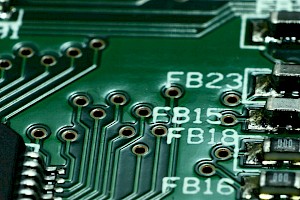
Electronic components, acquisition systems and processing tools allow building and reviewing measurements. Test documentation and the relationship between signal and observed phenomenon matter. A figure on a screen alone does not prove accuracy.
Sensors. Integrate measurement instruments and review quality of the captured signal.
Quality control. Establish conformity criteria and review products, materials or processes.
Data management. Organize information with quality, access and protection criteria.
Careers and teams involved
Electronic Engineer. Designs, integrates or maintains measurement, instrumentation and transmission systems related to sports activities.
Data Analyst. Converts records of participants, performance or operations into reliable reports, ensuring data quality and protection.
Organizations and services it works with
Technology providers. Develop software, measurement, devices, streaming systems and data for sports entities.
Laboratories and research centers. Produce knowledge, equipment and analysis useful for performance, health and sports planning.
What you can study to get closer to this activity
Electronic Engineering
Electronic Engineering. It allows you to study electronic systems and measurement. Sports can contribute instrumentation or transmission projects. Compare physics, circuits and signal processing with application development and data analysis.
Data Science
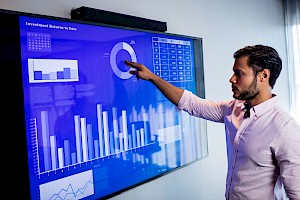
Data Science. It combines tools to prepare, analyze and communicate information. The sports context requires understanding the meaning of the records. Review mathematics, statistics, programming and analysis projects with real or simulated data.
Software Development
Software Development. It focuses on building and maintaining programs. A sports project requires understanding users and testing features. Review programming, data and development practices, without assuming that all jobs will be devoted to sports.

How to compare your interest with the training
Check whether you are interested in building devices, programming how they work, or studying the data obtained. Electronic Engineering and Data Science explore different problems in depth. Compare physics, mathematics, circuits and programming in their study plans.
A system or a data set requires understanding its context of use. The tool does not automatically replace sports, health or technical judgment. Distinguish measurement, interpretation and decision, and document what information supports each conclusion.
Where to study and what to check before choosing
Compare institutions offering Electronic Engineering and review the study plan, internships and scope of the degree. The name of a sports guidance alone does not tell you what you will learn. Also ask about the admission requirements and the hands-on project experience.
 Universidad Mayor de San Simón (UMSS)Cochabamba · Public
 Universidad Mayor de San Andrés (UMSA)La Paz · Public
 Universidad de Chile (UChile)Santiago · Public
 Universidad Nacional de La Plata (UNLP)La Plata · Public
 Universidad Autónoma de Baja California (UABC)Mexicali · Public
 Universidad Nacional de La Matanza (UNLaM)San Justo · Public
 Universidad Antonio Nariño (UAN)Bogotá · Private
 Universidad Autónoma de Ciudad Juárez (UACJ)Ciudad Juárez · Public
Distinguish an initial degree from training that requires prior studies. Names and conditions change by country and institution. If you find a course, a license, a specialization or a bridging program, check what certificate it awards and who it admits.
Collaborate with people and organizations from other countries
Collaboration with teams from other countries requires communicating technical criteria and understanding their practice context. Sharing tools does not eliminate the need to know the discipline or the professional conditions of each role.
Digital tools can be used by organizations from different countries. The project needs to consider language, support, and data handling conditions. Remote collaboration also requires understanding how each user works.
Related activities to keep exploring
- Assess how an athlete is progressing
- Interpret data to understand sports performance
- Develop applications and systems for sports organizations
Connect this journey with working with technology in sports and esports and with the sports degrees.