
Advantages and disadvantages of studying Medicine
Family traditions are sometimes a very strong pressure when deciding on a professional future, but many people feel it the other way around and see in their family an inspiration or motivation to dedicate themselves to a specific task.
Many careers have many characteristics that are interesting and in the same way have intrinsic issues that lead a person to reconsider whether the good outweighs the bad in the tasks they would have to perform.
What are the advantages and disadvantages of studying Medicine?
There are careers that are essential in any society, which have outlasted fads and traditions because of the simple fact that they are needed. The Medicine degree is one of them, because year after year many people decide that medicine is their best option, or that it is what they want to do for the rest of their lives.
Doctors have to travel a winding learning path throughout the degree, and must also maintain continuing education and self-learning. Scientific progress helps bring many diseases to an end with some kind of cure, but also, unfortunately, at some point new pathologies or diseases emerge that challenge years of study to force medical teams to get back to work and unravel the conditions that can arise in the organisms of the human body.
For these kinds of reasons, and as in most university degrees, there are pros and cons when imagining yourself in the future as professionals in them. Before embarking on the journey in a career, the most important thing is that the student can delve into what its advantages and disadvantages are, and be able to consciously decide if it is really what motivates them and interests them in life especially because of the time they will have to invest in it.
Advantages of being a health professional:
In all university degrees there are advantages, circumstances that count as something favorable in the career, or situations that put one issue above another, that which gives a positive view of something specific.
In the Medicine degree there are some very interesting issues that can be taken as advantages. The first and most relevant, on which many people who practice the career agree, is the motivation needed to carry out the coursework, knowing that at the end of the road, with the diploma in hand, they will have the satisfaction of helping other people who need it. Doctors are often described as altruistic people, since they have the mission of helping others selflessly.
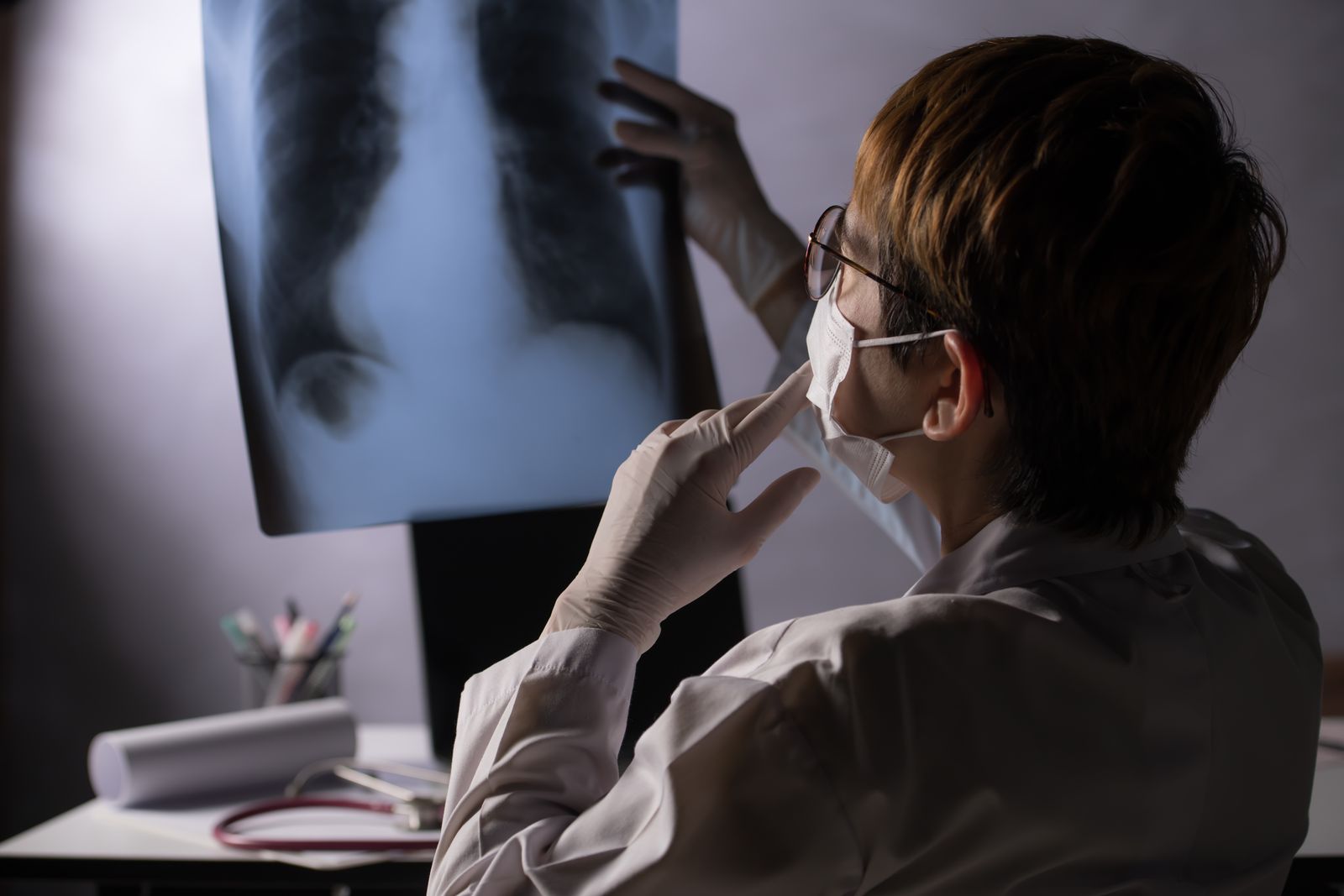
In this sense, it can be seen as a personal reward, the fact of having the opportunity to change the lives of many people. Professionals feel it as a gratification because it is about being able to collaborate with and help others in difficult moments. That is why being able to help others overcome their adversities in health matters, cure them or support them in difficult circumstances in life, supporting patients who need an authoritative word to assist them, can be highlighted as a great advantage.
Secondly, it can be seen how medical professionals are recognized by society as specialist people, who are held in great respect and are credited with unique wisdom. This advantage may be linked to the view of the commitment doctors have to their work and the effort it takes them to complete their degree to achieve their training as health professionals.
Another interesting thing the degree offers is recognition from other professionals and the prestige that those doctors who work in a particular area and stand out among others can obtain, which is why they are often described as eminent figures in their subject.
On the other hand, the training provided by the degree is considered multidisciplinary, because upon graduating the health professional has a wide range of knowledge ranging from physics, anatomy, chemistry, psychiatry to knowledge of statistics and administration.
Another advantage highlighted by many students of the medicine degree is the scientific interest awakened by the knowledge they acquire throughout their studies. This can happen because in the different subjects they may find a particular interest in research into the human body and its physiology, so they can later contribute to an advance in science.
In this sense, professionals may find research and the search for new therapeutic methods and innovative techniques for different treatments rewarding. Medicine graduates strive to improve society's quality of life, both through their care and through their drive to find new ways to contribute to the discovery of vaccines and medicines.
In addition, the medicine degree has the advantage of offering graduates a long list of specializations so they can find an alternative within the professional health world that they are passionate about. Some options they can find are cardiology, pediatrics, dermatology, neurology and surgery, among others.
Regarding salaries, it is common to hear that the medicine degree has the advantage of having an average salary above other careers, however that will depend on the country in which the career is practiced, since it is not something that happens all over the world. There are doctors who, adding up their working hours, can earn high pay.
Anyway, in relation to salary, we can speak of an advantage when thinking about job opportunities, since it is a necessary degree and health professionals are in demand at different levels of the working world, both in the daily work of a clinic or hospital, in medical security companies, and even in the government sphere to develop health policies that seek the good of society.
Disadvantages of studying the Medicine degree:
When thinking about the disadvantages of the degree, the first one that many medicine students mention is the extensive length of the coursework. In some countries in Europe a person can take a minimum of 6 years to graduate, and in Latin America it can even be more than 8 years.
So many hours of coursework before being able to work in what so much time and reading is invested in can become harmful, and discourage the student on the path to obtaining the final degree. Medicine is one of the longest degrees in both public and private universities, in addition to being much more demanding than others and requiring a greater level of commitment.
In some institutions, the degree is made up of different stages, where greater commitment is demanded with each step forward, and this means always investing a little more time. Because first the aim is for the student to be able to understand the structure of the healthy human at a biological, psychological level. Then they are taught to diagnose and outline lines of treatment for each pathology. Finally, comes the stage where this acquired knowledge is put into practice in real life, and students work side by side with professionals in hospitals, where communication skills are also assessed both with patients and their families and with the healthcare team. In addition, it requires the student's willingness to work with other areas and to seek the opinion of other professionals to work, such as psychologists, psychiatrists, nurses, in an interdisciplinary way.
Another important issue that can be seen as a drawback in the professional life of a medicine graduate is the responsibility involved in supporting a person, delivering bad news and even having the detachment to watch a person go through a bad moment of health without being able to reverse it. In this sense, it is important to remain calm and be empathetic with patients without getting too involved.
The absence of regular hours can also be counted as a disadvantage of the career. By working on-call shifts and being available for emergency situations, there are sometimes clashes with the outside world and scheduling conflicts with family and friends. This is an issue that can be exhausting and cause fatigue.
There are those who research the degree and this type of demanding schedule issue causes the first rejection when it comes to enrolling and embarking on the path of the medicine degree.
Another issue that can be disadvantageous is that the degree does not end when coursework is finished and the diploma is obtained, since medicine constantly produces advances, is updated and it is essential for healthcare teams to stay informed and continue their studies on novel techniques or innovative medications. This characteristic of the career also contributes to an investment of time and takes free hours away from professionals.