
Technology and computing degrees
Programming, software engineering, data, artificial intelligence, robotics, digital design and video games: these are technology and computing degrees you can study at universities and institutes.
If you build your own games, set up the whole family's phones, wonder how an app works or spend hours trying out programs, there are studies that start from what you already do.
What technology and computing degrees have in common
Studying technology is mostly about solving problems: you take a need, break it into parts and build something that solves it, whether a program, a system or a digital product. What comes up most in study plans is logic, lots of hands-on practice with programs and equipment, and projects that are delivered working. The amount of math varies by degree.
They are also similar in that they change fast: today's tools won't be the ones used in a few years, which is why good degrees teach lasting foundations, like thinking in steps, understanding how data is stored and moved, and working as a team. The degree title and length depend on the institution and the country, so check them in each program.
Watch out for the names: Computer Science, Information Systems or Software Engineering sound similar and overlap.
Technology and computing degrees
Computer science and programming: building software
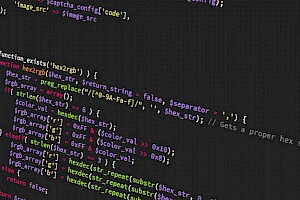
For those who enjoy writing code and building applications or systems for others to use. They range from Software Development to engineering degrees that combine programming with organizing processes.





Data, artificial intelligence and robots
For those who are comfortable with math and want to understand how machines learn, how information is analyzed, or how to make a robot move. Some are halfway between technology, science and engineering.



Digital design, video games and virtual worlds
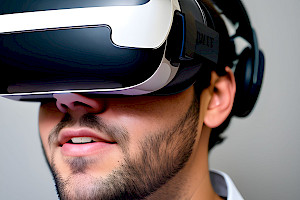
For those who think about how what is on a screen looks and how it is used: websites, applications, video games and virtual or augmented reality experiences. They combine technology with design.






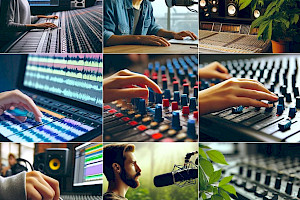
Sound and audio
For those who enjoy working with music and sound using software and equipment: recording, editing and improving what you hear.

Where to study technology and computing
 Corporación Unificada Nacional de Educación Superior (CUN)Bogotá · PrivateComputer EngineeringSoftware EngineeringUser Experience DesignData ScienceInformation SystemsArtificial IntelligenceComputingVideo Game Design
 Corporación Universitaria Minuto de Dios (UNIMINUTO)Bogotá · PrivateComputer EngineeringSoftware EngineeringArtificial IntelligenceData ScienceSoftware DevelopmentComputingInformation Systems
 Universidad Politécnica de Madrid (UPM)Madrid · PublicComputer EngineeringSoftware EngineeringAudio EngineeringInformation SystemsArtificial IntelligenceData ScienceComputing
 Corporación Universitaria del Huila (CORHUILA)Neiva · PrivateComputer EngineeringRoboticsSoftware EngineeringArtificial IntelligenceInformation SystemsData Science
 Universidad Autónoma de Baja California (UABC)Mexicali · PublicInformation SystemsComputer EngineeringRoboticsComputingComputer ScienceSoftware Engineering
 Universidad Autónoma de Ciudad Juárez (UACJ)Ciudad Juárez · PublicComputingComputer EngineeringSoftware EngineeringRoboticsArtificial IntelligenceInformation Systems
 Universidad de Diseño, Innovación y Tecnología (UDIT) (UDIT)Madrid · PrivateVideo Game DesignData ScienceSoftware DevelopmentRoboticsInformation SystemsUser Experience Design
 Instituto Politécnico Nacional (IPN)Ciudad de México · PublicComputer EngineeringRoboticsArtificial IntelligenceData ScienceComputer Science
How to choose between them
Pay attention to what you do when no one asks you to: if you keep tinkering with something until it works, if you care more about how an app looks or how it is built on the inside, if you play games and wonder how each level was created, if logic puzzles entertain you. Each of those habits points to a different part of technology.
Then ask yourself which part appeals to you: building the program, understanding the data it generates, keeping a system working for an organization, or designing how the person who uses it experiences it. Someone who enjoys organizing and explaining processes might feel more at home in Systems Analysis than writing code all day.
If you are torn between Software Development and Data Science, notice what hooks you more: building something others will use or discovering what the data says. If you are not sure, the career test compares your answers with these degrees.
To read before choosing



Frequently asked questions
Do I need to be good at math to study technology?
It depends on the degree. Those that work with data, artificial intelligence, or robotics use more math; digital design ones use less. In all of them, reasoning in an orderly way helps, and you learn much of what you need during the program.
Do I need to know how to program before starting?
It is usually not a requirement. The first courses teach from the ground up, although having tried on your own gives you an advantage in knowing whether you like it.
How long do technology and computing degrees last?
Virtual reality and real-time development courses are the shortest; Software Development and Programmer Analyst, short degrees; Computer Engineering, Computer Science, and Audio Engineering, the longest, and most of the others fall in between.
What is the difference between Computing, Systems, and Software Engineering?
They are similar and vary from one institution to another. In general, some focus more on building software, others on how systems support an organization, and others on the scientific foundations of computing. Look at the subjects in each program's curriculum.
Can I study video game design or digital experience design without drawing well?
Yes, in many cases. Part of the work is technical, programming-based, or about thinking through how a product is used, and not just drawing. Check the profile to see what subjects each one includes.