
Organizing sports camps with participants from different countries
A sports campus combines training, stay and daily organization. When people from different countries take part, communication and service coordination needs are added. The program must explain what experience it offers and who it is aimed at.
The work covers stay programs combining training, exchanges and accommodation, with educational planning and logistical coordination.
From the initial request to specific work
A school organizes a campus with young people from different backgrounds. Coordination connects learning objectives, schedules, accommodation and those in charge. It also prepares information that families can understand. Daily life and spaces outside training need as much organization as sports sessions.
Tools and knowledge put into practice
Activity programs, itineraries, reception documents and inquiry channels are used. Intercultural work requires checking that information is understood. Participation conditions and services must be described clearly.
Program design. Define population, objectives, resources, activities and intervention indicators.
Travel management. Coordinate transportation, accommodation, itineraries and travel documentation.
Intercultural communication. Coordinate with people of different languages and customs in international programs.
Careers and teams that participate
Sports coordinator. Organizes schedules, groups, instructors, venues and practice programs to provide continuity and quality of service.
Tour operator. Organizes travel services, experiences, stays and coordination of providers for people traveling for sports.
Organizations and services it works with
Tourism providers. Organize travel, campuses, accommodation and recreational activities linked to sports.
What you can study to get closer to this activity
Physical Education
Physical Education. It lets you study bodily practices, learning and planning. Compare the teaching guidance and the other offerings of the degree, its practices and the scope of the qualification for the context you are interested in.
Tourism
Tourism. It covers tourism projects and services. Sports can provide the reason for the trip or the activity for the experience. Check the scope of the degree against the technical leadership of specific practices.
Hospitality
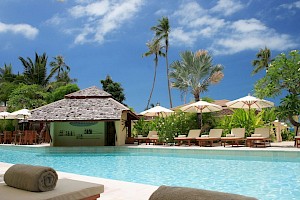
Hospitality. It relates to lodging, front desk, and service coordination. A sports delegation brings specific needs that must be understood. Compare operational and guest-service work with planning the full trip.
Event Planning
Event Planning. It relates to planning, vendors, and running events. Sports add specific formats and rules. Look for internships where you have to connect schedules, participants, services, and team tasks.



How to compare your interest with the training
Explore whether you are interested in coordinating learning, the stay, or the operation of the program. Physical Education, Tourism, and Hospitality involve different responsibilities. Look at internships with groups and service projects.
Management requires distinguishing general coordination from specific professional tasks. Providing legal advice, providing healthcare, or performing certain technical interventions requires its own preparation. A person who organizes should not assume they can perform every role at the event.
Where to study and what to check before choosing
Compare institutions that offer Tourism and review the curriculum, the internships, and the scope of the degree. The name of a sports guidance alone does not tell you what you will learn. Also ask about admission requirements and the hands-on experience in practical work.
 Universidad Mayor de San Simón (UMSS)Cochabamba · Public
 Universidad Mayor de San Andrés (UMSA)La Paz · Public
 Universidad Austral de Chile (UACh)Valdivia · Private
 Universidad Nacional de La Plata (UNLP)La Plata · Public
 Universidad Nacional de Cuyo (UNCUYO)Public
 Universidad del Salvador (USal)Ciudad Autónoma de Buenos Aires · Private
 Universidad Autónoma de Baja California (UABC)Mexicali · Public
 Universidad Antonio Nariño (UAN)Bogotá · Private
Distinguish an initial degree from training that requires prior studies. Names and requirements vary by country and institution. If you find a course, a license, a specialization, or a bridge program, check what certificate it awards and who it admits.
How the context changes by discipline
Running and trail running. Street or trail running activities that combine training, route marking and course safety.
Trekking and mountaineering. Mountain activities that require route planning, guides, weather knowledge and safety equipment.
Climbing. Rock or structure climbing activities that require equipment handling, safety procedures and progressive instruction.
These differences shape the work context. Review what specific knowledge of the activity you need to develop, in addition to general training, and which tasks require additional preparation.
Collaborating with people and organizations from other countries
Travel and sports experiences may welcome international participants. Coordination requires understandable information, well-defined services and a review of destination requirements, without assuming the same access conditions.
Related activities to keep exploring
- Training future sports instructors
- Coordinating games, recreation and sports camps
- Coordinating team and sports delegation travel
Connect this path with working behind clubs, tournaments and sports events and with sports degrees.