
Science degrees in Colombia
Biological Sciences, Data Science, Statistics, Geology, Chemistry, Physics, Mathematics, Criminalistics and others: they are science degrees you can study in Colombia.
If you're intrigued by how the world around you works, if you enjoy your school's lab sessions or if numbers feel like a fun game to you, there are undergraduate degrees for that curiosity.
How sciences are studied in Colombia
They are university undergraduate degrees, in public and private institutions in Bogotá, Medellín, Cali, Bucaramanga, Manizales or Neiva, among other cities. They are built subject by subject: what you understand well in the first semesters helps you later on, and consistency matters more than speed.
Within the sciences there are very different ways of working: with instruments and samples, with data and models, or outdoors. Before enrolling, check in the SNIES that the program has qualified registration.
Science degrees in Colombia
Alongside the basic sciences, in Colombia you can study Criminalistics, which applies scientific methods to case investigation, and Environmental Sciences.

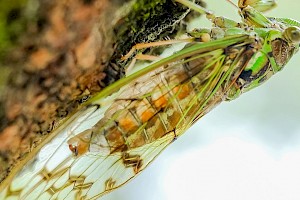









Biological Sciences and Biochemistry study life; Physics and Chemistry, matter; Geology and Environmental Sciences, the Earth and its care; Mathematics, Statistics and Data Science, numbers and information. Data Science overlaps with the technology and computer science degrees in Colombia, and Biochemistry with health ones.
Where to study sciences in Colombia
 Universidad Antonio Nariño (UAN)Bogotá · PrivateBiochemistryBiotechnologyMathematicsBiological SciencesStatisticsForensic ScienceChemical EngineeringPhysicsData ScienceGeography
 Universidad de Bogotá Jorge Tadeo Lozano (UTadeo)Bogotá · PrivateBiological SciencesChemical EngineeringData ScienceEnvironmental Sciences
 Universidad de Investigación y Desarrollo (UDI)Bucaramanga · PrivateForensic SciencePhysicsGeologyData Science
 Fundación Universitaria Internacional del Trópico Americano (Unitrópico)Yopal · PublicBiological SciencesGeologyEnvironmental Sciences
 Universidad del Rosario (UR)Bogotá · PrivateBiological SciencesData ScienceEnvironmental Sciences
 Universidad Icesi (ICESI)Santiago de Cali · PrivateBiochemistryBiological SciencesData Science
 Universidad Industrial de Santander (UIS)Bucaramanga · PublicChemical EngineeringData ScienceGeology
 Colegio Mayor de AntioquiaMedellín · PublicEnvironmental SciencesBiochemistry
How to choose between them
Look at what you do without anyone asking you to: if you stay watching nature documentaries, if you take things apart to see how they work, if you like finding patterns in numbers.
Then ask yourself what attracts you most: living things, matter, the Earth or data. If you're interested in the environment, compare Geology with Environmental Sciences; if you prefer the abstract, look at Mathematics or Statistics.
If you're torn between Statistics and Data Science, read both profiles and compare which subjects change: one focuses on analyzing information to draw conclusions and the other adds algorithms and machines that learn. The career test helps you see which fits your tastes best.
To read before choosing




Frequently asked questions
How long do science degrees last in Colombia?
Geology, Biochemistry and Chemical Engineering are among the longest; Criminalistics is among the shortest, and Biological Sciences, Mathematics, Physics or Statistics are in the middle.
How do I verify that a science undergraduate degree is approved?
Look it up in the SNIES, the Ministry of National Education system that lists programs with qualified registration.
What counts for admission to a science undergraduate degree?
Many universities take into account Saber 11 results, the test administered by the ICFES, and some add their own test or interview. Confirm this on each program's page.
In which science degrees is mathematics most important?
In Mathematics, Physics and Statistics it is at the center of the curriculum; in Biological Sciences or Geology it is just another tool. Check the profile to see what subjects each one includes.
What should I do if I like several sciences at once?
Compare similar profiles, such as Chemistry and Biochemistry, and look at how their programs differ.