
Health degrees
Medicine, nursing, psychology, nutrition, kinesiology, veterinary medicine and several more: health degrees (also called health sciences) each take care of something different: the body, the mind, food, or animals.
If you are always the person others tell their problems to, if you are interested in how the body works, or if you like taking care of others (people or animals), there are studies that start from that.
What health degrees have in common
Almost all of them mix a lot of science (biology, chemistry, anatomy, psychology) with hands-on practice close to people; many include supervised internships in clinics, hospitals, or care centers.
There are degrees that care for patients directly and others that work behind the scenes, in laboratories, in service management, or in prevention. Titles and length vary from one institution to another and from one country to another, and several health careers require a license or registration specific to each country in order to practice. Check the requirements of the program and the country where you want to study.
The health degrees
Medicine and specialties
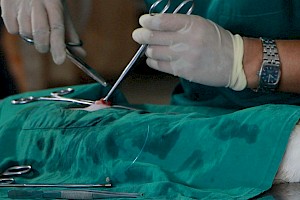
Diagnosing, treating, and operating: Medicine is the foundation, and from there specialties emerge such as dermatology, psychiatry, or plastic surgery. There are also dentistry and radiology, which produces the images of the body that doctors order.






Mental health and behavior
Understanding how people think, feel, and behave and supporting them: Psychology and its branches, learning support, addiction prevention, music used as therapy, and support for people with illness or disability.






Care and rehabilitation
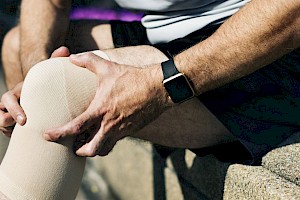
Being by a person’s side during their recovery or daily life: caring for patients, assisting in the operating room, rehabilitating through movement, supporting older adults or babies and children, or teaching physical activity.
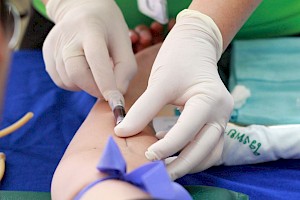






Science, food, and animals
Health seen from the laboratory, medications, food, animals, and the organization of services: in several of these degrees you work more with samples, data, and processes than with patients.






Where to study health
 Universidad de Chile (UChile)Santiago · PublicBiotechnologyBiochemistryPharmacyVeterinary MedicineNursingOccupational TherapyPhysiotherapyMedicineNutritionRadiologyPsychologyDentistryHealth Services Administration
 Universidad del Salvador (USal)Ciudad Autónoma de Buenos Aires · PrivatePsychologyNursingOccupational TherapyMusic TherapyNutritionEducational PsychologyRadiologyMedicineDentistryMental Health Support WorkerAddiction PreventionVeterinary MedicinePhysiotherapy
 Universidad CEU San Pablo (CEU)Madrid · PrivateBiotechnologyNursingPharmacyPhysiotherapyMedicineNutritionDentistryPsychologyVeterinary MedicineGeneticsBiochemistryForensic Psychology
 Universidad MaimónidesCiudad Autónoma de Buenos Aires · PrivatePsychologyGeriatricsBiochemistryNursingPharmacySurgical TechnologyPhysiotherapyMedicineMusic TherapyNutritionDentistryRadiology
 Universidad Nacional de La Plata (UNLP)La Plata · PublicNursingOccupational TherapyNutritionSurgical TechnologyPharmacyBiochemistryBiotechnologyMedicineVeterinary MedicinePhysical EducationDentistryPsychology
 Universidad Austral de Chile (UACh)Valdivia · PrivatePsychologyBiochemistryNursingPhysiotherapyMedicineVeterinary MedicineDentistryPhysical EducationPharmacySurgical TechnologyOccupational Therapy
 Universidad Autónoma de Aguascalientes (UAA)Aguascalientes · PublicBiotechnologyVeterinary MedicineBiochemistryNursingNutritionPhysiotherapyMedicineEducational PsychologyPsychologyPharmacyDentistry
 Universidad Autónoma de Baja California (UABC)Mexicali · PublicEducational PsychologyPhysical EducationPsychologyNursingVeterinary MedicineDentistryMedicinePharmacyBiotechnologyNutrition
How to choose between them
Pay attention to what you do without anyone asking you to: if you are the one who helps when someone gets hurt, if you stay listening to a friend with a problem, if you like cooking and knowing what your family eats, if you take care of your pet, or if you enjoy biology and chemistry classes. Each of those habits points to a different way of working in health.
Then ask yourself what you're comfortable with: working face to face with people all day, working in a lab, or something in between. Someone who enjoys science but prefers not to treat patients might feel better in Biochemistry or Pharmacy than in a direct-care degree.
If you're torn between Psychology and Medicine, for example, look at what subjects each one includes and what they require for admission. The career test helps you see which one fits better with what you enjoy doing.
To read before choosing
Frequently asked questions
Do I need to get very good grades in science to study health?
It helps to have a foundation in biology and chemistry, because the first subjects are usually based on that. Each institution sets its own admission requirements, so check those of the program you're interested in.
How long do health degrees last?
Medicine is one of the longest in the field, and Dentistry, Pharmacy or Veterinary Medicine also take quite a while; Surgical Nursing, on the other hand, is one of the shortest. The exact length depends on the institution and the country: confirm it in the program you choose.
Are there short or technical health degrees?
Yes. Some, such as Therapeutic Companion, Music Therapy or Early Stimulation, are tertiary degrees; check their profile for the type of degree and the length.
Do I have to do internships in hospitals or care centers?
In many people-care degrees, yes: they are part of the curriculum and are done under supervision. How and when they are organized depends on each institution.
Can I work in health without being a doctor?
Yes. There are degrees in caregiving, rehabilitation, mental health, laboratory work, nutrition, animals and service management, each with its own study path.
Is a health degree valid in any country?
Not always. Many health careers need the degree to be recognized or licensed in the country where you want to practice. Before deciding where to study, check how it works in the country you're interested in.