
Health degrees in Mexico
Medicine, Nursing, Psychology, Nutrition, Dentistry, Physiotherapy, Biotechnology and several more: they are health degrees you can study in Mexico.
If you're the one they ask for help when someone falls at recess, if you're interested in how the body works or if you take care of your pet like a family member, there are degrees that start from that.
How health is studied in Mexico
There are health degrees in public and private institutions in almost the whole country: Ciudad de México, Puebla, Aguascalientes, Hermosillo, Chihuahua, Campeche or Tuxtla Gutiérrez, among other cities. They combine science (biology, chemistry, anatomy) with hands-on practice with people, and many include supervised internships in clinics or hospitals.
To practice many of these careers you need the cédula profesional, processed by the Secretaría de Educación Pública, and in many health degrees you also complete servicio social at the end. If the school is private, check that the program has RVOE.
The health degrees in Mexico
Among those studied in Mexico are Medicine, Nursing, Psychology, Biotechnology and Geriatrics.





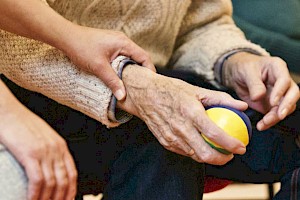


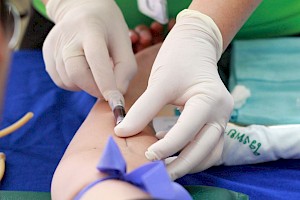




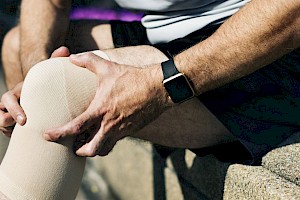

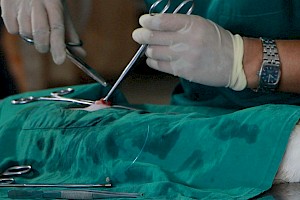
Not all of them work directly with patients: Biotechnology, Biochemistry and Pharmacy spend more time in the laboratory, Health Services Administration organizes clinics and hospitals, and Physical Education teaches how to move better. A hospital brings together doctors, nurses, nutritionists, psychologists and technicians who depend on each other. Biotechnology and Biochemistry overlap with the science degrees in Mexico, and Psychopedagogy with those in education.
Where to study health in Mexico
 Universidad Autónoma de Aguascalientes (UAA)Aguascalientes · PublicBiotechnologyVeterinary MedicineBiochemistryNursingNutritionPhysiotherapyMedicineEducational PsychologyPsychologyPharmacyDentistry
 Universidad Autónoma de Baja California (UABC)Mexicali · PublicEducational PsychologyPhysical EducationPsychologyNursingVeterinary MedicineDentistryMedicinePharmacyBiotechnologyNutrition
 Universidad Autónoma de Campeche (UAC)Campeche · PublicDentistryBiochemistryNursingPhysiotherapyGeriatricsNutritionPsychologyMedicineVeterinary MedicinePharmacy
 Universidad Autónoma de Chihuahua (UACH)Chihuahua · PublicPhysical EducationNursingNutritionMedicinePhysiotherapyBiotechnologyVeterinary MedicinePsychologyDentistry
 Universidad Autónoma de Ciudad Juárez (UACJ)Ciudad Juárez · PublicNursingPhysical EducationMedicineNutritionGeriatricsPharmacyVeterinary MedicineBiotechnologyPsychology
 Universidad Cuauhtémoc Aguascalientes (UC)Aguascalientes · PrivateDentistryPhysiotherapyMedicineNutritionPsychologyNursing
 Universidad Salazar Tuxtla (IESCH)Tuxtla Gutiérrez · PrivateNursingMedicineDentistryPsychologyPharmacyPhysical Education
 Universidad Tecnológica de México (UNITEC)Ciudad de México · PrivateMedicineNursingNutritionPhysiotherapyDentistryPsychology
How to choose between them
Notice what you do without anyone asking you to: if you're the one who knows where the first-aid kit is in your house, if you stay listening to a friend with a problem, if you like to cook or if biology and chemistry classes are the ones that feel the shortest to you.
Then think about the pace. Some degrees involve on-call shifts, long shifts and a lot of pressure; in others the schedule depends on where you work. If you like science but prefer not to have patients, perhaps Biochemistry or Pharmacy may suit you better than a direct-care degree.
If you're torn between Nutrition and Psychology, open both profiles and compare what you study; then see which is closer to you. The career test shows you which one matches your answers.
To read before choosing



Frequently asked questions
What do you need to get into Medicine in Mexico?
Each institution defines its admission process. Many require an entrance exam, their own or from Ceneval, in addition to the high school certificate. Check the call for applications for each program.
How long do health degrees last in Mexico?
Medicine is the longest; Dentistry, Veterinary, Pharmacy and Biochemistry follow; Nursing, Psychology and Physiotherapy are in the middle, and Nutrition or Physical Education take less time. On top of that, many include social service.
What is the professional license?
It is the document that allows you to practice a career in Mexico once you have graduated. It is processed by the SEP.
Which high school subjects will help me study health?
Biology and chemistry, because the first subjects in Medicine, Nutrition or Dentistry build on that.
What if blood bothers me?
You can go for Psychology, Nutrition or Biotechnology. Check the profile before ruling out a degree.