
Degrees with a future
A degree with a future is one in which there is expected to be work for those who study it a few years from now. The ones mentioned most are in technology, environment, and health, but there are also hands-on trades that are still expected to be needed.
If you like building things, understanding how devices work, caring for others, cooking, or designing, there are studies that start from there. None of them guarantees you a job: what does change is how well you know how to use what you learn.
What degrees with a future have in common
Technology, sustainability, and health are often named as growing fields, and many of these degrees are in them. But which ones are most in demand depends on the country and changes over the years: what is highly sought after today may stop being sought after, and vice versa.
That's why it's a good idea to look at your country's official data before deciding:
- Colombia: Observatorio Laboral para la Educación, from the Ministerio de Educación Nacional, with graduates' earnings and social security contributions for each program.
- Mexico: Observatorio Laboral, from the Secretaría del Trabajo y Previsión Social, with employment by degree.
- Chile: Mi Futuro, from the Ministerio de Educación, with employability and earnings by degree.
- Spain: the labor market reports from the Observatorio de las Ocupaciones of the SEPE.
Another thing comes up again and again across many fields: the tool usually changes faster than the foundation. Programs, machines, and platforms are renewed, while understanding the underlying concepts and solving problems keeps being useful. That's why knowing how to learn new things often matters more than mastering a single tool.
Degrees with a future
Technology, data, and artificial intelligence
Programming, analyzing data, and making machines work. With tools that write part of the code or do calculations on their own, interpreting results and deciding what to do with them could matter more, not just building the model. Includes Artificial Intelligence, Data Science and Software Engineering.









Energy, environment, and infrastructure
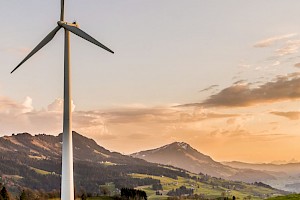
For those who wonder where energy comes from, how water is cared for, or how roads, water works, and boats are built. Environmental care and energy efficiency are often mentioned among the growing fields; your country's observatory shows whether that is happening where you live.





Health
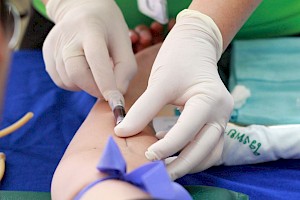
Caring for people, understanding the body, or researching with living organisms. With telemedicine and medical data, part of the work could shift toward interpreting information. Among them, Medicine and Nursing.



Education
With online learning platforms, teaching could also include designing how people learn, not just giving classes.

Trades and hands-on work
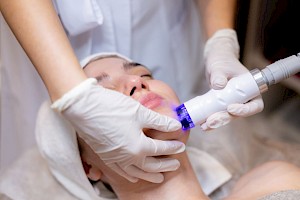
Styling hair, caring for skin, cooking, baking, designing clothes or designing vehicles: jobs where handmade work and personal attention are central. Several of these degrees are studied at institutes and not always at the university.






Where to study degrees with a future
Many universities and institutes offer several of these degrees at the same time.
 Universidad Autónoma de Ciudad Juárez (UACJ)Ciudad Juárez · Public
 Universidad Autónoma de Baja California (UABC)Mexicali · Public
 Universidad Politécnica de Madrid (UPM)Madrid · Public
 Universidad Antonio Nariño (UAN)Bogotá · Private
 Fundación Universitaria del Área Andina (FUAA)Bogotá · Private
 Universidad de Bogotá Jorge Tadeo Lozano (UTadeo)Bogotá · Private
 Universidad Autónoma de Aguascalientes (UAA)Aguascalientes · Public
 Universidad CEU San Pablo (CEU)Madrid · Private
How to choose among them
Start from what you do when no one asks you to: if you take apart devices, if you help your friends with their phone or with a program, if you cook, if you do makeup or style someone's hair, if you care about the environment or helping someone who feels unwell. That clue says more than the name of a trendy degree.
Then check your country's observatory and compare the subjects and requirements of each program. A degree that bores you costs years of study, even if its job prospects are spoken of highly. The career test shows you which ones your answers fit best with.
To read before choosing



Frequently asked questions
What is a degree with a future?
A degree in which work is expected to continue to be available for those who study it. It is an expectation, not a guarantee, and it changes by country and time.
How do I know which degrees have the best job prospects in my country?
Check your country's official observatory: the Observatorio Laboral para la Educación in Colombia, the Observatorio Laboral in Mexico, Mi Futuro in Chile or the reports from the SEPE in Spain.
Is artificial intelligence going to replace these degrees?
Nobody knows for sure. What is expected is that it will change the tasks: tools could do part of the repetitive work, and interpreting the results, judging whether they make sense, and deciding what to do with them could matter more.
Do you need to go to university to have a job with a future?
Not always. Degrees like Hairdressing, Cosmetology or Pastry are usually studied with tertiary or private qualifications, often in institutes. Others, like Medicine or engineering, require university. Check the qualification for each program.
What skills help in any degree?
Understanding the underlying concepts, solving problems, working with other people, and learning new tools when the old ones become outdated. You can practice them starting now, at school and in what you do on your own.